

Pellitory-of-the-wall
Scientific Name: Parietaria officinalis L.
Family: Urticaceae
MORPHOLOGY
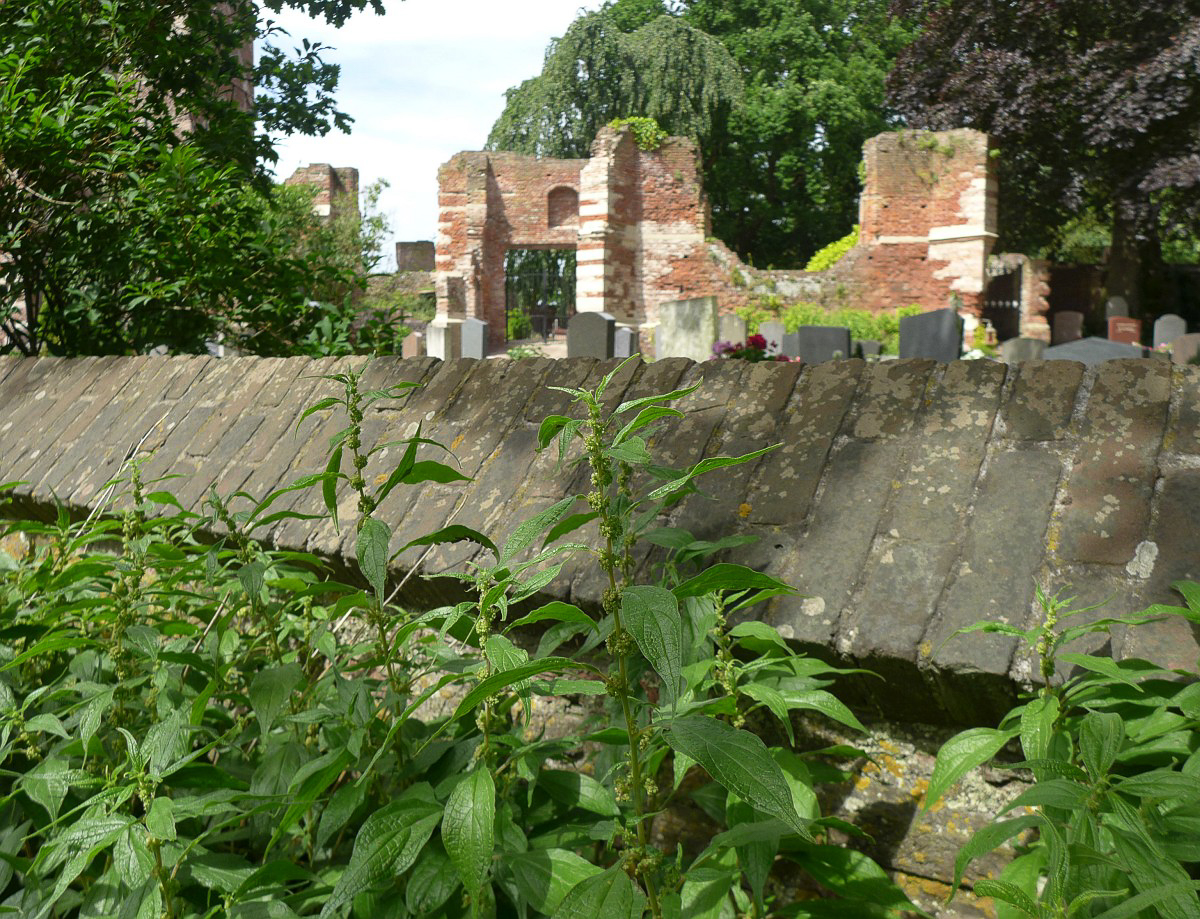
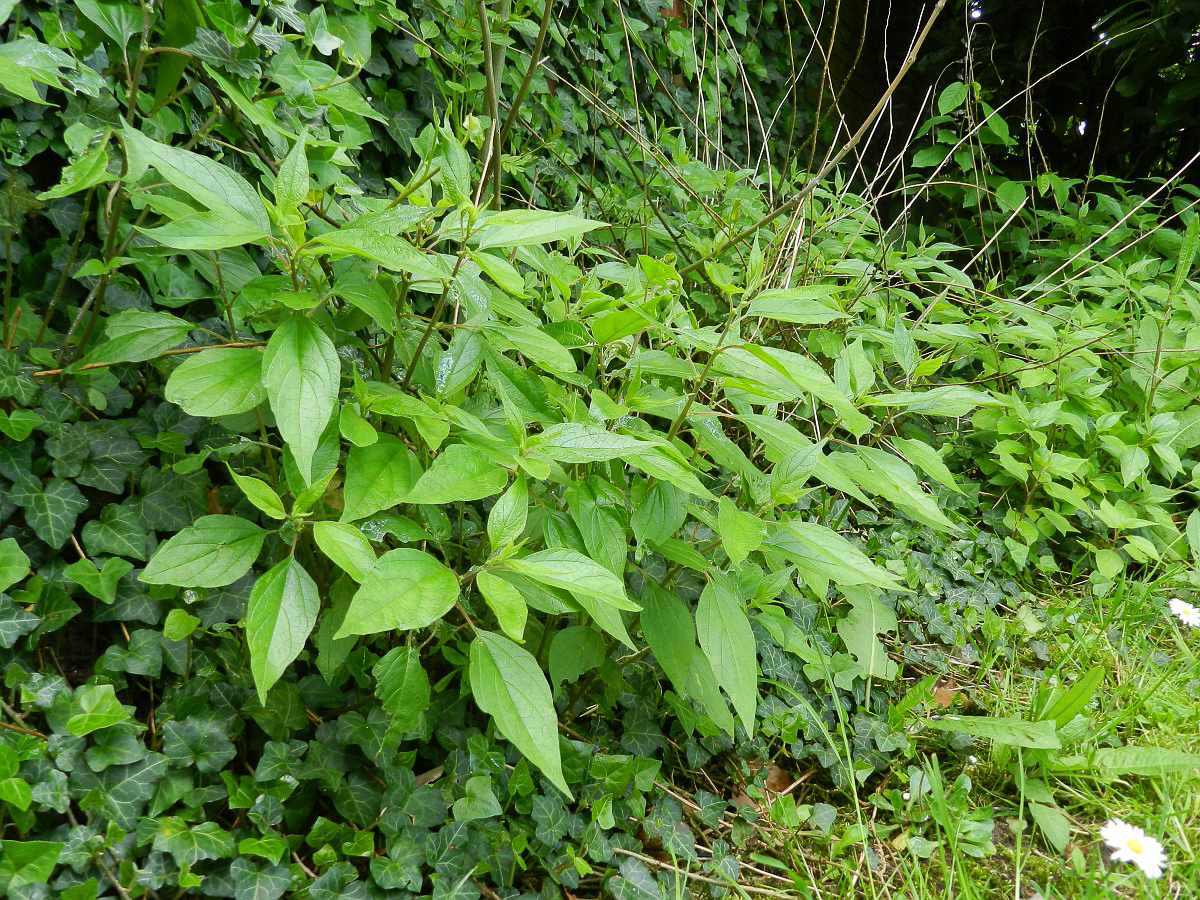
Habit and dimensions: perennial herb with elongated rhizome, reaching heights of 20-80(100) cm.
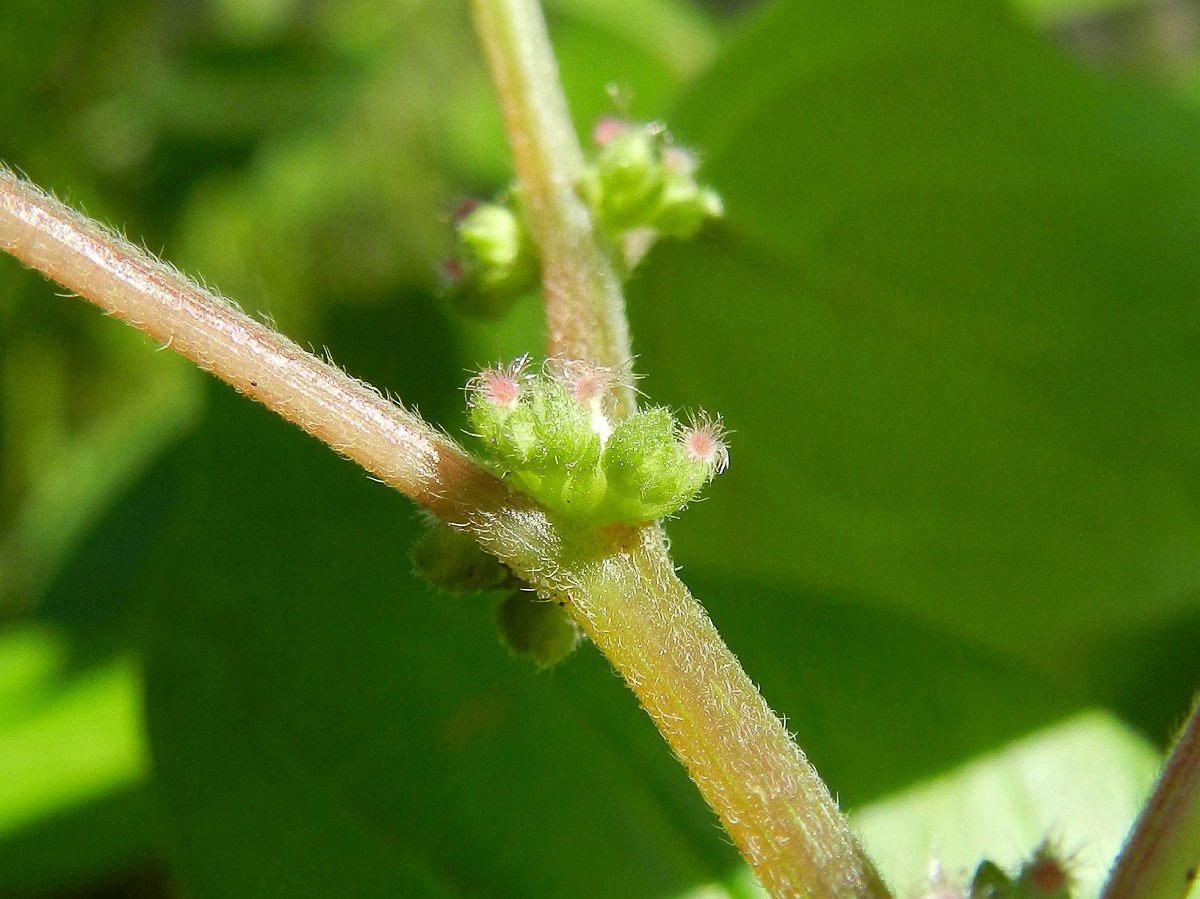
Stem: erect and fleshy cylindrical stems, fragile, often reddish, sometimes lignified at the base, simple or slightly branched, with abundant non-stinging hairs.
Leaves: alternate and spiral leaves (2-4 x 5-10 cm), without stipules, long-petiolate, elliptic-lanceolate, with entire margins; the blade long-acuminate at the apex and cuneate-attenuate at the base, with transparent veins and with the upper surface subglabrous, the lower one with recurved hairs especially on the veins, causing the plant to easily adhere to hands and clothing.
Flowers: polygamous inflorescence in dense greenish axillary clusters, composed of a few male and female flowers (generally one at the center of the cluster) and many hermaphrodite flowers, surrounded by 4 subequal sepals, free involucral bracts, narrow at the base, and a pubescent, 4-lobed perianth (lacking a corolla), slightly or non-increasing in fruiting in hermaphrodite flowers, up to 2.75-3 mm. Blooms from April to October.
Fruits and seeds: the fruit is a dike composed of an ovoid achene of about 1.2-1.8 mm, shiny black, enclosed in the persistent perianth.
DISTRIBUTION AND HABITAT
Present throughout Italy except the major islands and Calabria, in woods, among ruins, and uncultivated areas between 0 and 900 m.
USE
Species of Parietaria contain active ingredients such as calcium, potassium salts, mucilages, sulfur compounds, tannins, and have long been known for their diuretic and purifying properties. In fact, it has a high content of potassium salts, especially nitrate, and flavonoids which are responsible for the effects that promote water elimination through the renal system and are a useful aid in dropsy, nephritis, cystitis, edema from heart failure, and also help eliminate kidney and bladder stones. For external use, Parietaria is used as an emollient and refreshing agent on dermatitis, boils, fissures, and minor burns. Before taking any plant-derived product (medicinal or non-medicinal) for therapeutic or similar purposes, it is always advisable to consult a physician. In popular use, the young boiled leaves were commonly consumed like spinach and used to prepare stuffings, omelets, and soups.
INTERESTING FACTS
In the past, it was commonly used to clean the inside of bottles and flasks due to the stickiness of its leaves (hence the name “glass herb”). The leaves, like those of other nettles, provide nourishment to the caterpillars of Vanessa atalanta L.
Photo: licensed freely by Saxifraga and Jelle van Dijk, Rutger Barendse