
Forasacco peloso

Nome scientifico: Bromus hordeaceus L.. 

Famiglia: Poaceae     


MORFOLOGIA


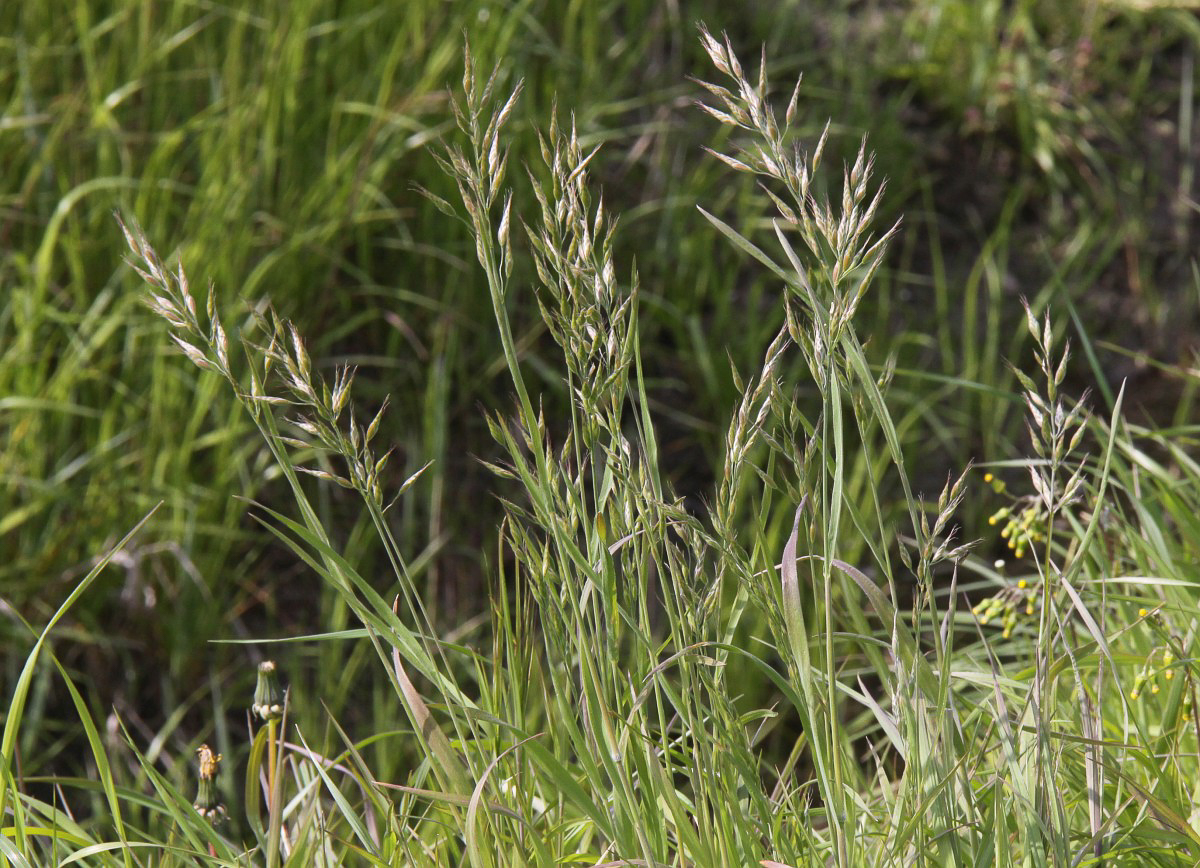
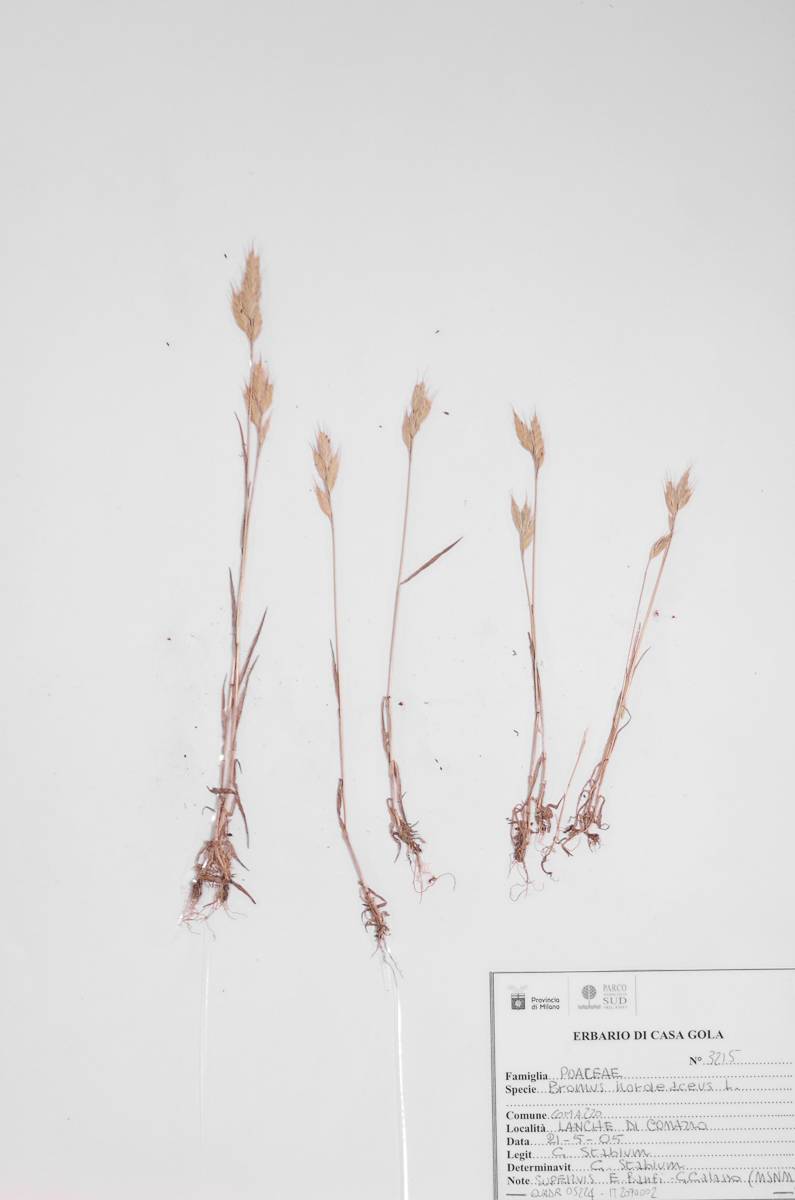
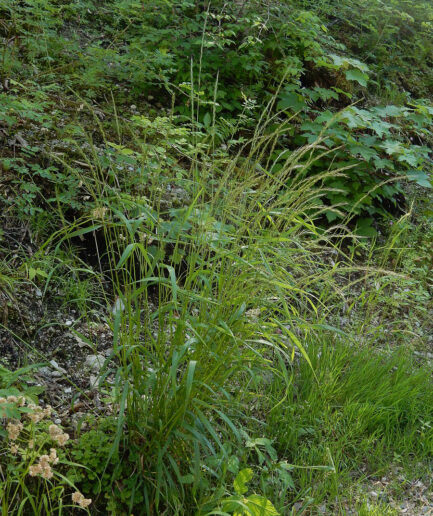
Portamento e dimensioni: piante erbacee annuali, con portamento in genere solitario-ascendente che arrivano ad una altezza di 10 – 40 cm (massimo 80 cm). 


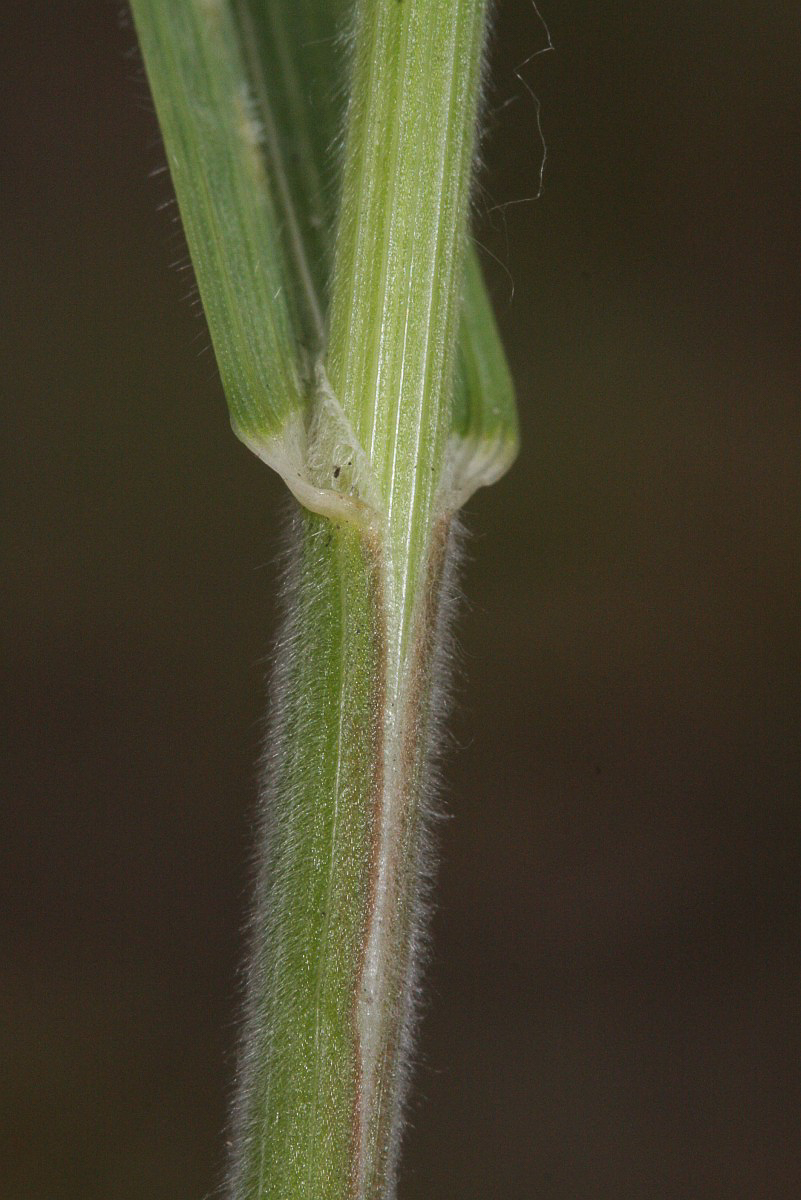
Fusto: i fusti sono cavi a sezione più o meno rotonda e sottile, alla base sono ginocchiati o anche striscianti. Nella parte apicale sono nudi con una breve pubescenza riflessa..   


Foglie: foglie disposte in modo alterno, si originano dai vari nodi. Sono composte da una guaina abbracciante il fusto, una ligula e una lamina. Le venature sono parallelinervie. Hanno forme generalmente lineari e piatte, sono morbide e la superficie è pelosa. Dimensione delle foglie: larghezza 5 – 7 mm; lunghezza 5 – 22 cm. 


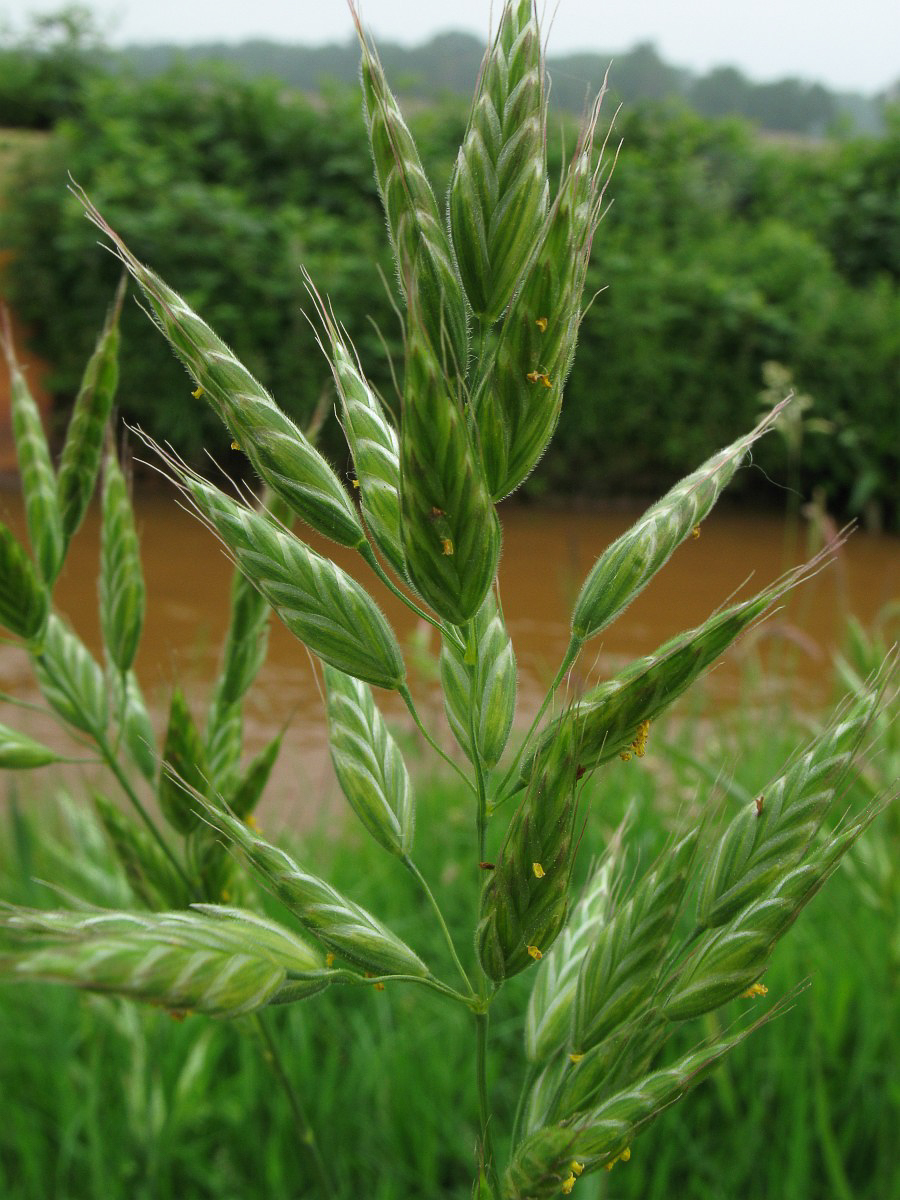
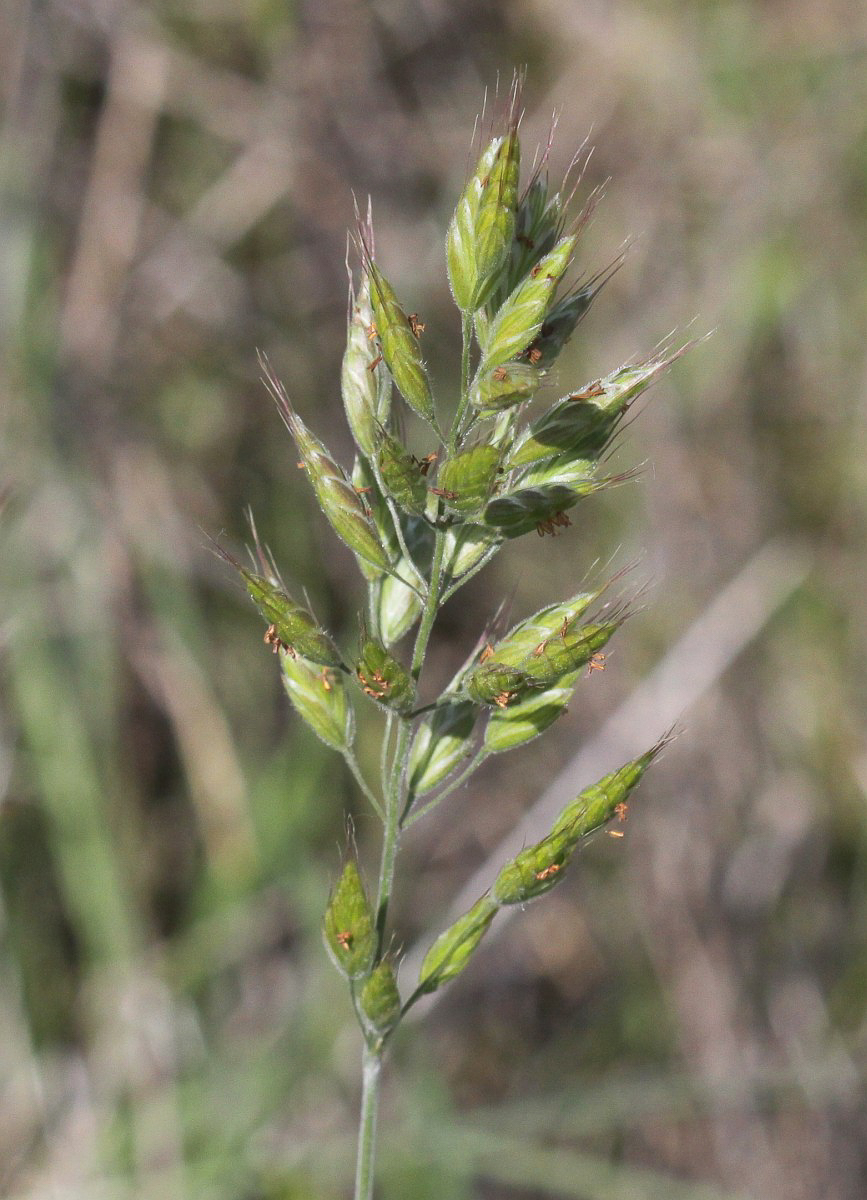
Fiori: le infiorescenze sono spighe terminali o ascellari, in genere ramificate (i rami sono ispidi di 2-3 cm) e sono formate da alcune spighette ed hanno la forma di una pannocchia densa e contratta a forma ovoide. I fiori fertili sono attinomorfi formati da 3 verticilli. Fiorisce da aprile a luglio.


Frutti e semi: i frutti sono del tipo cariosside, ossia sono dei piccoli chicchi indeiscenti colorati di scuro, con forme ovoidali, nei quali il pericarpo è formato da una sottile parete che circonda il singolo seme.


DISTRIBUZIONE E HABITAT


Diffusa in tutta Italia con numerose sottospecie presenti in zone diverse, in prati e praterie, da 0 a 2.000 m.


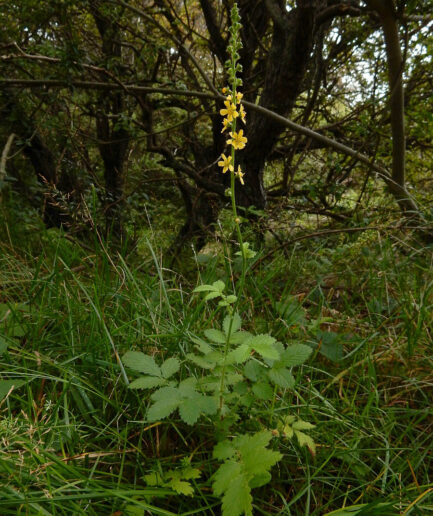
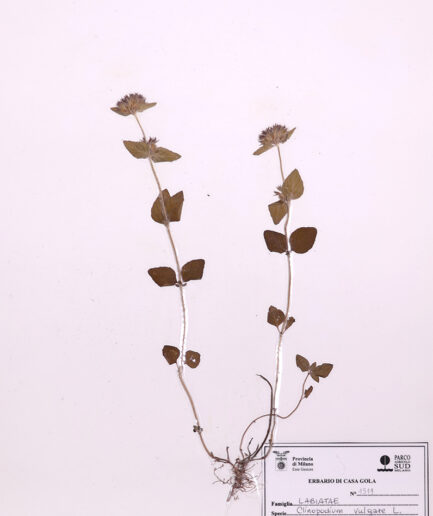
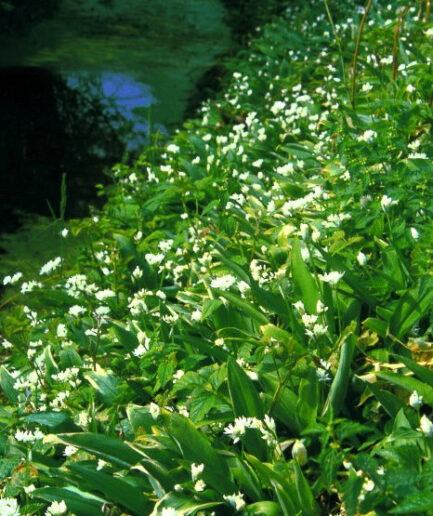
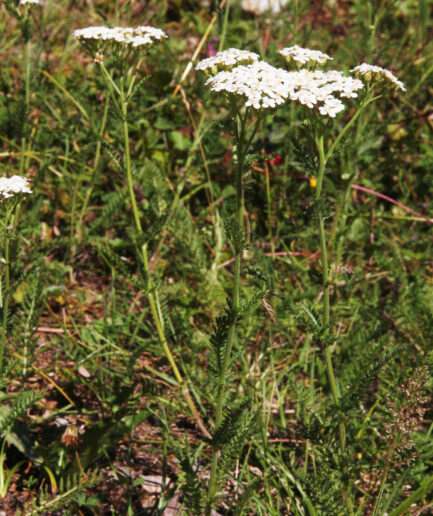
Foto: su licenza gratuita di Saxifraga e Peter Meininger, Rutger Barendse,

COD: 3215 Categoria: Tag: , ,
Famiglia

Poaceae

Specie

Bromus hordeaceus L.

Tipologia

Pianta erbacea

Habitat

Prati

Hairy Brome


Scientific name: Bromus hordeaceus L. 

Family: Poaceae


MORPHOLOGY


Habit and dimensions: Annual herbaceous plants, typically with a solitary-ascending growth habit, reaching a height of 10 – 40 cm (maximum 80 cm).


Stem: The stems are hollow with a more or less round and slender cross-section. At the base, they are often knotty or creeping. In the apical part, they are bare with a short reflexed pubescence.


Leaves: Leaves are arranged alternately, emerging from various nodes along the stem. They consist of a sheath that encloses the stem, a ligule, and a blade. The veins are parallel-veined. They typically have linear and flat shapes, are soft, and the surface is hairy. Leaf dimensions: width 5 – 7 mm; length 5 – 22 cm.


Flowers: The inflorescences are terminal or axillary spikes, usually branched (branches are 2-3 cm long), and are composed of several spikelets, forming a dense and compact ovoid-shaped panicle. The fertile flowers are actinomorphic and formed by 3 whorls. It blooms from April to July.


Fruits and Seeds: The fruits are caryopses, small dark-colored indehiscent grains, ovoid in shape, with a pericarp consisting of a thin wall surrounding the individual seed.


DISTRIBUTION AND HABITAT


Widespread throughout Italy with numerous subspecies present in various areas, in meadows and grasslands, from 0 to 2,000 m altitude.


Photo: Used under free license from Saxifraga, Peter Meininger, Rutger Barendse.
 

Famiglia

Poaceae

Specie

Bromus hordeaceus L.

Tipologia

Pianta erbacea

Habitat

Prati