
Pale persicaria
Scientific Name: Persicaria lapathifolia (L.) Delarbre
Family: Polygonaceae
MORPHOLOGY
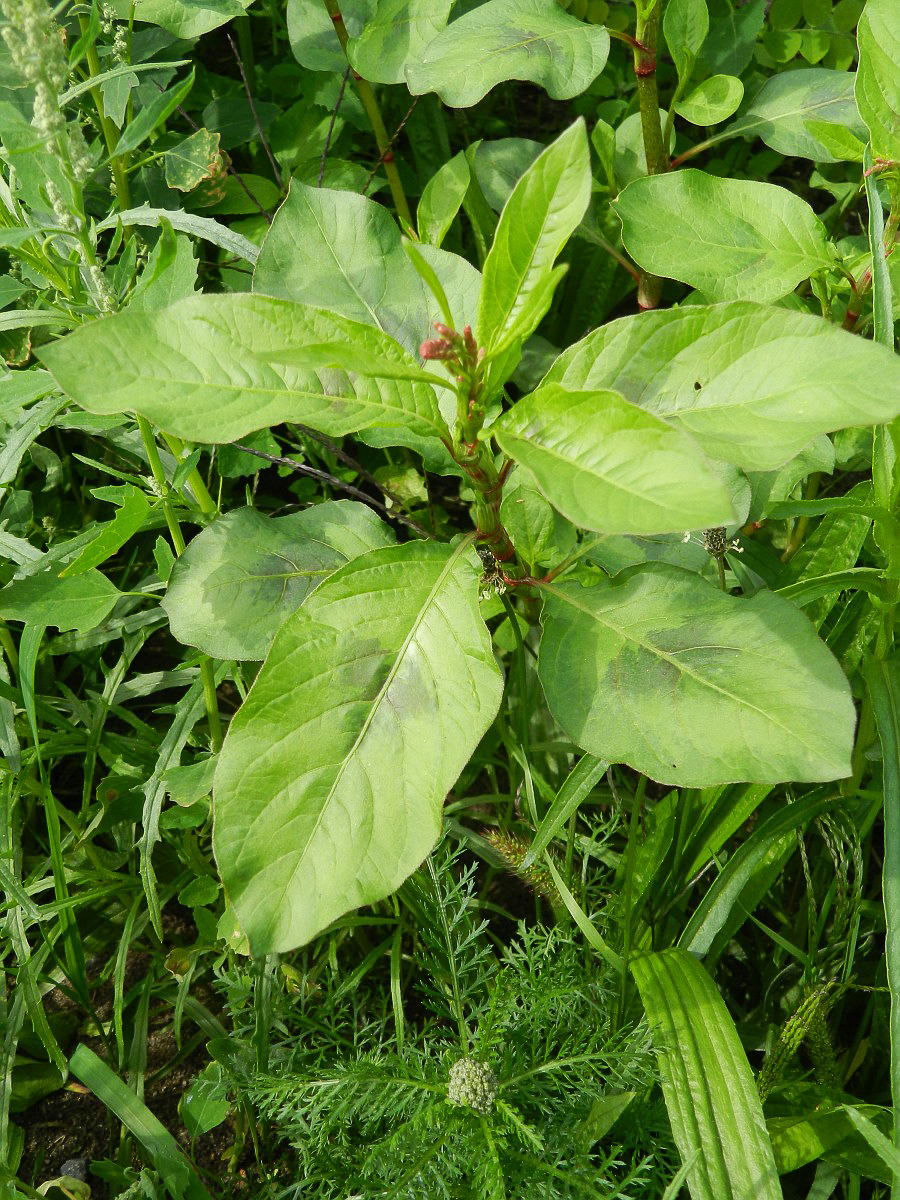
Habit and dimensions: Annual herbaceous plant, (10) 30 – 70 (90) cm tall.
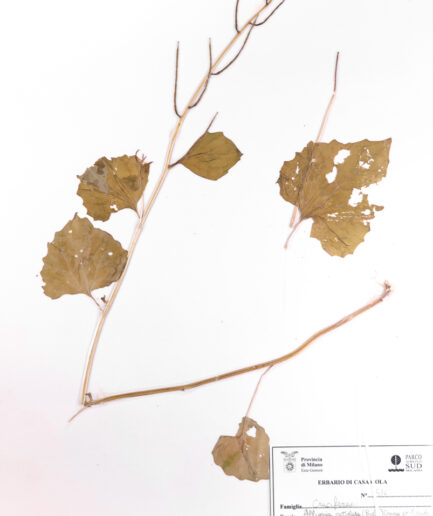
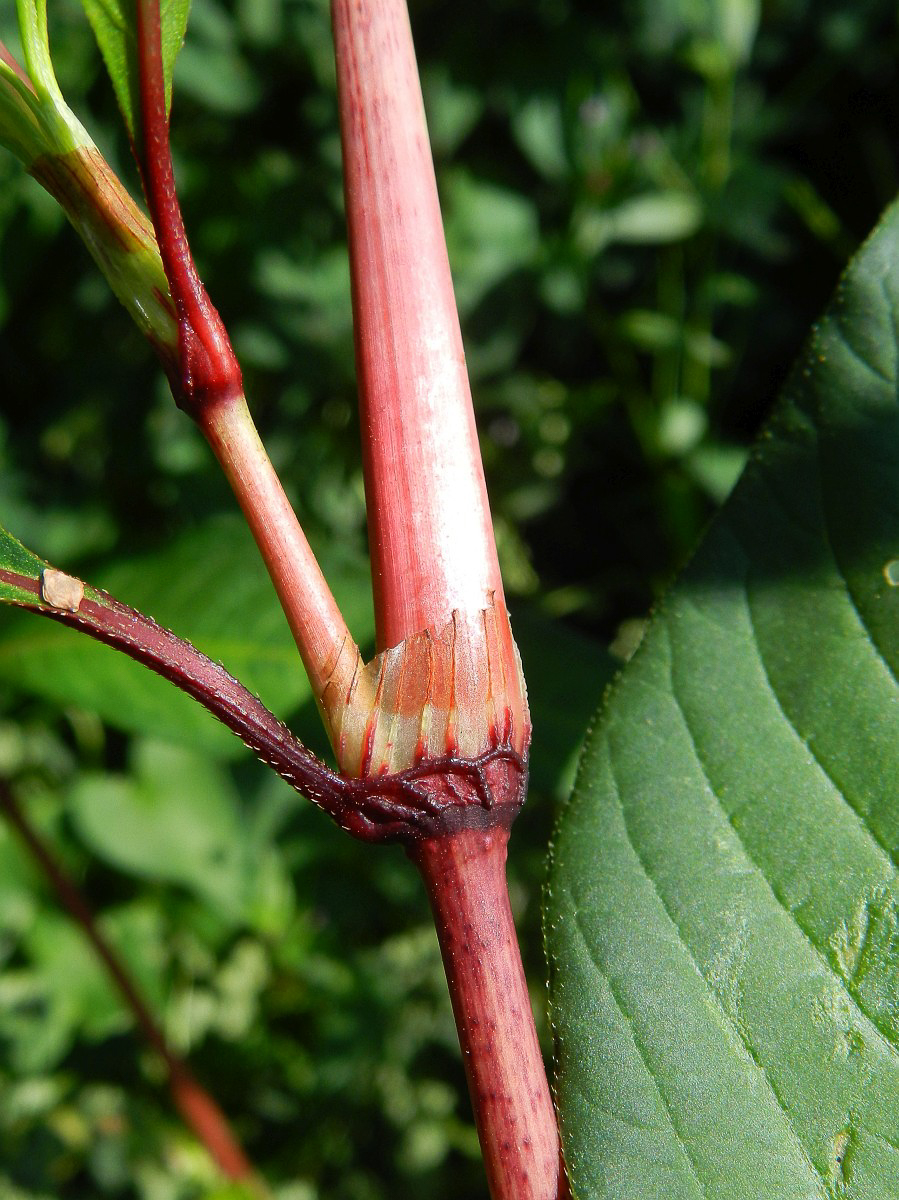
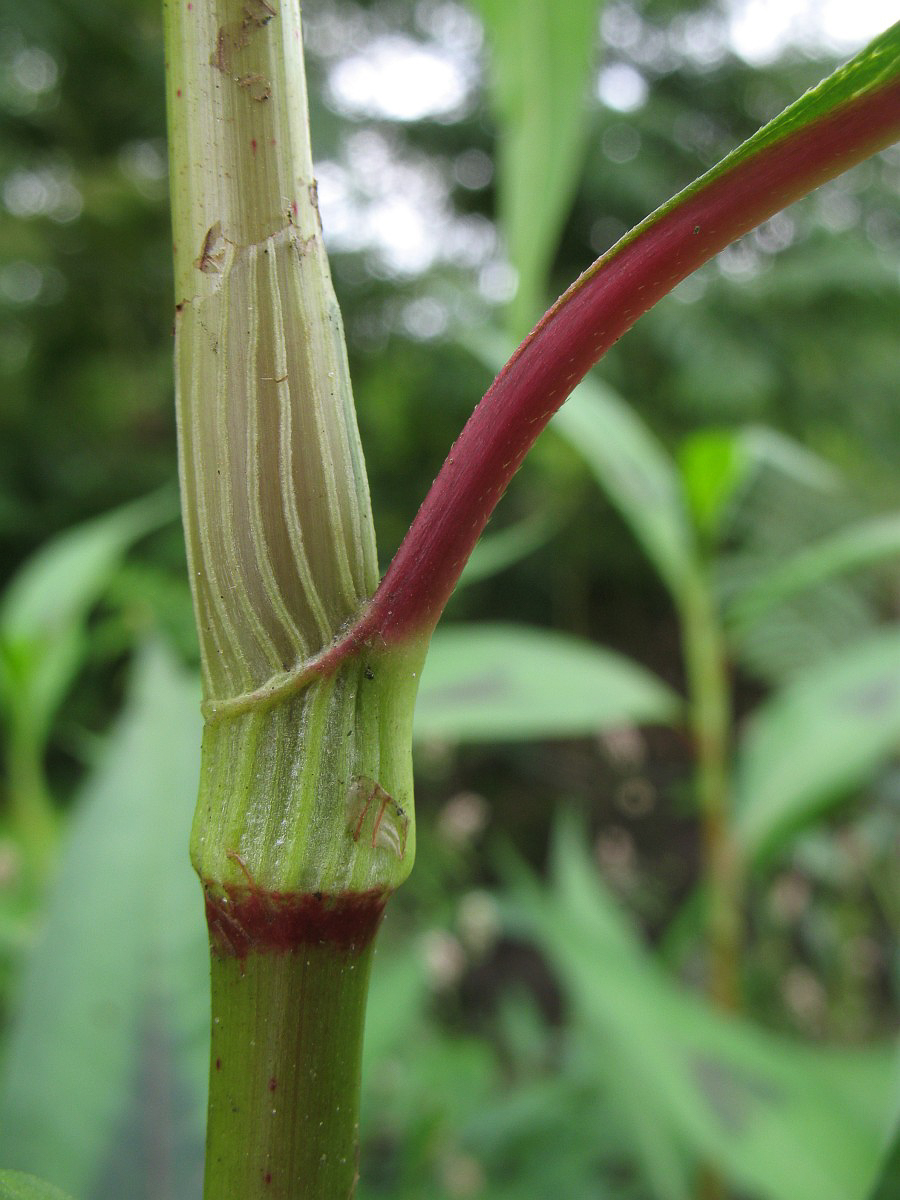
Stems: Prostrate-ascending or erect and inclined upwards, ± branched, reddish stem with swollen nodes (6mm); sheaths (ocreae) ciliate or glabrous but entire.
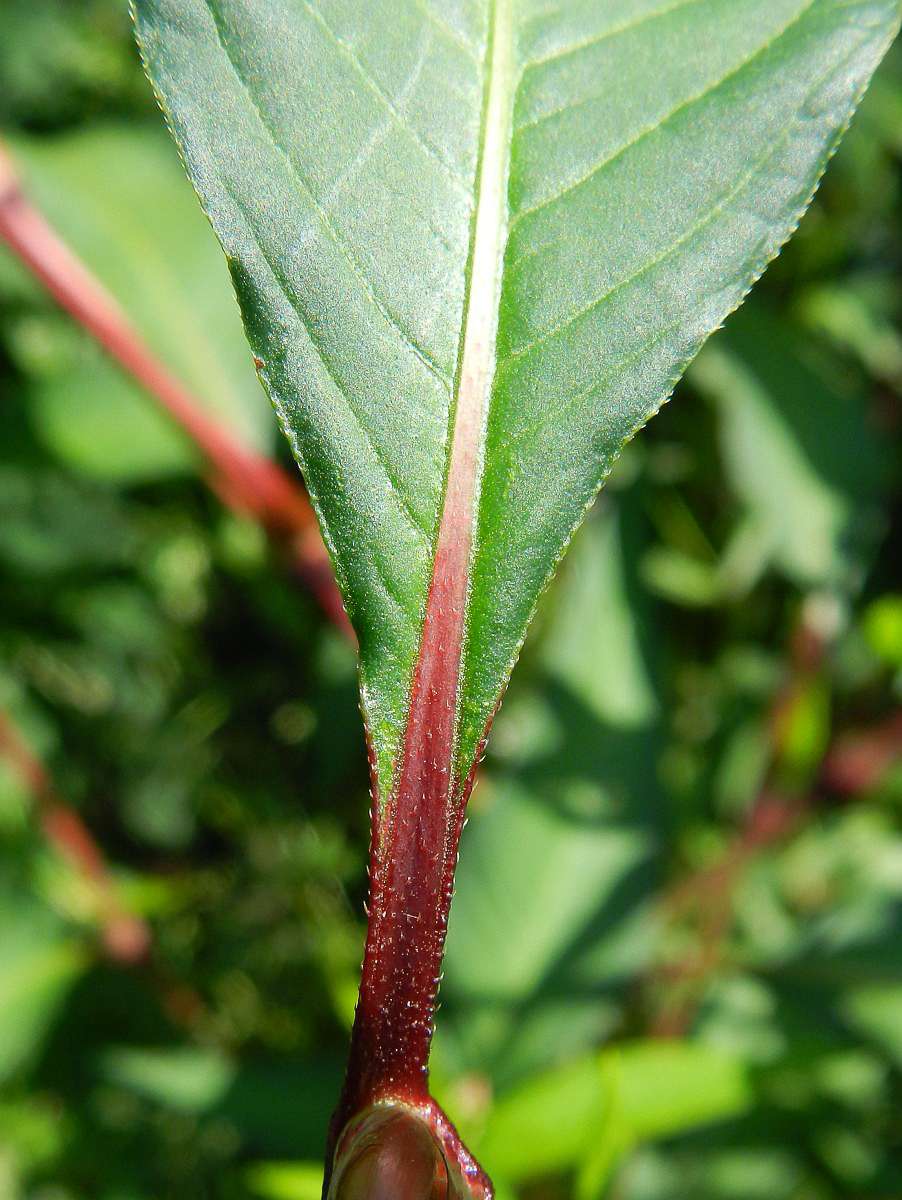
Leaves: Alternate leaves, ovate-lanceolate in shape, ± tapered at the apex (7)10 – 16(21) x (1)2 – 3,5(5) cm; blade with entire or undulate margin and almost always with an impressed V-shaped spot on the upper side which is glabrous and grooved by a well-visible midvein. The lower side slightly covered with hairs and shiny punctate glands.
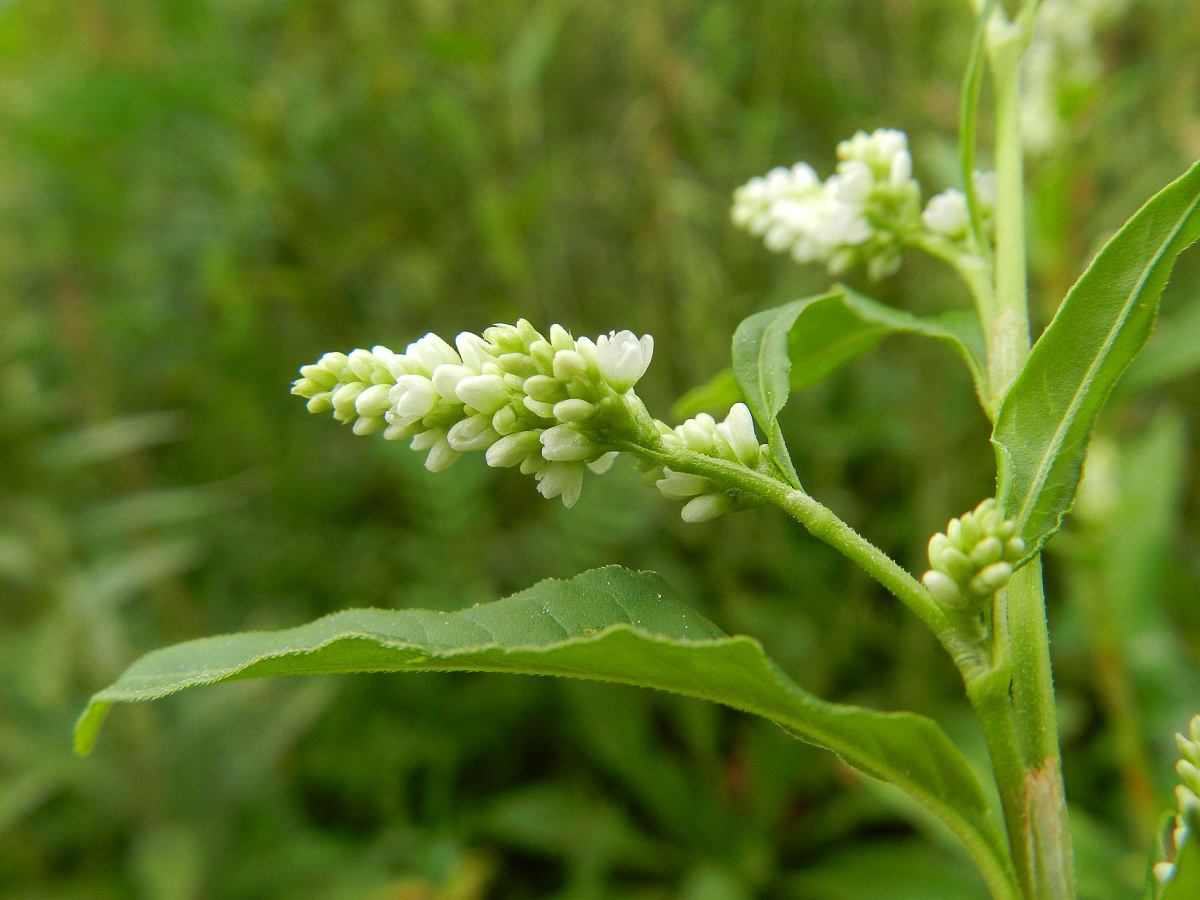
Flowers: Terminal inflorescence, pendulous, spicate, dense, cylindrical up to 7 cm long, on a peduncle of 1 – 2 cm covered with sessile glands. Perianth ranging from pink to whitish (2 mm), covered with translucent glands similar to those of the peduncle. Tepals 4 – 5 connate and with a characteristic anchor-shaped vein. Blooms from June to November.
Fruits and seeds: The fruit is a discoid or trigonous achene with concave faces, glossy black in color. The seed consists of incumbent cotyledons (embryonic radicle folds along the margin of the cotyledons).
DISTRIBUTION AND HABITAT
Present throughout Italy in ruderal environments, weeded crop fields, spring cereal fields, along ditches and riversides from 0 to 1300 m.
USE
Whole plants are used, collected and dried between July and October. They are used as diuretics, astringents, hemostatics, expectorants, cholagogues, and emmenagogues. Before taking any plant-based product (medicinal or non-medicinal) for therapeutic or similar purposes, it is always advisable to consult your doctor.
INTERESTING FACTS
Sometimes cultivated as an ornamental plant.
Photo: under the free license of Saxifraga and Rutger Barendse