
Carice ascellare

Nome scientifico: Carex remota L. 

Famiglia: Cyperaceae 


MORFOLOGIA


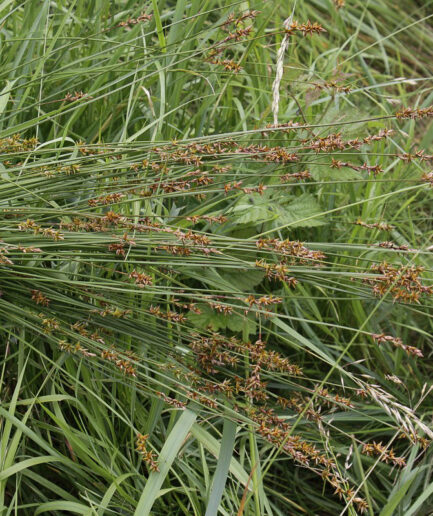
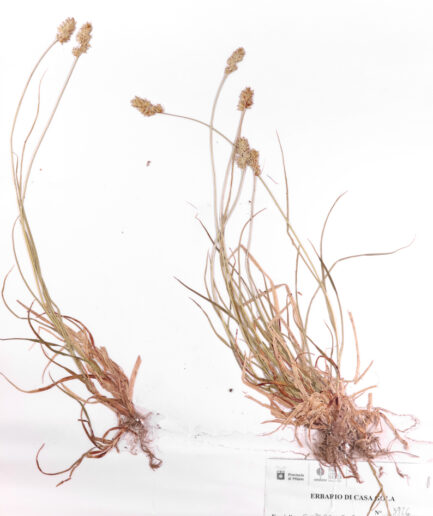
Portamento e dimensioni: pianta erbacea perenne alta 30-60 cm, con densi cespugli avvolti alla base da guaine brune.


Fusto: fusto trigono, eretto, gracile e incurvato, scabro in alto.


Foglie: foglie  molli, piane, più brevi del fusto, larghe 1,5-2 mm.


Fiori: infiorescenza espansa ed allungata lunga 4-15 cm, composta da molte spighette inserite nella parte superiore, le inferiori molto distanziate; talvolta l’infiorescenza può risultare contratta ed abbreviata. Spighe ermafrodite ovoidi 5-6 mm, di colore verde-giallastro con fiori inferiori maschili e fiori superiori femminili. Glume ovali, acute, verdastre o ialine con vena centrale verde.  Fiorisce tra aprile e luglio.


Frutti e semi: i frutti sono pseudanteci (otricelli) di 3-3,5 x 1,3 mm, ovali, piano-convessi con 3-5 nervi nella faccia interna e 5-8 nella faccia esterna convessa, di colore giallo-brunastro, con becco di 0,7-0,8 mm, scabro, diviso in 2 lacinie. Acheni di 1,4-1,6 x 1-1,1 mm, obovati o ellittici, piano-convessi o biconvessi, bruni.


DISTRIBUZIONE E HABITAT


Presente in tutta Italia, un tempo comune, oggi rara. Cresce nei boschi umidi, soprattutto frassineti ma anche boscaglie di Alnus glutinosa, sponde di ruscelli, in ambiente generalmente ombreggiato su suolo impregnato d’acqua. Si trova tra  0 e 1.300 m.


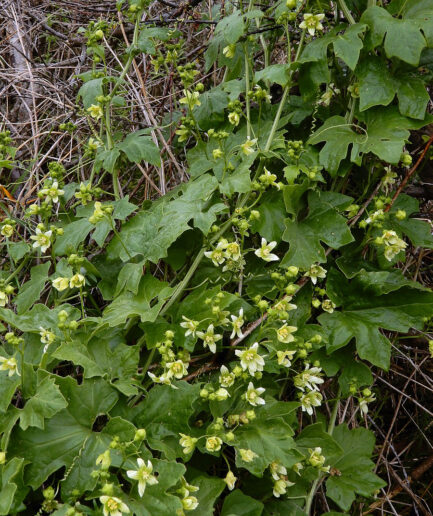
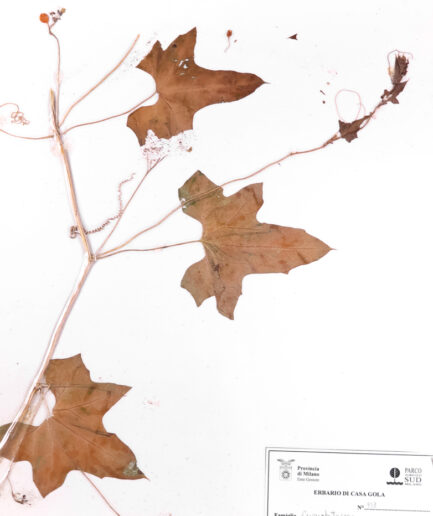
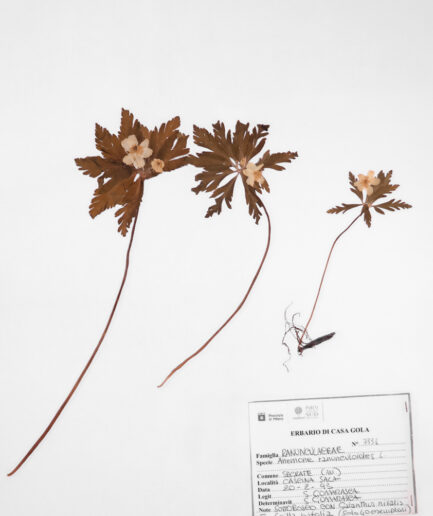
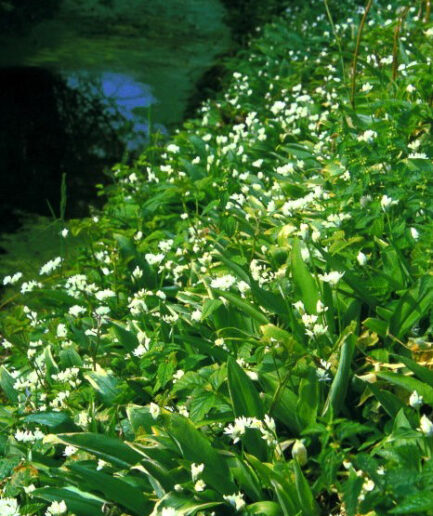
Foto: su licenza gratuita di Saxifraga e Rutger Barendse, Peter Meininger, Hans Boll

COD: 1033 Categoria: Tag: , , ,
Famiglia

Cyperaceae

Specie

Carex remota L.

Tipologia

Pianta erbacea

Habitat

Boschi e boscaglie, Rive

Remote sedge


Scientific Name: Carex remota L.

Family: Cyperaceae


MORPHOLOGY


Habit and Dimensions: Herbaceous perennial plant, 30-60 cm tall, with dense tufts wrapped at the base by brown sheaths.


Stem: Triangular stem, erect, slender, and curved, rough towards the top.


Leaves: Soft, flat leaves, shorter than the stem, 1.5-2 mm wide.


Flowers: Inflorescence expanded and elongated, 4-15 cm long, composed of many spikelets inserted at the top, the lower ones very spaced out; sometimes the inflorescence may appear contracted and abbreviated. Egg-shaped hermaphrodite spikelets, 5-6 mm, greenish-yellow with male flowers below and female flowers above. Oval, acute, greenish or translucent glumes with a green central vein. Blooms between April and July.


Fruits and Seeds: The fruits are achenes (utricle) 3-3.5 x 1.3 mm, oval, flat-convex with 3-5 veins on the inner face and 5-8 on the outer convex face, yellowish-brown, with a beak of 0.7-0.8 mm, rough, divided into 2 lobes. Achenes 1.4-1.6 x 1-1.1 mm, obovate or elliptical, flat-convex or biconvex, brown.


DISTRIBUTION AND HABITAT


Present throughout Italy, once common, now rare. It grows in moist woods, especially ash woods but also Alnus glutinosa scrub, stream banks, in generally shaded environments on waterlogged soil. Found between 0 and 1,300 m.


Photo: Under the free license of Saxifraga and Rutger Barendse, Peter Meininger, Hans Boll.

Famiglia

Cyperaceae

Specie

Carex remota L.

Tipologia

Pianta erbacea

Habitat

Boschi e boscaglie, Rive