

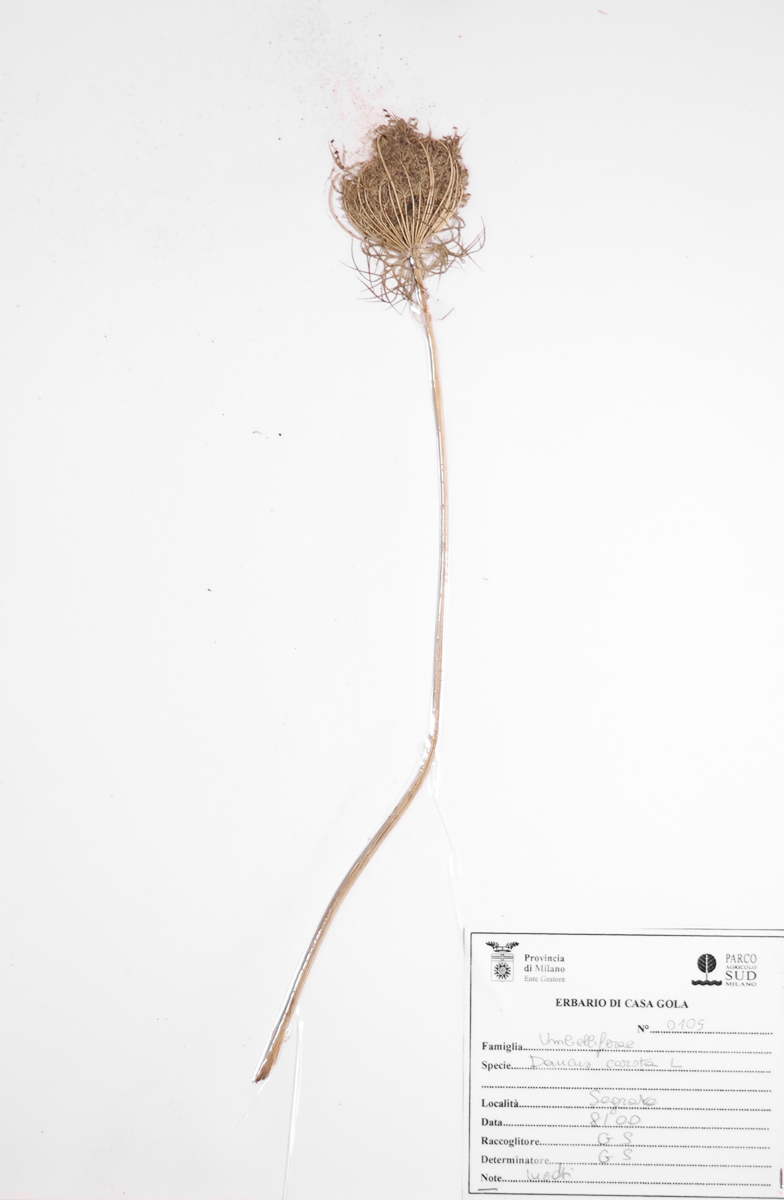


Carrot
Scientific name: Daucus carota L.
Family: Apiaceae (formerly Umbelliferae)
MORPHOLOGY
Growth habit and size: Biennial herbaceous plant with a rosette of leaves in the first year, followed by a flowering stem that can reach heights of 30-60 cm or more in the second year.
Stem: Erect, cylindrical stem, often with fine hairs.
Leaves: The basal leaves are compound, finely divided, and arranged in a rosette. Stem leaves are smaller, less divided, and alternately arranged along the stem.
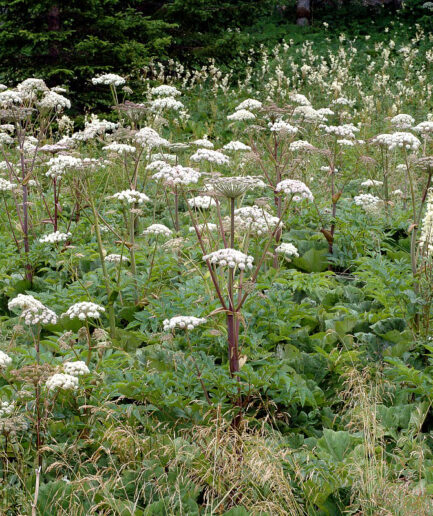
Flowers: Small white or pale pink flowers arranged in compound umbels at the end of the stem. Each umbel is composed of multiple smaller umbellets.
Fruits and seeds: The fruit is a schizocarp, commonly known as a “seed.” Each seed is ribbed and elongated, with bristles at one end.
DISTRIBUTION AND HABITAT
Carrots are native to Europe and southwestern Asia but are cultivated worldwide. They thrive in loose, well-drained soil and are commonly found in gardens, fields, and natural habitats.
USES
Carrots are primarily cultivated for their edible roots, which are rich in vitamins, minerals, and antioxidants, particularly beta-carotene, which gives them their characteristic orange color. Carrots can be eaten raw, cooked, or juiced and are a versatile ingredient in various cuisines worldwide.
In addition to their culinary uses, carrots have also been historically used for medicinal purposes. They are believed to support eye health, improve digestion, and boost immunity due to their nutritional content. Carrot seed oil, extracted from the seeds, is used in aromatherapy and skincare products for its nourishing and rejuvenating properties.
INTERESTING FACTS
The ancestor of the edible carrot has been known since ancient times. There is little historical information about the plant, but it is known that Greeks, Romans, Slavs, and Germans valued it mainly for its aromatic scent. Wild carrots are often found in meadows, pastures, and along roadsides. They have a slender white taproot with a strong carrot aroma and are sometimes called “Queen Anne’s lace.” Wild carrots are considered invasive in some regions but are also valued for their ornamental qualities and as food for wildlife.
Please note: The pharmaceutical applications and foraging uses are provided for informational purposes only. We therefore disclaim any responsibility for their use for medicinal, aesthetic, or dietary purposes.
Photo: jhenning, 6653167, LeeleeUusikuu, Pixabay