



Wild Calamint
Scientific name: Clinopodium menthifolium (Host) Merino
Family: Lamiaceae
MORPHOLOGY
Habit and dimensions: Perennial herbaceous plant with creeping stolons, ranging from 20 to 80 cm in height.
Stems: Erect, branched, woody at the base.
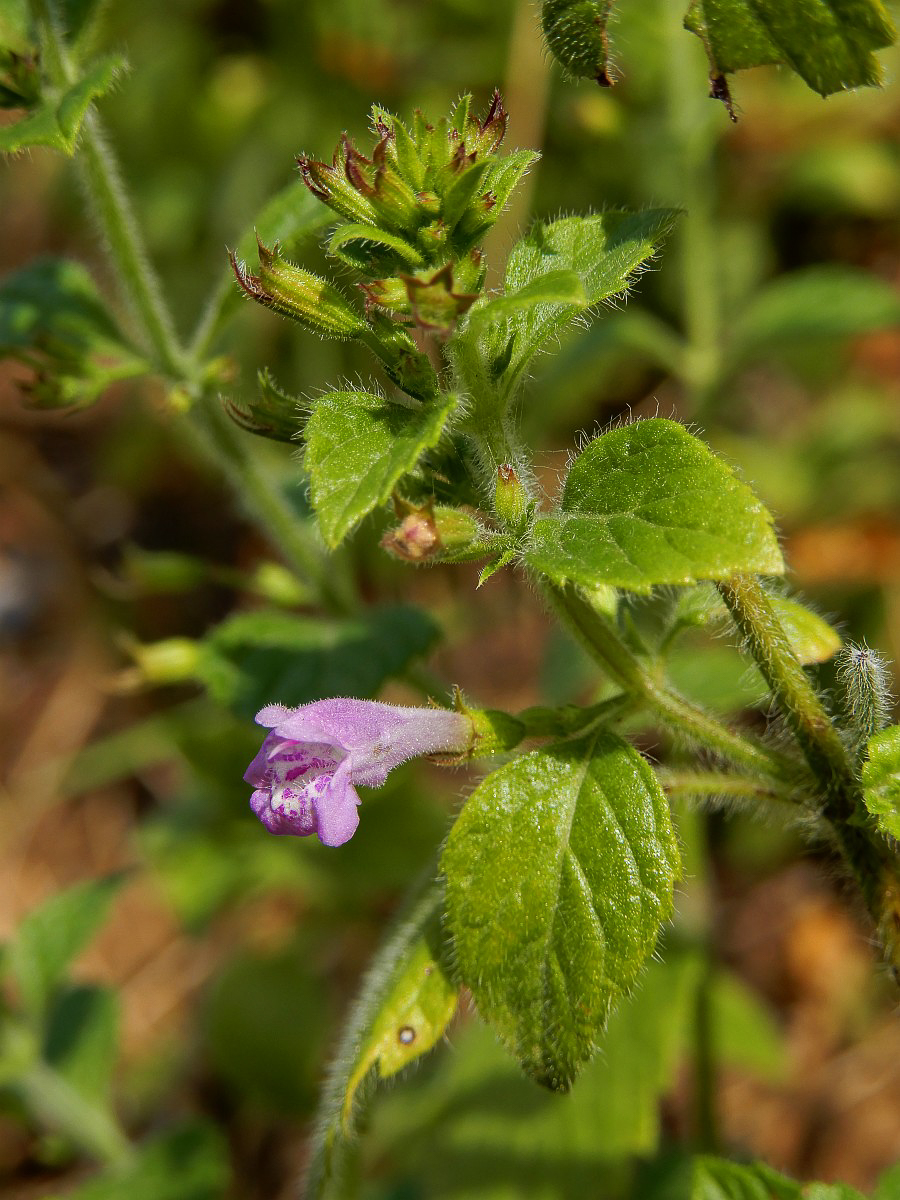
Leaves: The leaves are opposite, petiolate, and oval or lanceolate in shape, with the larger ones deeply serrated. They have a hairy texture and emit a scent similar to mint when crushed.
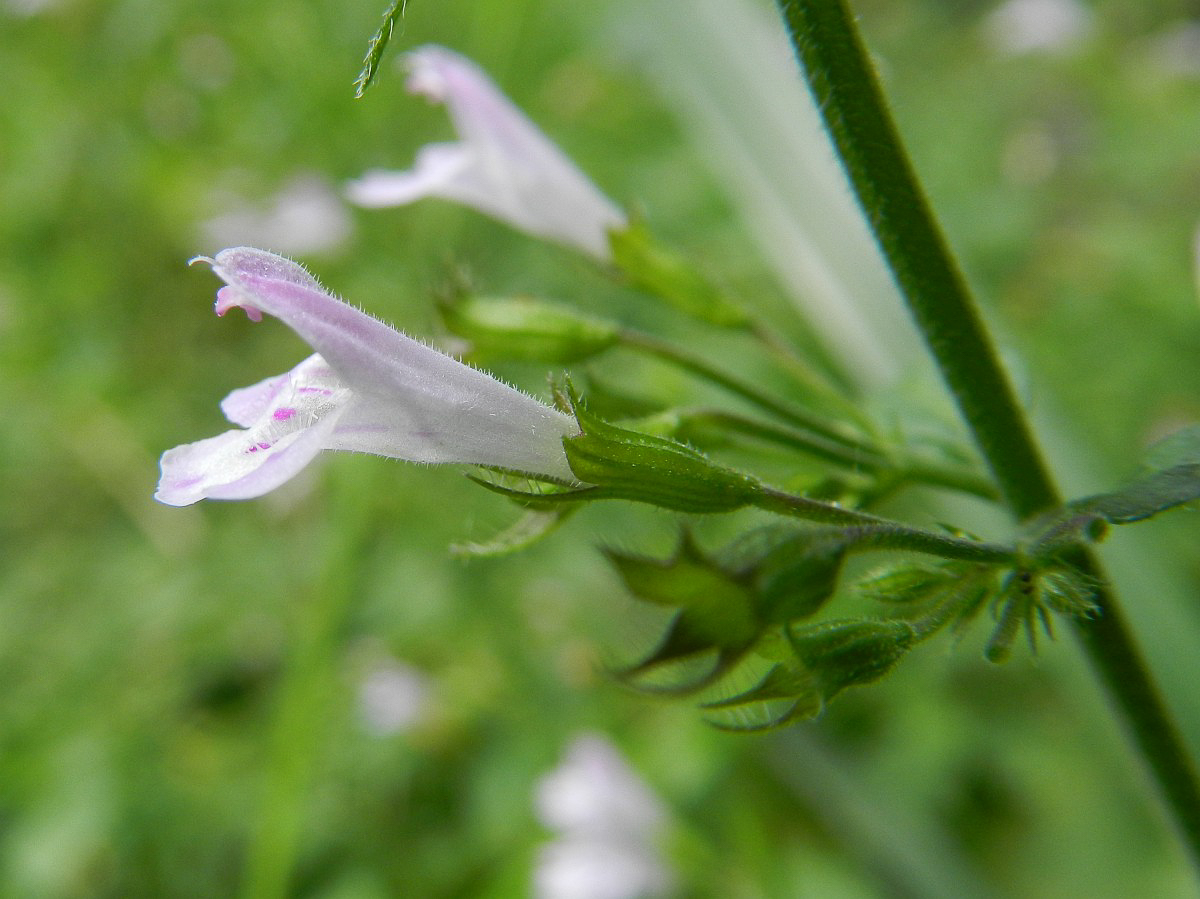
Flowers: Flowers in axillary clusters, hermaphrodite and bilabiate, with a tubular corolla divided into two pink-lilac lips. It blooms from April to October.
Fruits and seeds: Small capsules containing numerous seeds.
DISTRIBUTION AND HABITAT
It grows throughout Italy except in Sardinia. Commonly found in woodland clearings, poor meadows, and uncultivated areas, from sea level to 1,200 m.
USE
It has aromatic, digestive, carminative, and stimulant properties. Used to flavor various condiments, and mixed with Ground Ivy (Glechoma hederacea), it prepares a particularly pleasant herbal tea used as a digestive. Before taking any plant-based product (medicinal or non-medicinal) for therapeutic or similar purposes, it is always advisable to consult a doctor beforehand. In cooking, chopped leaves enhance dishes of meat, fish, vegetables, and mushrooms.
Photo: Used under a free license from Saxifraga and Rutger Barendse, Ed Stikvoort.