


Gorse subsp. preslii
Scientific name: Lotus corniculatus L. subsp. preslii (Ten.) P. Fourn.
Family name: Fabaceae
MORPHOLOGY
Growth habit and size: herbaceous perennial plant, variable in appearance. It can be glabrous, silky or hairy. Can reach 80 centimetres in height.
Stem: lignified at the base, thin, striated, not very branched.
Leaves: imparipinnate with 5 segments, alternate with rounded apex. They are lanceolate or ovate-lanceolate in shape.
Flowers: grouped in inflorescences with long peduncles. They are deep yellow or orange in colour. They appear between May and August.
Fruits and seeds: thin, cylindrical, brown legumes. They contain numerous oval, shiny, green to brown seeds with blackish maculae. They are grouped together at one end to form a kind of claws.
DISTRIBUTION AND HABITAT
The gorse is a cosmopolitan plant, spread all over the world. The subspecies preslii has a predominantly Mediterranean distribution. In Italy it is very common up to an altitude of 2,500 metres, in meadows, dry pastures or grassy wasteland. It is adapted to cool and humid climates and has excellent tolerance of drought, cold and even saline soils.
USE
Used for hay production, it is useful in soil erosion control and as a nitrogen fixer in the soil. It is used in phytotherapy as a cardiac tonic and to treat insomnia and bronchitis.
A yellow dye can be extracted from the broom.
INTERESTING FACTS
The generic name derives from the Greek “lotos”, a term referring to several valuable forage plants; the specific epithet derives from “corniculum” (= with small horns) and indicates the characteristic shape of the pods. The subspecies is dedicated to Karl Bořivoj Presl (1794-1852), a Prague naturalist and scholar of Sicilian flora.
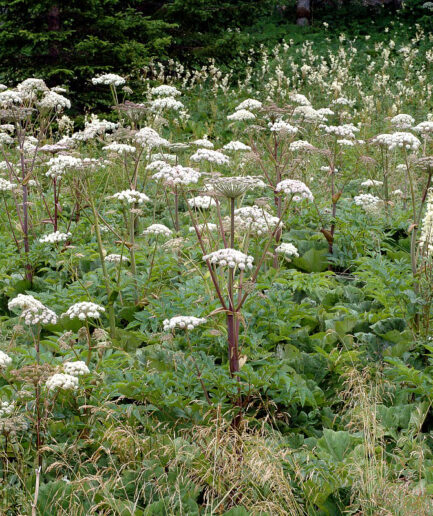
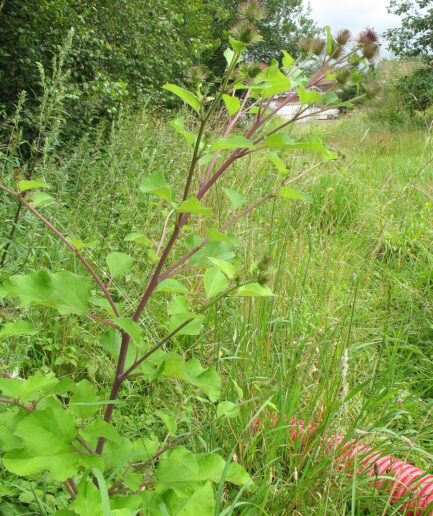
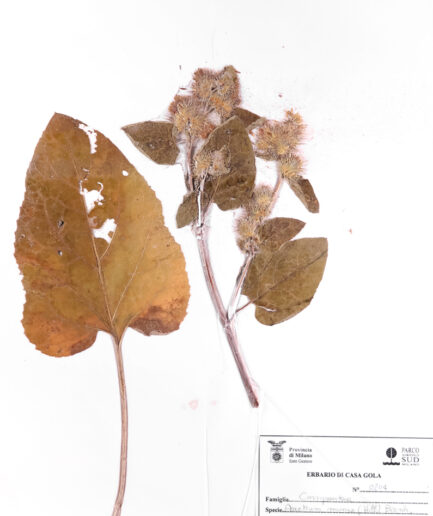
Photo: Under free licence from Saxifraga – Willem van Kruijsbergen, Jan van der Straaten and Rutger Barendse