
Coda di topo

Nome scientifico: Phleum pratense L

Famiglia: Poaceae 


MORFOLOGIA 


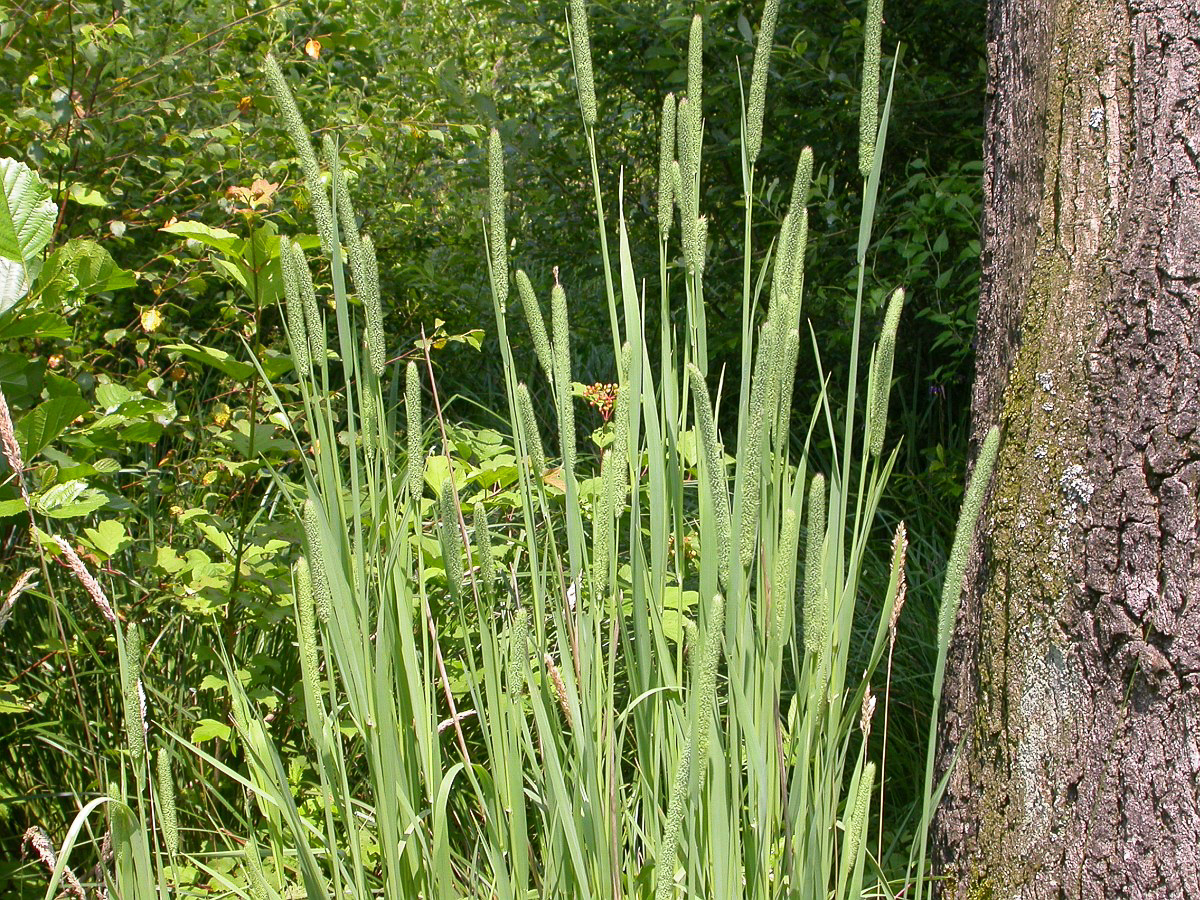
Portamento e dimensioni: pianta erbacea perenne, stolonifera di 20-100 cm, molto simile a Phleum bertoloni.


Fusto:  fusto eretto-ascendente, glabro, liscio, scuro ai nodi, ingrossato alla base e formante cespi densi


Foglie: lineari, a lamina larga 8-12 mm, scabre, ligula di 2-5 mm.


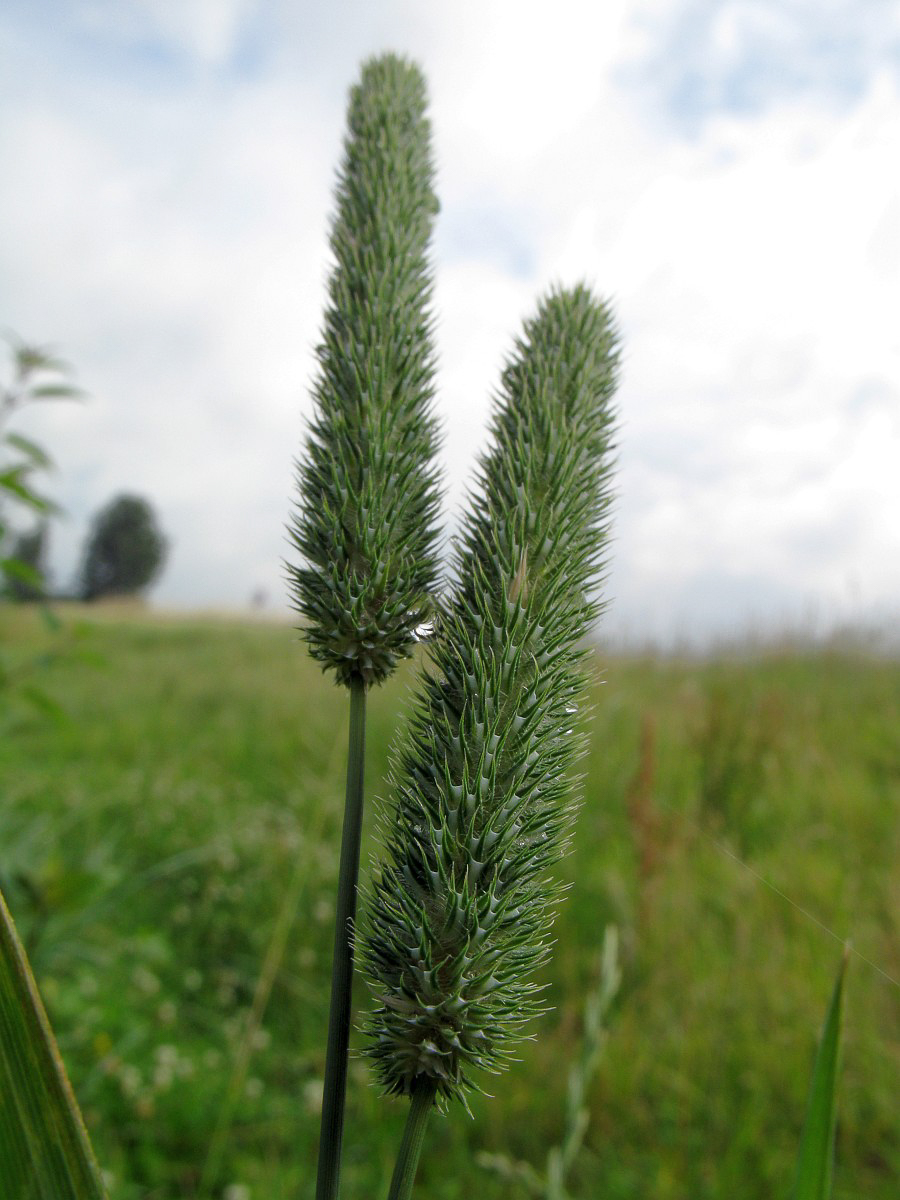
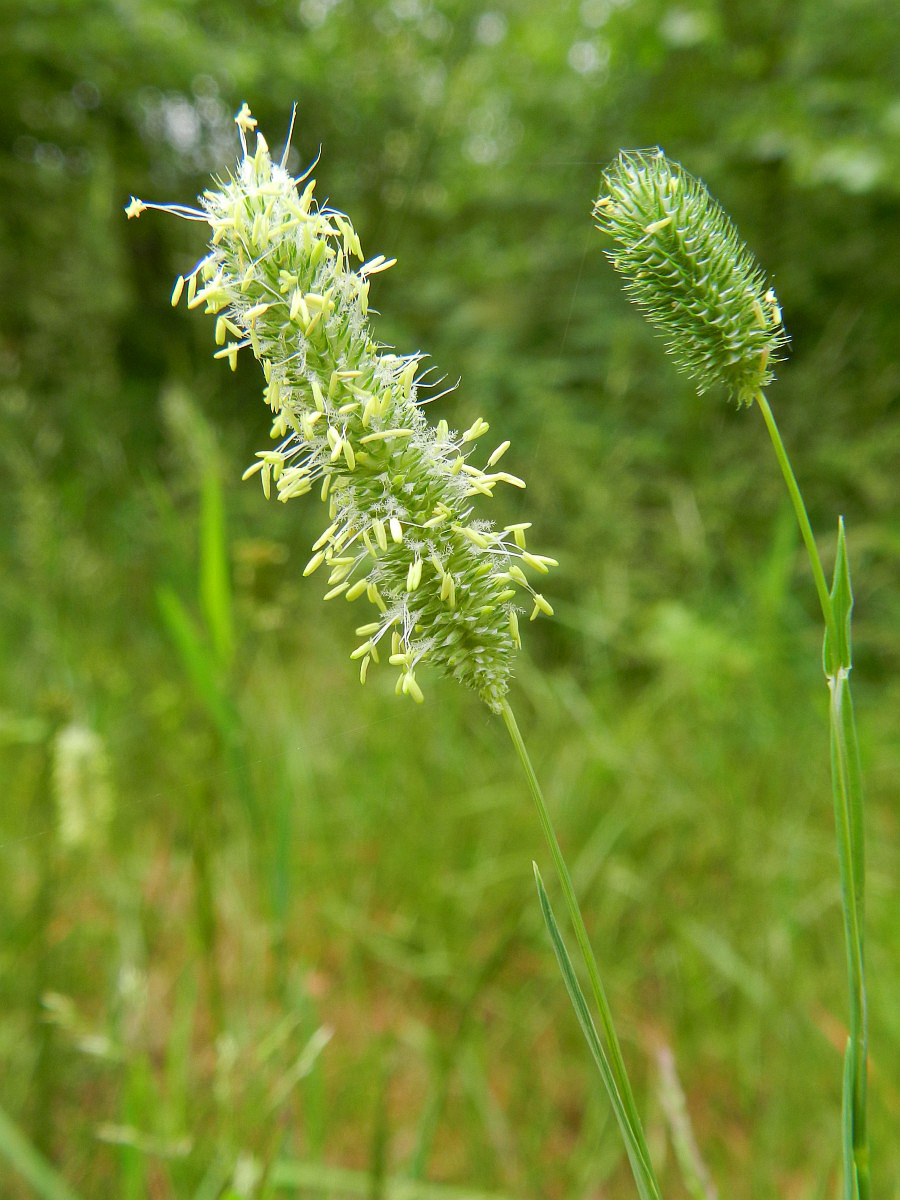
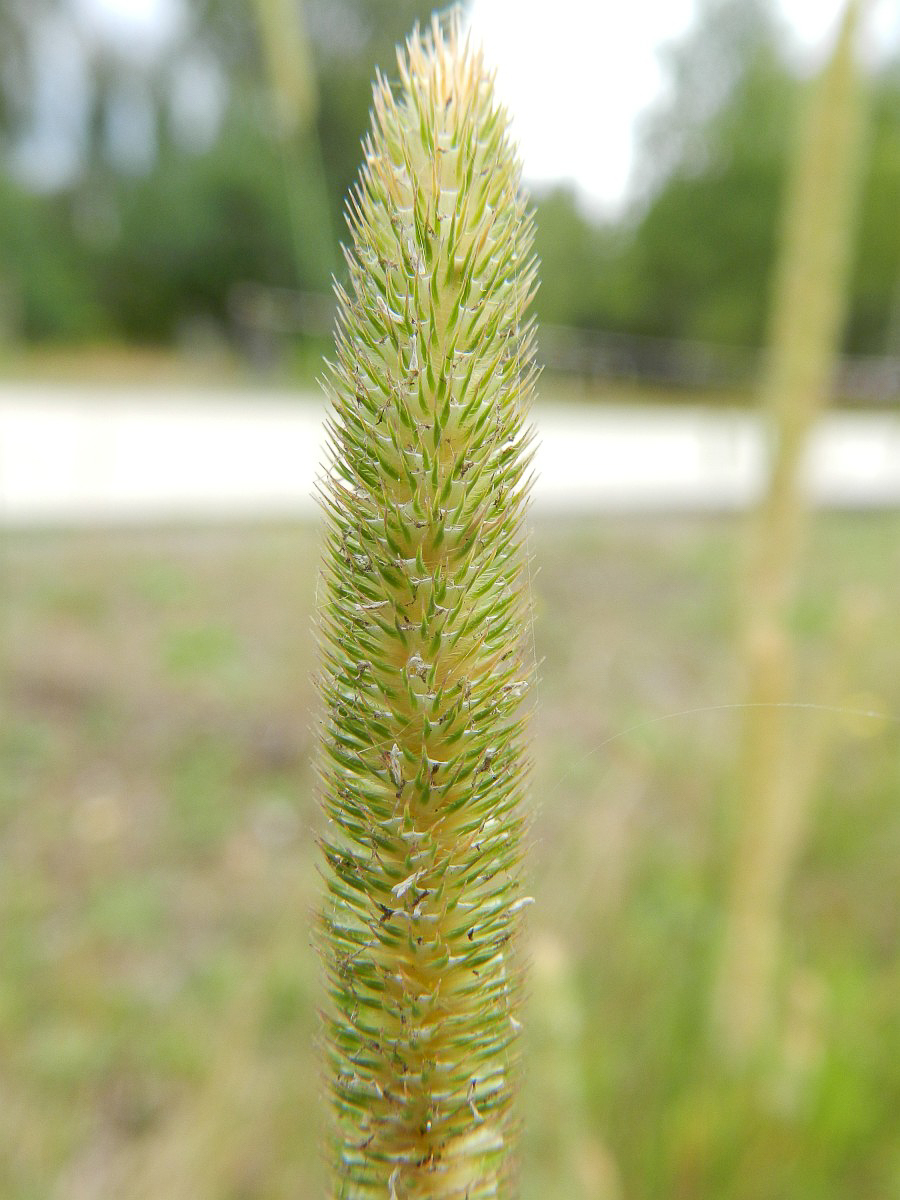
Fiori: l’infiorescenza è  una pannocchia spiciforme e densa, cilindrica, verde, lunga 8-12 cm, i fiori sono su spighette quasi sessili, uniflore ermafrodite ad aspetto biforcuto per glume (2,5-3 mm) troncate e mucronate, con resta apicale  Fiorisce da marzo a ottobre.


Frutti e semi: il frutto è una cariosside


DISTRIBUZIONE E HABITAT


Presente in tutta Italia nei prati stabili sino a 2.000 m di altitudine.


Foto: su licenza gratuita di Saxifraga e Peter Meininger, Rutger Barendse

COD: 3710 Categoria: Tag: , ,
Famiglia

Poaceae

Specie

Phleum pratense L

Tipologia

Pianta erbacea

Habitat

Prati

Timothy Grass


Scientific Name: Phleum pratense L 

Family: Poaceae


MORPHOLOGY


Habit and dimensions: perennial herbaceous plant, stoloniferous, 20-100 cm tall, very similar to Phleum bertoloni.


Stem: erect-ascending stem, glabrous, smooth, dark at the nodes, thickened at the base, forming dense tussocks.


Leaves: linear, with a wide blade of 8-12 mm, rough, ligule 2-5 mm long.


Flowers: the inflorescence is a dense, cylindrical, spike-like panicle, green, 8-12 cm long; the flowers are on almost sessile spikelets, single-flowered hermaphrodites with a bifurcated appearance due to glumes (2.5-3 mm) truncated and mucronate, with an apical awn. Blooms from March to October.


Fruits and seeds: the fruit is a caryopsis.


DISTRIBUTION AND HABITAT


Present throughout Italy in stable meadows up to 2,000 m in altitude.


Photo: licensed freely by Saxifraga and Peter Meininger, Rutger Barendse
Famiglia

Poaceae

Specie

Phleum pratense L

Tipologia

Pianta erbacea

Habitat

Prati