
Black Medick
Scientific Name: Medicago lupulina L.
Family: Fabaceae
MORPHOLOGY
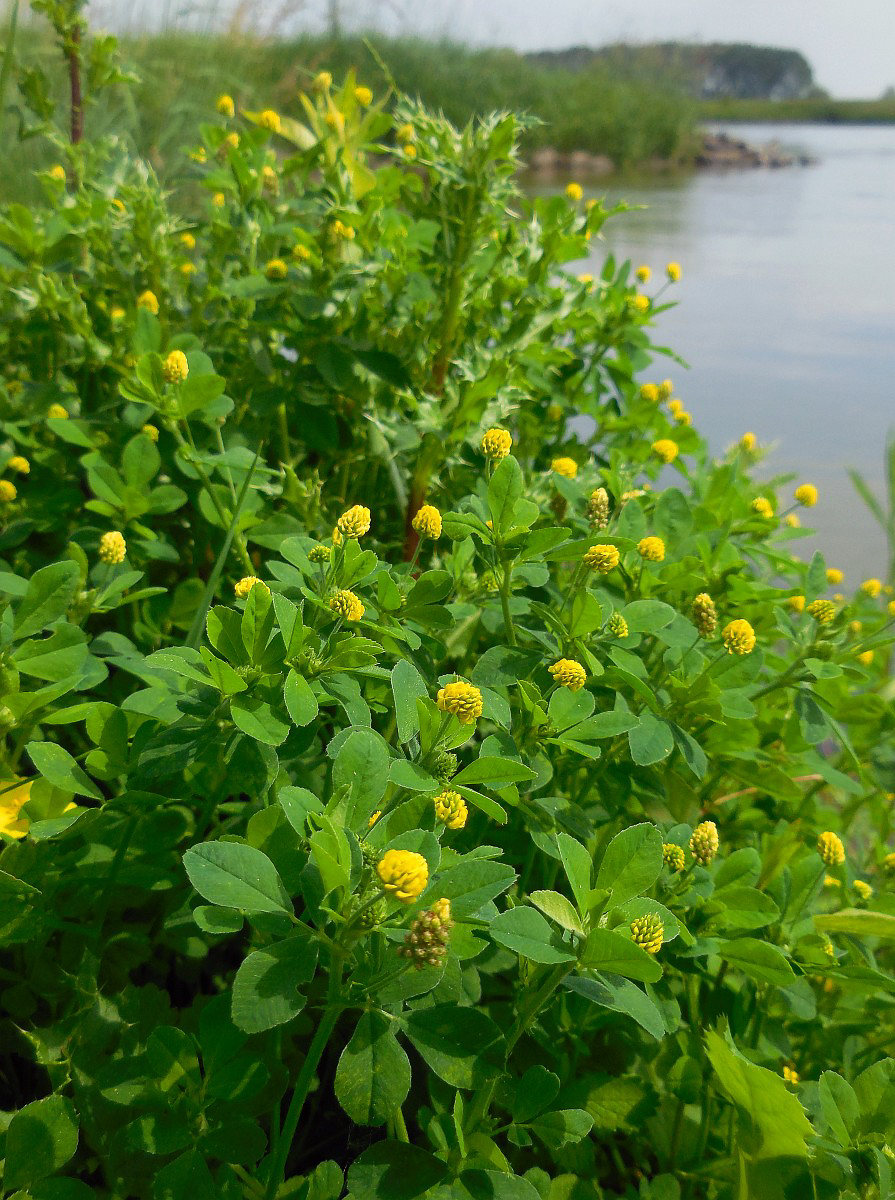
Habit and Size: Annual or biennial herbaceous plant, reaching heights of 10-30 (-40) cm.
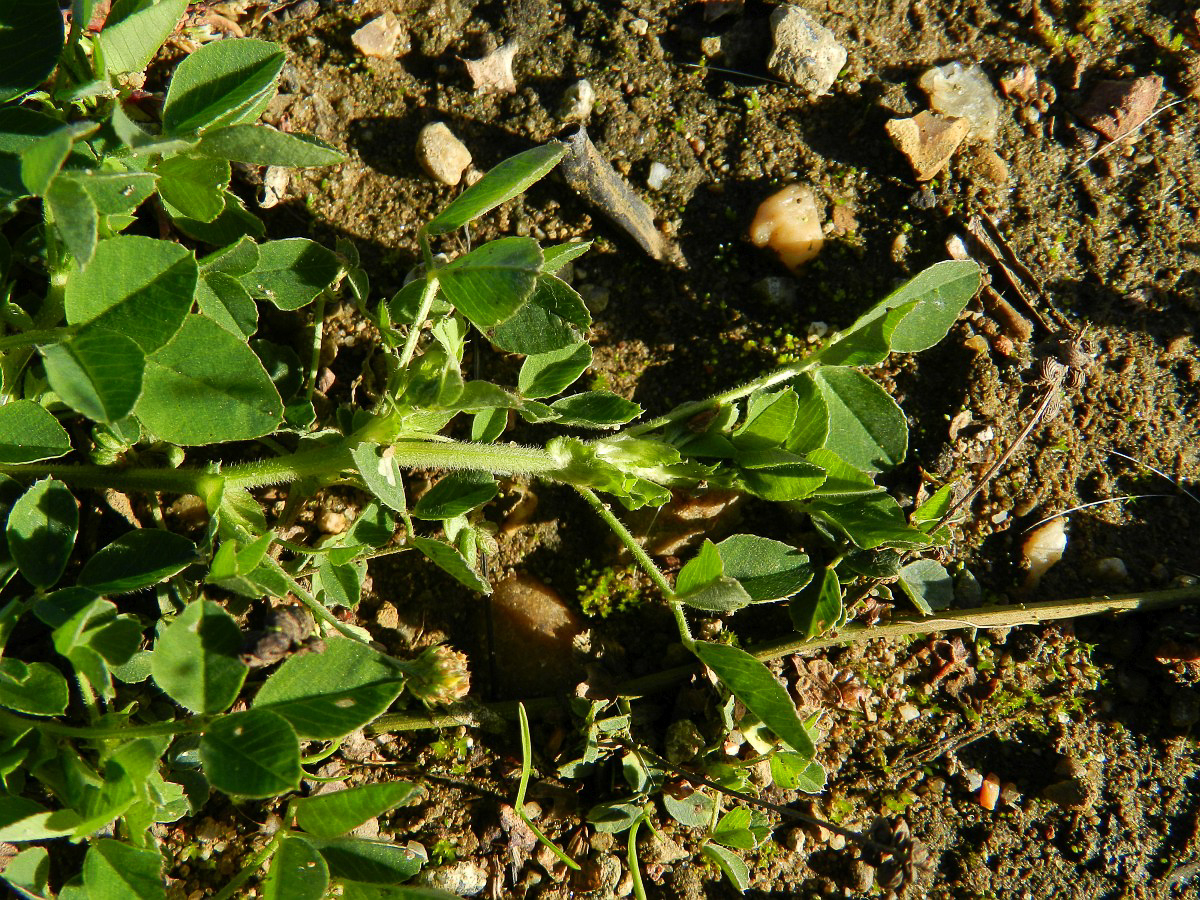
Stems: Pubescent stems, ranging from prostrate to ascending, rarely somewhat lignified at the base and sparsely branched.
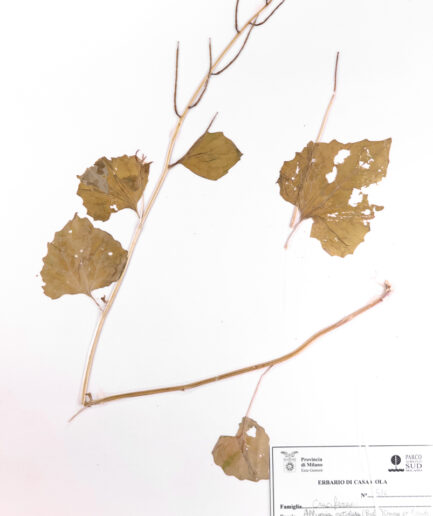
Leaves: Alternate, compound, trifoliate leaves, borne on petioles of 5-13 mm with stipules ranging from ovate to lanceolate, acuminate, entire or with short teeth at the base. Leaflets measure 5-10 x 5-12 mm, with very short rachises (the central one being longer), having a velvety texture especially on the lower surface, with a profile ranging from obovate to suborbicular, obcordate with an apiculate apex, with parallel lateral veins reaching the margin, which is serrate at least in the upper 1/3, rarely entire.
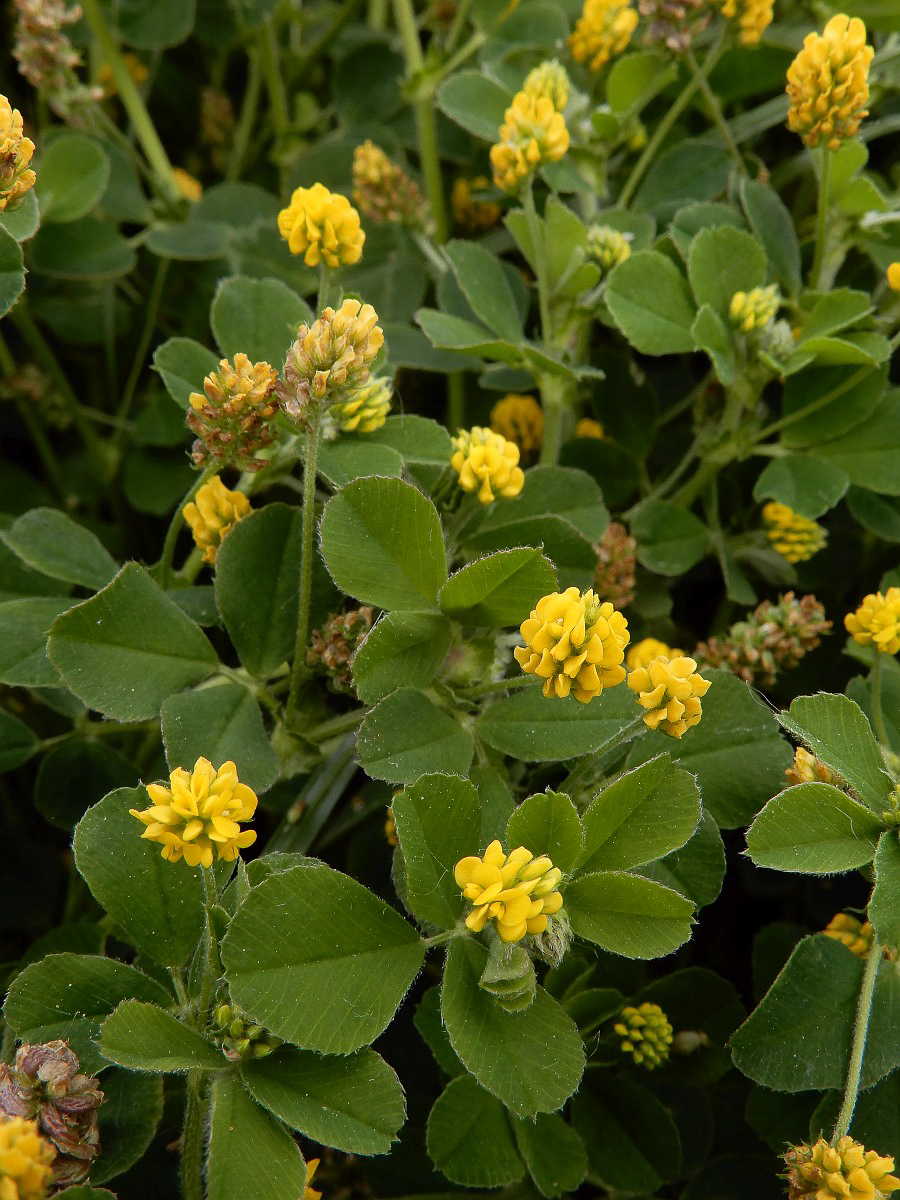
Flowers: Zygomorphic, yellow flowers, 2-3.5 mm long, arranged in clusters of 10-20 (50) in more or less spherical heads, on pubescent peduncles like the stem and longer than the axillary leaf. Calyx with 5 sepals with hairy teeth, unequal, the lower ones longer (approximately as long as the tube) than the upper ones. Corolla with 5 caducous petals, the upper petal (standard) larger than the 2 free lateral petals (wings) and the 2 fused lower petals (keel). Blooms from March to July.
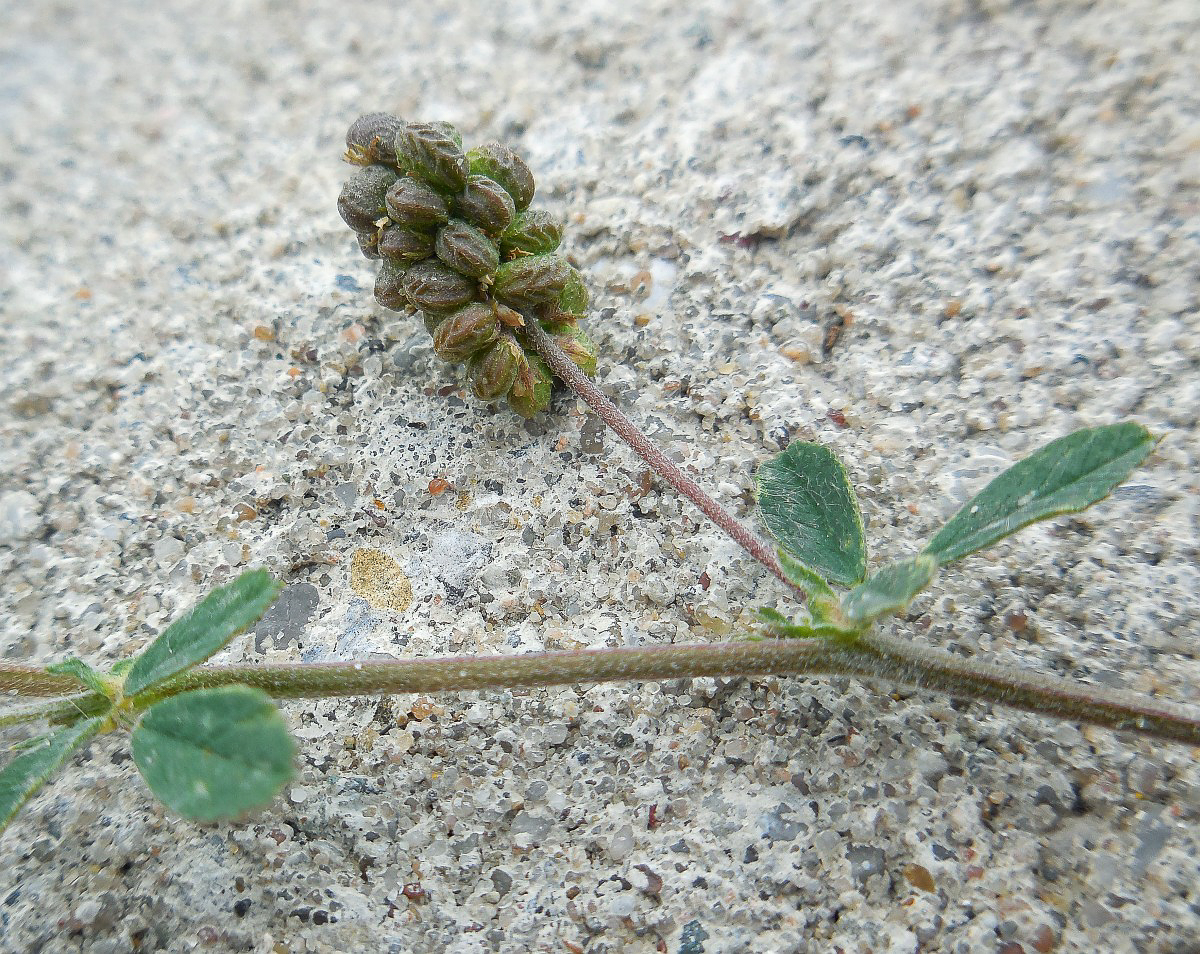
Fruits and Seeds: The fruit is an indehiscent legume (pod), reniform or shortly falcate and compressed, folded into a semicircle, with reticulate veins, glabrous or hairy, 1.5-2(-3) mm wide, spineless, brown-black at maturity, containing a single ovoid seed.
DISTRIBUTION AND HABITAT
Found throughout Italy, in cultivated and uncultivated dry fields, even trampled, from sea level to 2,000 m.
USE
It has antibacterial and soothing properties. Before taking any plant-based product (medicinal or non-medicinal) for therapeutic or similar purposes, it is always advisable to consult your doctor first.
INTERESTING FACTS
This plant can be used as forage with good nutritional value although it is not very productive in quantity. Sometimes it is sown on dry and arid soils for the establishment of artificial pastures. It is also a good honey plant. The seeds are of value to birds and rodents.
Photo: Licensed for free use by Saxifraga and Ed Stikvoort, Rutger Barendse.