
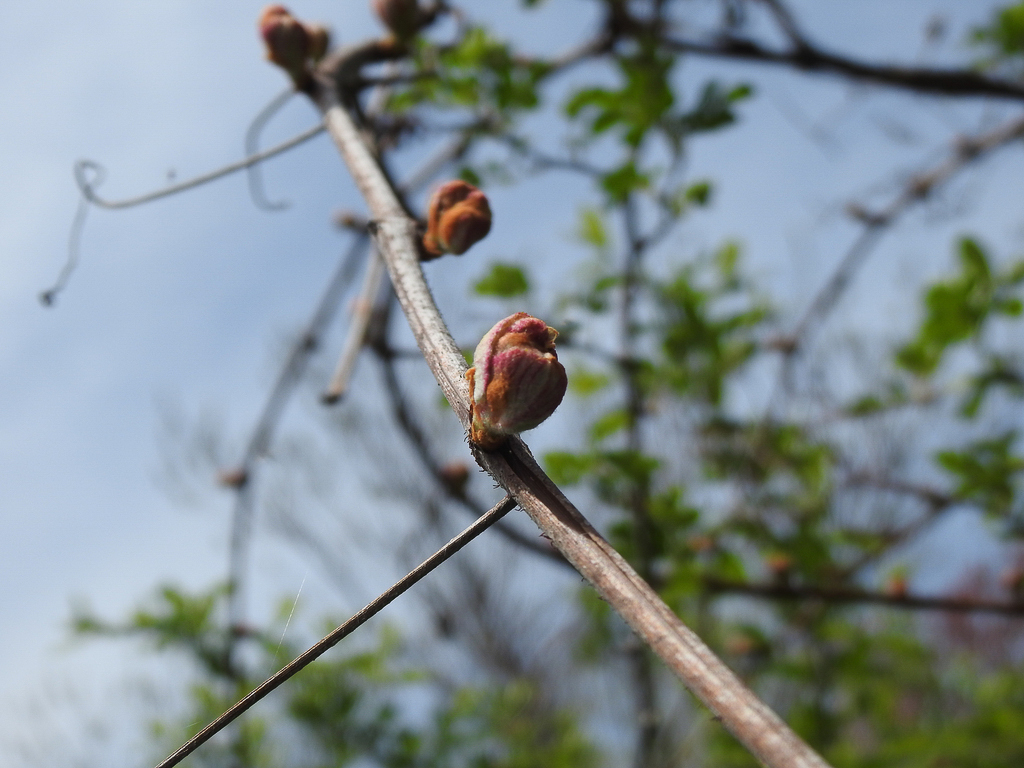
Vitis labrusca

Nome scientifico: Vitis labrusca L.                                                                
Famiglia: Vitaceae


MORFOLOGIA


Portamento e dimensioni: pianta arbustiva rampicante che necessita di supporti per svilupparsi. A questi si ancora per mezzo di cirri a spirale.


Corteccia: bruna e fessurata. Rami giovani allo stato erbaceo, che con il tempo si lignificano prendendo il nome di tralci.


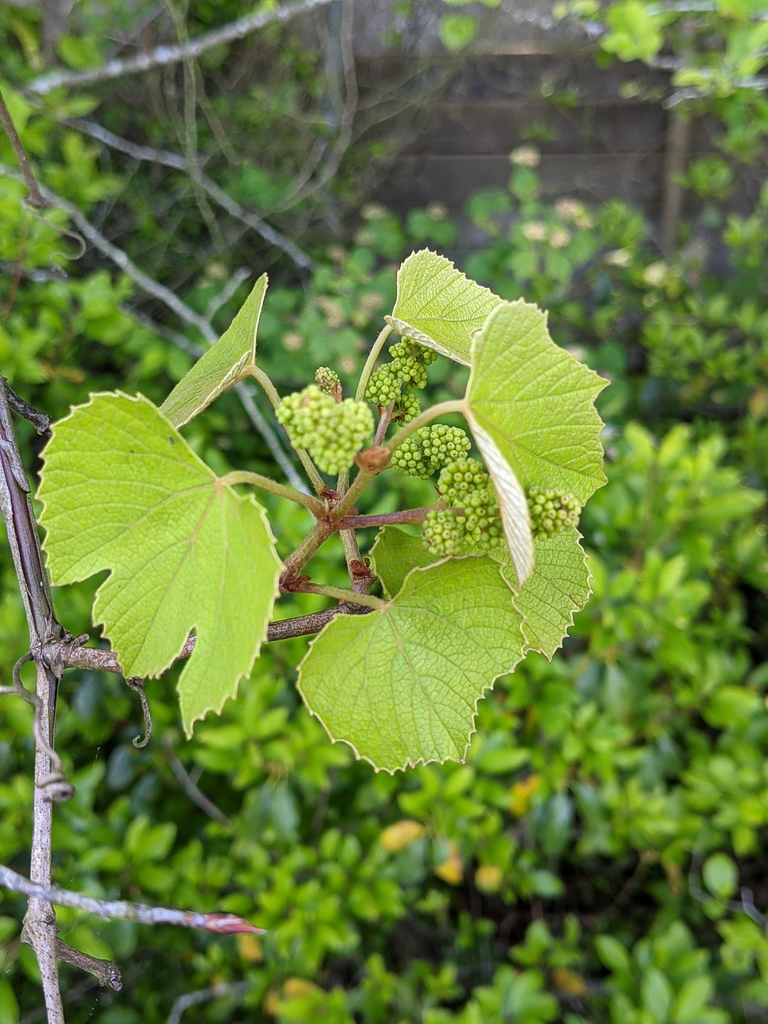
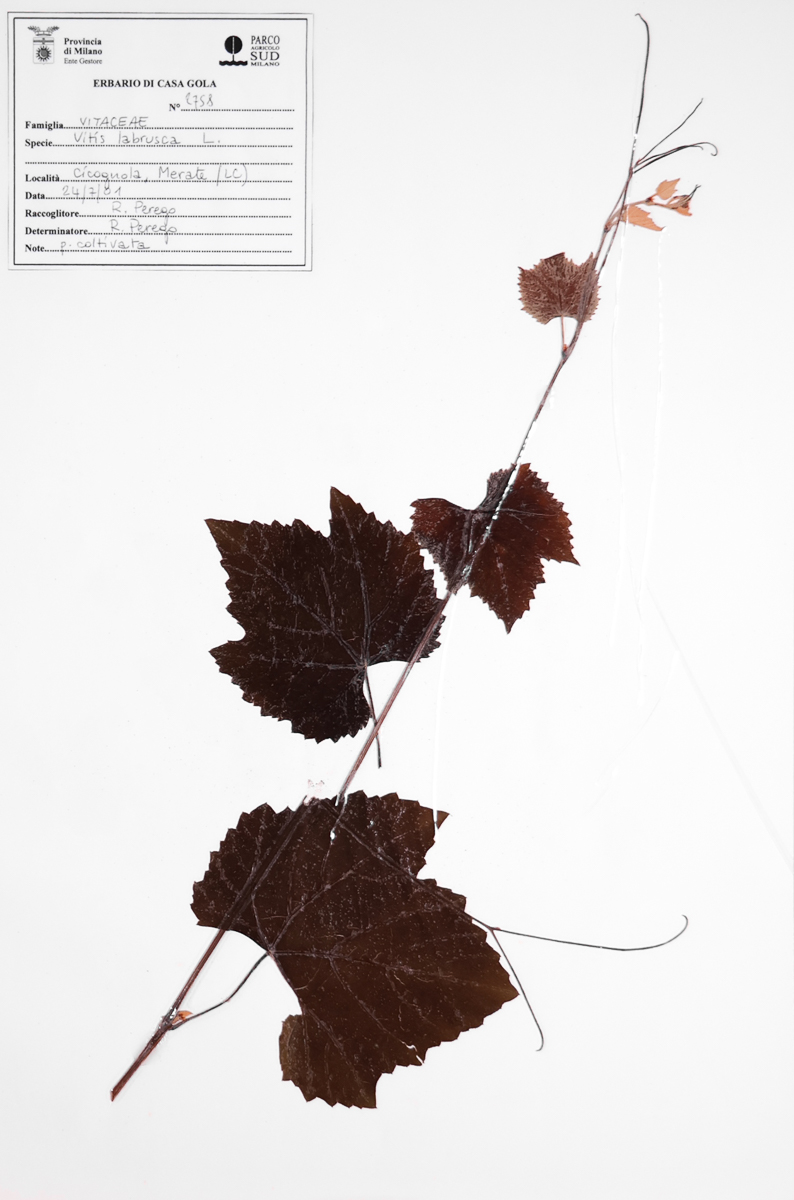
Foglie: grandi e spesse, ricche di fitta peluria nella pagina inferiore. Sono palmate con 3 o 5 lobi e presentano margine irregolarmente dentato.


Fiori: riuniti in dense infiorescenze a grappolo, compaiono tra maggio e giugno.


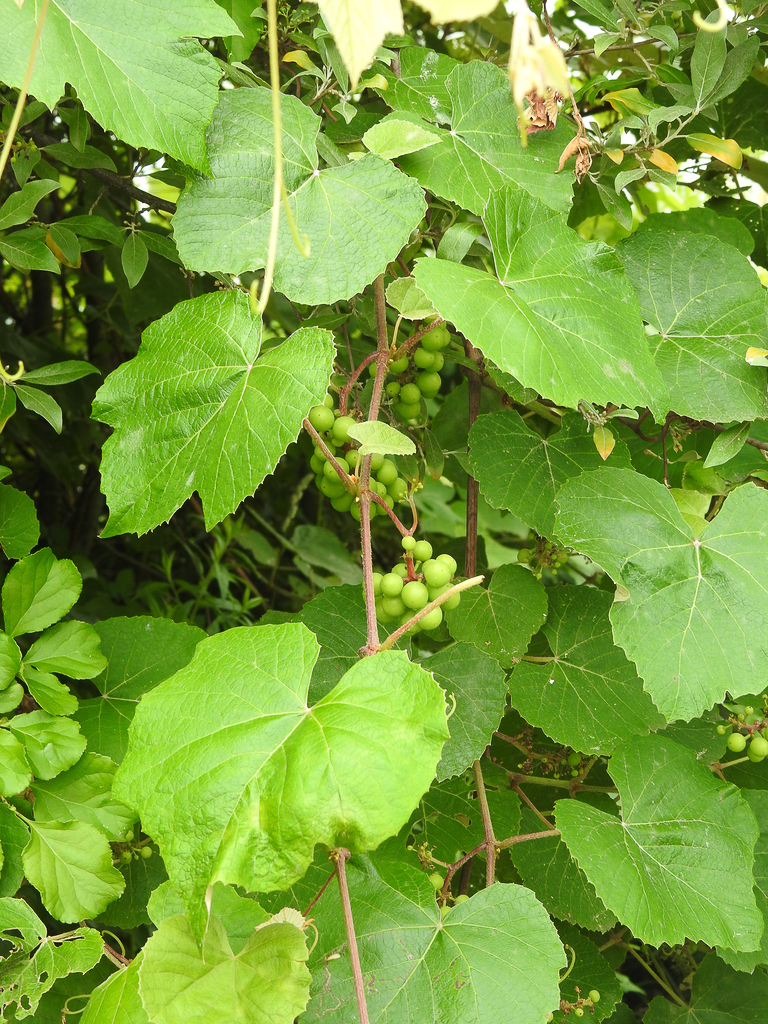
Frutti e semi: bacca ellissoide o sferica, chiamata acino, dalla buccia spessa e dalla polpa soda e zuccherina.


DISTRIBUZIONE E HABITAT


Pianta originaria dell’est degli Stati Uniti d’America, appartenente al raggruppamento delle viti americane. Fu importata in Europa come portainnesto della vite europea. Diffusa in quasi tutta Italia a basse quote, non oltre gli 800 metri sopra il livello del mare, la Vitis labrusca predilige clima umidi e suoli acidi e calcarei. Resiste bene alla siccità e alle malattie.


UTILIZZO


I frutti sono commestibili.

Alcune varietà di questa specie, tra cui la varietà Isabella dalla quale si ottiene l’uva fragola, sono state marginalmente interessate dalla coltivazione per la successiva vinificazione. I fermentati di tale uva non possono però essere definiti “vino”: in osservanza delle leggi italiane e delle norme europee la definizione “vino” può essere applicata infatti solo ai fermentati della specie Vitis vinifera, ossia la vite europea.


CURIOSITÀ


Il termine Labrusca deriva dal latino e significa “selvatico” Sebbene il nome sia simile, la Vitis labrusca non ha nulla in comune con le varietà di vite europea a nome Lambrusco.


Foto: Su licenza gratuita di INaturalist.

Famiglia

Vitaceae

Specie

Vitis labrusca L

Tipologia

Arbusto

Habitat

Pianta coltivata

Vitis labrusca

Scientific name: Vitis labrusca L.
Family name: Vitaceae


MORPHOLOGY


Habit and dimensions: a climbing shrub that requires support structures to develop. It attaches to these supports using spiral tendrils.


Bark: brown and fissured. Young branches are herbaceous but become woody over time, at which point they are called canes.


Leaves: large and thick, with dense hair on the underside. They are palmate with 3 or 5 lobes and have irregularly toothed margins.


Flowers: clustered in dense inflorescences, appearing from May to June.


Fruits and seeds: ellipsoidal or spherical berries, known as grapes, with thick skins and firm, sweet flesh.


DISTRIBUTION AND HABITAT

Native to the eastern United States, belonging to the group of American vines. It was imported to Europe as rootstock for the European vine. Widespread throughout almost all of Italy at low altitudes, not exceeding 800 meters above sea level, Vitis labrusca prefers humid climates and acidic, calcareous soils. It is highly resistant to drought and diseases.


USE

The fruits are edible. 

Some varieties of this species, including the Isabella variety from which Concord grapes are obtained, have been marginally cultivated for subsequent winemaking. However, the fermented products of this grape cannot be called “wine”: according to Italian laws and European regulations, the term “wine” can only be applied to fermented products of the species Vitis vinifera, the European vine.


INTERESTING FACTS


The term Labrusca comes from Latin and means “wild.” Although the name is similar, Vitis labrusca has nothing in common with the European vine varieties called Lambrusco.

Photo: Courtesy of INaturalist under a free license.
 

Famiglia

Vitaceae

Specie

Vitis labrusca L

Tipologia

Arbusto

Habitat

Pianta coltivata