
Veronica agreste

Nome scientifico: Veronica agrestis                                                                
Famiglia: Plantaginaceae


MORFOLOGIA


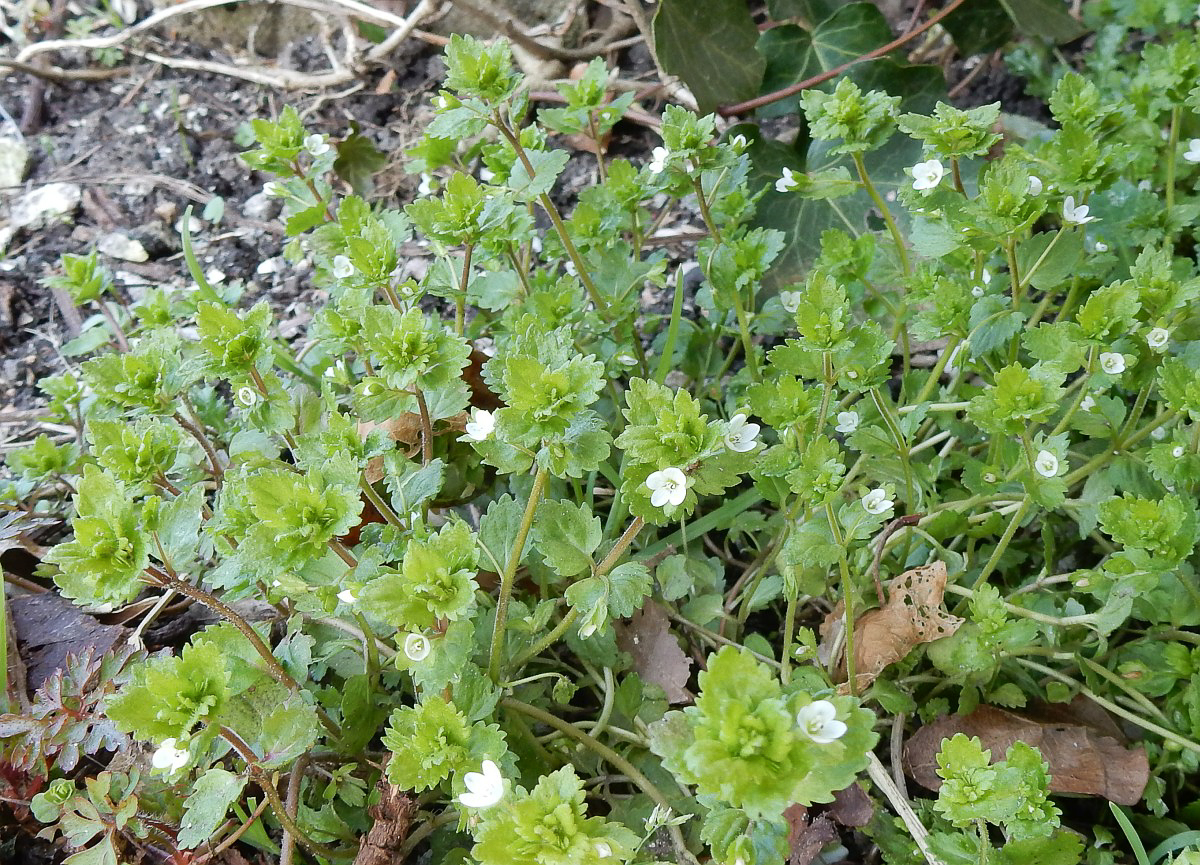
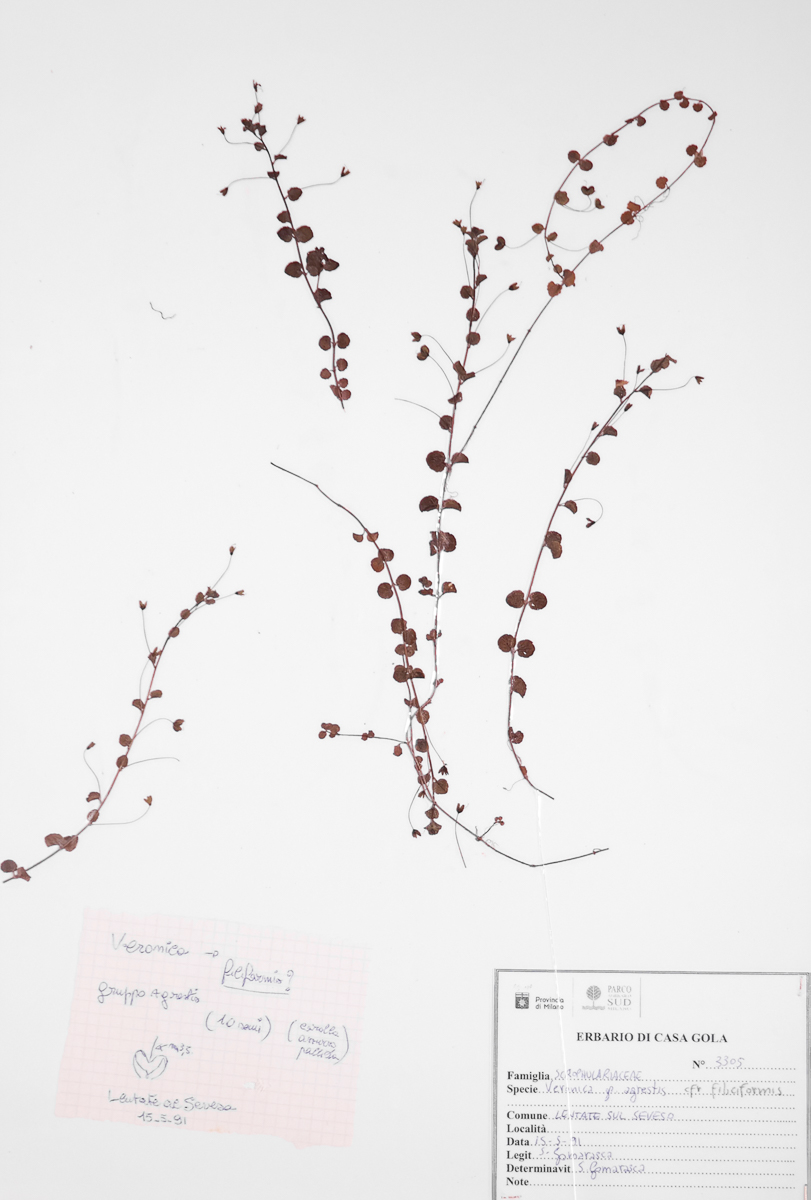
Portamento e dimensioni: pianta erbacea annuale. Raggiunge un’altezza che varia tra 5 e 40 centimetri.


Fusto: prostrato ascendente e generalmente ramoso.


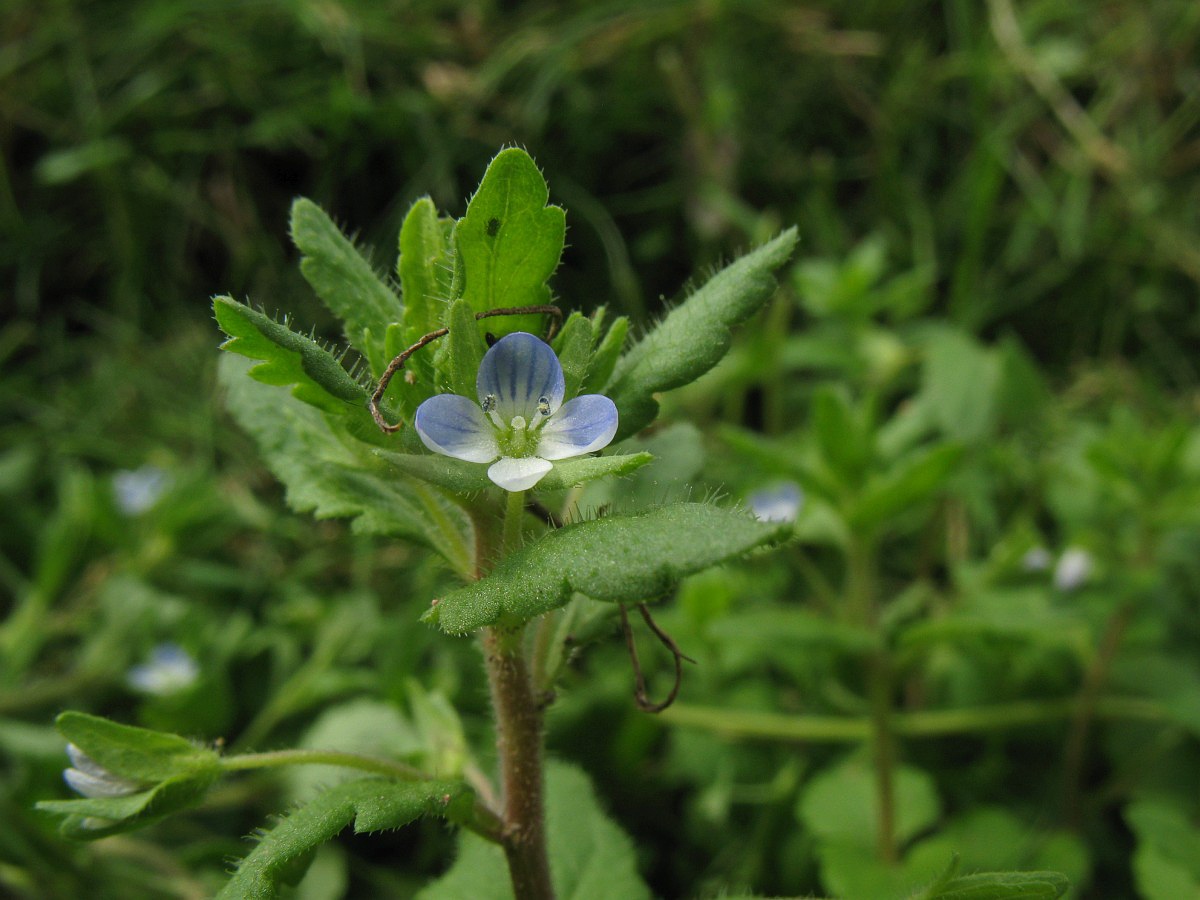
Foglie: opposte, con lamina da ovale a sub-rotonda. Il margine è più o meno profondamente crenato e la superficie presenta piccoli peli.


Fiori: riuniti in infiorescenze a racemo terminali, con 10-30 fiori al massimo. I singoli fiori sono ermafroditi e pentameri. Compaiono tra febbraio e ottobre, con petali di colore blu, violetto o celeste.


Frutti e semi: capsule cordiformi, leggermente compresse, con due lobi paralleli e arrotondati. Presentano piccoli e pochi peli ghiandolari e aprendosi rilasciano dagli 8 ai 14 semi giallastri o bruno chiari, opachi.


DISTRIBUZIONE E HABITAT


Pianta originaria dell’Europa, presente in quasi tutte le regioni d’Italia dal livello del mare fino a 1.500 metri di quota circa. Vegeta in campi coltivati, orti, pascoli e prati, prediligendo terreni poveri di calcare e ambienti freddi e umidi.


UTILIZZO


Nessun utilizzo noto.


CURIOSITÀ


Mentre l’etimologia del genere è incerta, l’epiteto specifico deriva da ager (=campo), in riferimento all’habitat in cui si ritrova spesso la specie.


Foto: Su licenza gratuita di Saxifraga – Peter Meininger e Rutger Barendse

Famiglia

Plantaginaceae

Specie

Veronica agrestis

Tipologia

Pianta erbacea

Habitat

Coltivazioni, Incolti, Prati

Green field speedwell

Scientific name: Veronica agrestis
Family name: Plantaginaceae


MORPHOLOGY


Habit and dimensions: annual herbaceous plant. It reaches a height ranging from 5 to 40 centimeters.


Stem: prostrate ascending and generally branched.


Leaves: opposite, with a blade that ranges from oval to sub-rounded. The margin is more or less deeply crenate and the surface has small hairs.


Flowers: arranged in terminal raceme inflorescences, with a maximum of 10 – 30 flowers. Individual flowers are hermaphroditic and pentamerous. They appear between February and October, with petals of blue, violet, or light blue color.


Fruits and seeds: heart-shaped capsules, slightly compressed, with two parallel and rounded lobes. They have small and few glandular hairs and release 8 to 14 yellowish or light brown, opaque seeds when they open.


DISTRIBUTION AND HABITAT

A plant native to Europe, present in almost all regions of Italy from sea level up to about 1,500 meters in altitude. It grows in cultivated fields, gardens, pastures, and meadows, preferring soils poor in lime and cold, humid environments.


USE

No known use.


INTERESTING FACTS


While the etymology of the genus is uncertain, the specific epithet derives from ager (= field), referring to the habitat where the species is often found.

Photo: Under free license from Saxifraga – Peter Meininger and Rutger Barendse.

Famiglia

Plantaginaceae

Specie

Veronica agrestis

Tipologia

Pianta erbacea

Habitat

Coltivazioni, Incolti, Prati