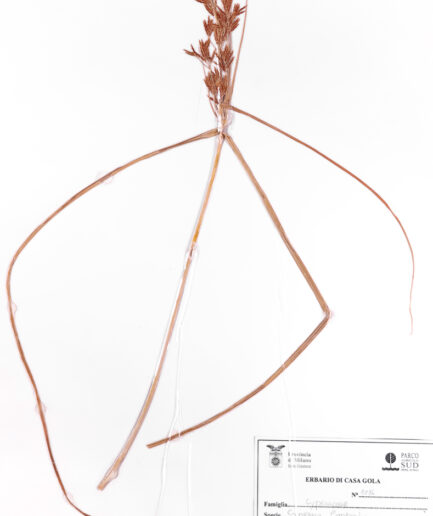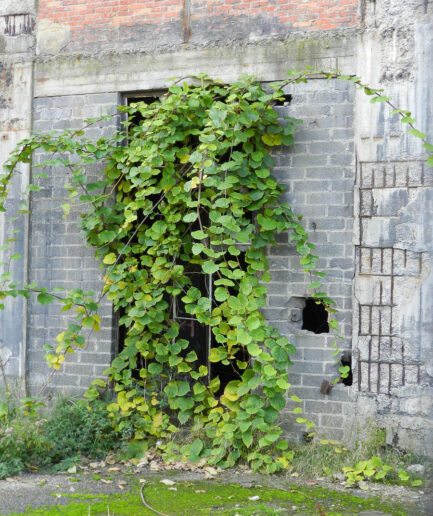



Heart-shaped sweet vetch
Scientific name: Vicia sativa L. subsp. cordata (Hoppe)
Family name: Sapindaceae
MORPHOLOGY
Habit and dimensions: an annual herbaceous plant that can reach up to 1 meter in height.
Stem: prostrate-ascending and climbing, with appressed hairs.
Leaves: composed of 10 to 14 linear and lanceolate segments, with a heart-shaped apex, which gives the subspecies its name.
Flowers: grouped in small inflorescences bearing 2 flowers on a 2-millimeter peduncle. The corolla of the individual flowers can range from violet to reddish-violet.
Fruits and seeds: linear and oblong legumes, compressed and constricted between the seeds. Each legume contains 4 to 9 smooth, slightly compressed, dark-colored seeds.
DISTRIBUTION AND HABITAT
A plant native to the Mediterranean basin, which has become subcosmopolitan. It grows in meadows, fallow lands, and cultivated fields, up to an altitude of 1,500 meters. It prefers temperate-warm climates and well-sunny positions.
USE
Sweet vetch was widely cultivated in the past both as fodder and for human consumption. The seeds, dried and ground, were mixed with cereal flour for bread making. Today, the leaves and flowers are consumed, either raw or cooked. Being nitrogen-fixing, the species is also used as a natural fertilizer.
INTERESTING FACTS
The genus name derives from the Latin viere or vincire (= to bind), referring to its characteristic of twining around a support or other plants using tendrils. The specific name also comes from the Latin sativus (= cultivated). Due to the ease of hybridization of Vicia sativa, there are numerous subspecies and varieties, often difficult to distinguish from one another.