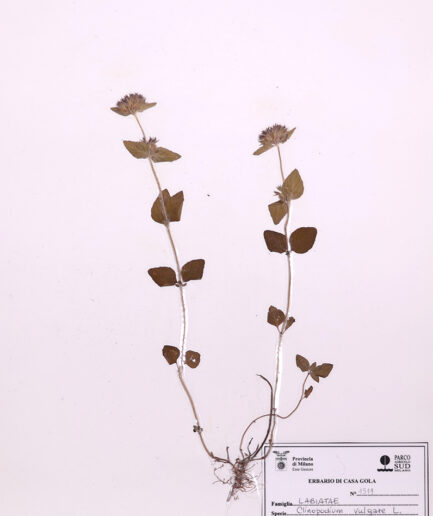


Large thyme
Scientific name: Thymus pulegioides L.
Family name: Lamiaceae
MORPHOLOGY
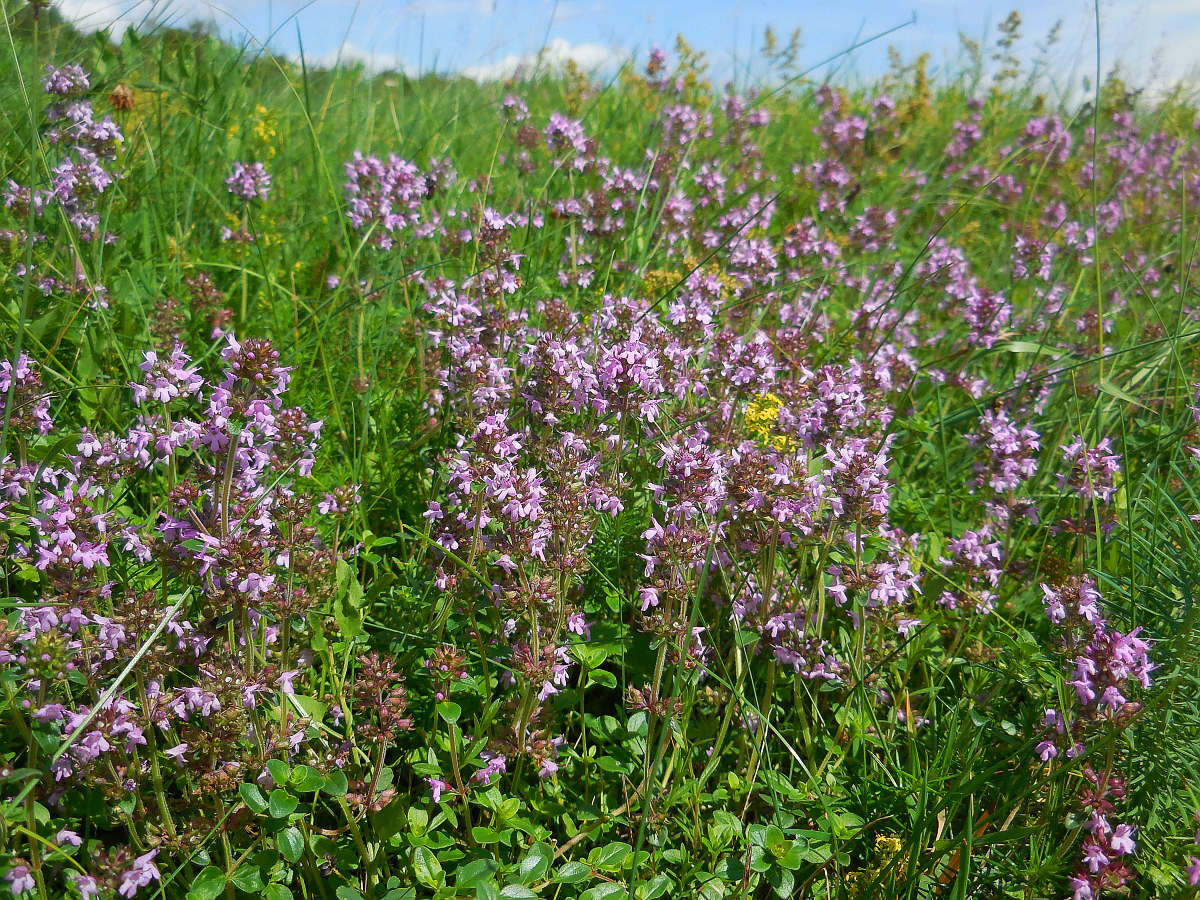
Habit and dimensions: perennial herbaceous plant, reaching a height of about 20 – 30 centimeters. It has a sub-erect or slightly prostrate growth habit.
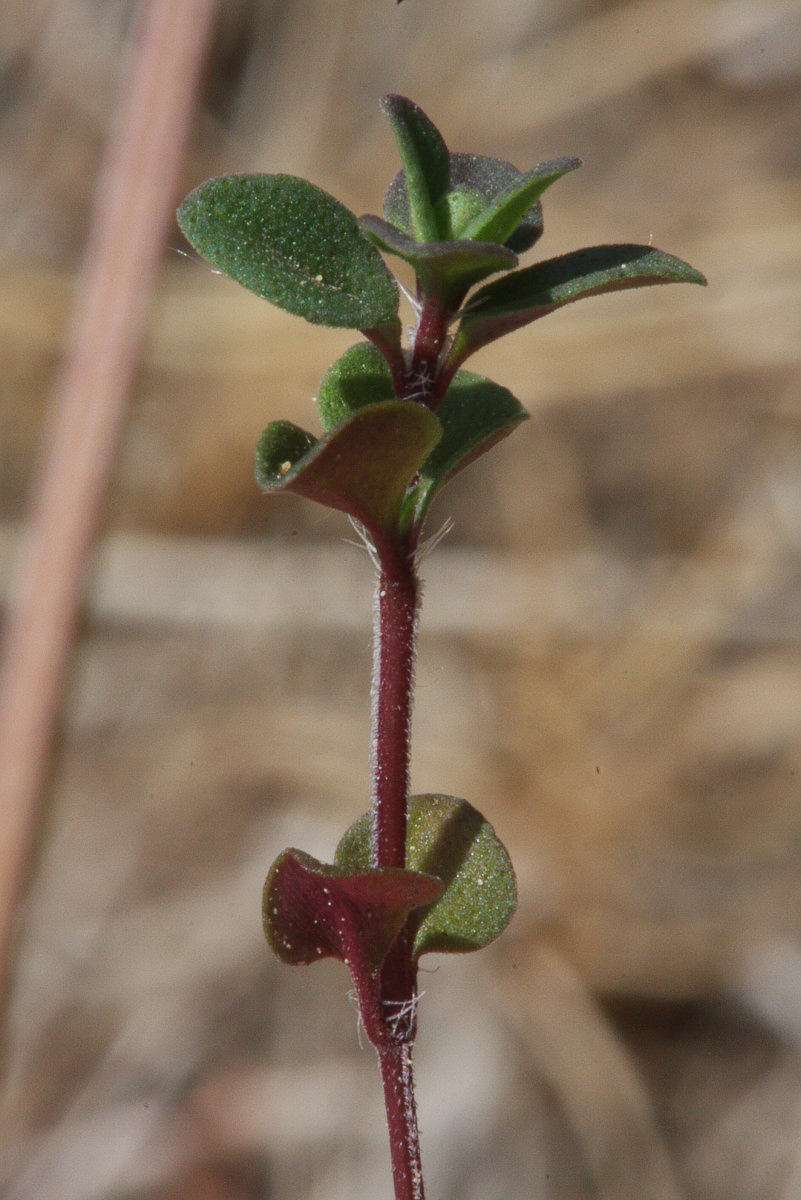
Stem: creeping and tetragonal, with a quadrangular cross-section.
Leaves: opposite, petiolate, and ovate or lanceolate in shape.
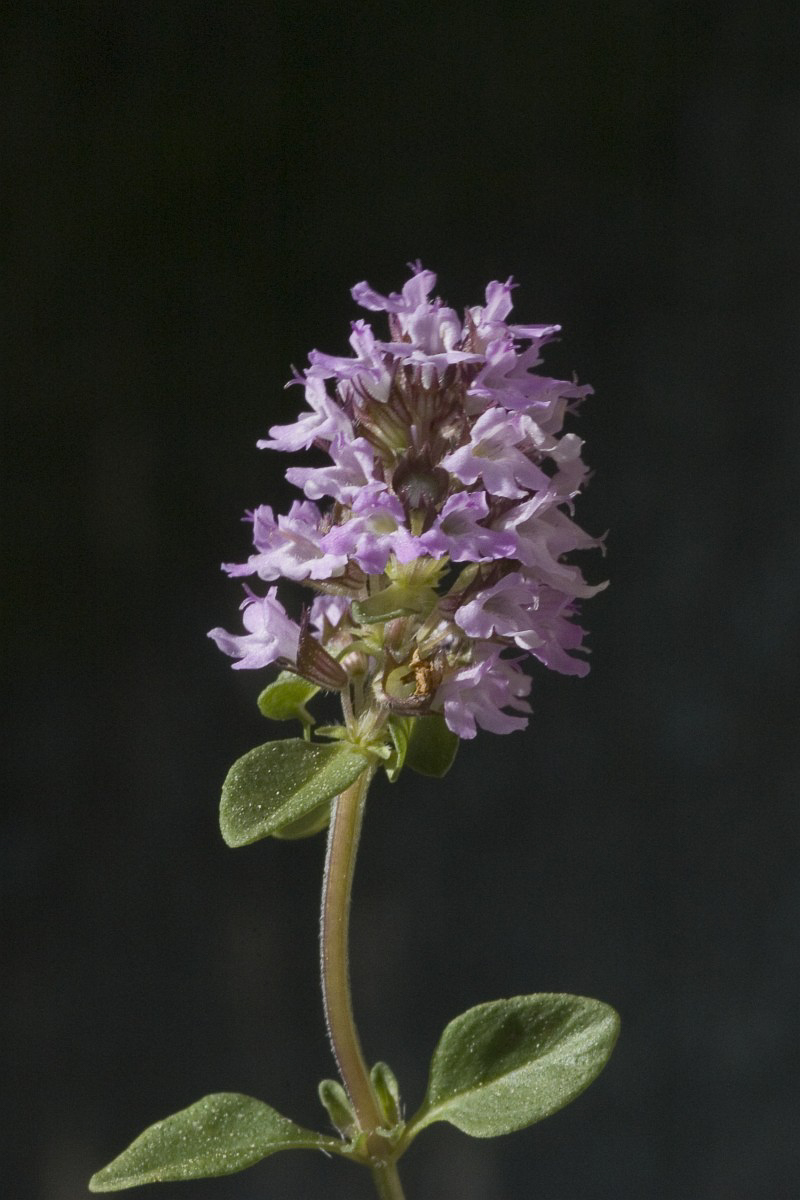
Flowers: hermaphroditic and tetramerous, with four petals in pink, violet, or purple. They appear between May and August in terminal inflorescences.
Fruits and seeds: schizocarp composed of four nutlets.
DISTRIBUTION AND HABITAT
Eurasian species, present in Italy only in the northern regions and partly in the central regions. It can also be found above 2,000 meters in dry meadows, pastures, or at the edges of broadleaf forests. It grows on stony or clayey soils, both fresh and slightly arid.
USE
In folk medicine, the species is used for its antiseptic, disinfectant, and deodorant properties. In the culinary field, it is used as a condiment and spice.
INTERESTING FACTS
The generic name likely derives from the Greek thyein (= to sacrifice), alluding to the ancient use of the species in ritual sacrifices, similar to incense. The specific epithet derives from the plant Mentha pulegium.
Photo: Under free license from Saxifraga – Jan van der Straaten, Rutger Barendse, and Ed Stikvoort.