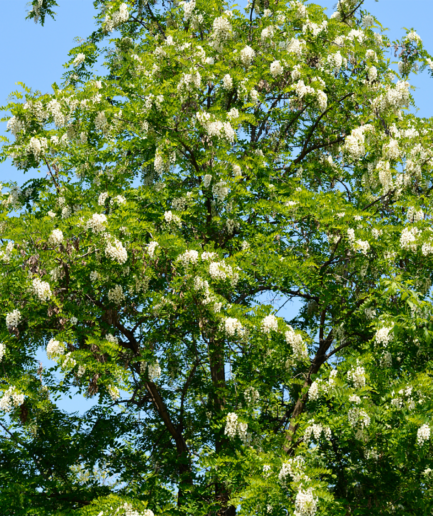

Grey poplar
Scientific name: Populus canescens (Aiton)
Family name: Salicaceae
MORPHOLOGY
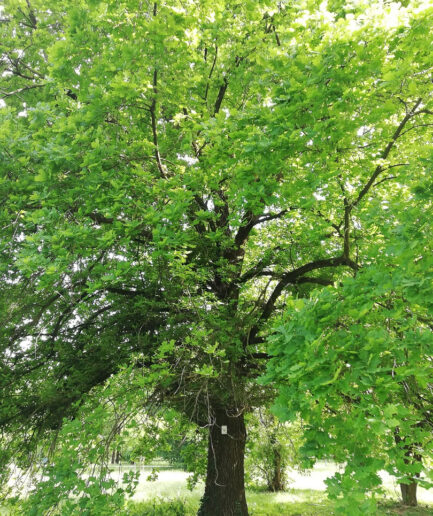
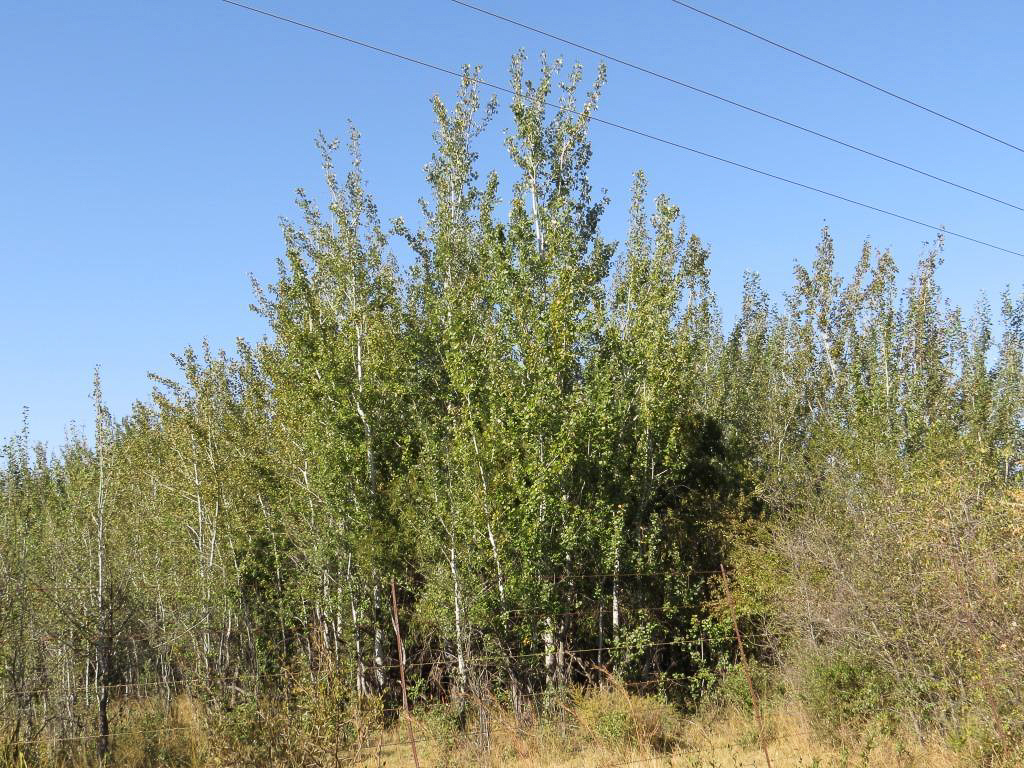
Habit and dimensions: deciduous tree that can reach between 20 and 50 meters in height. It has an expansive and broadly rounded crown.
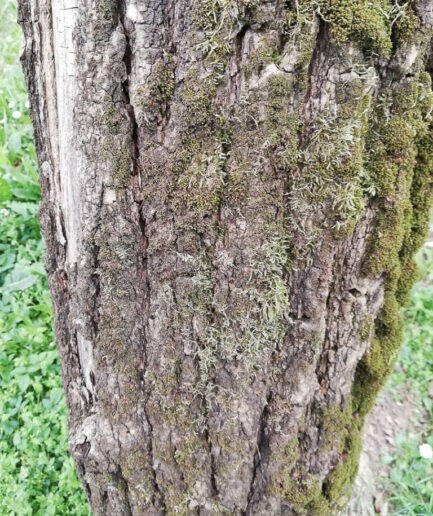
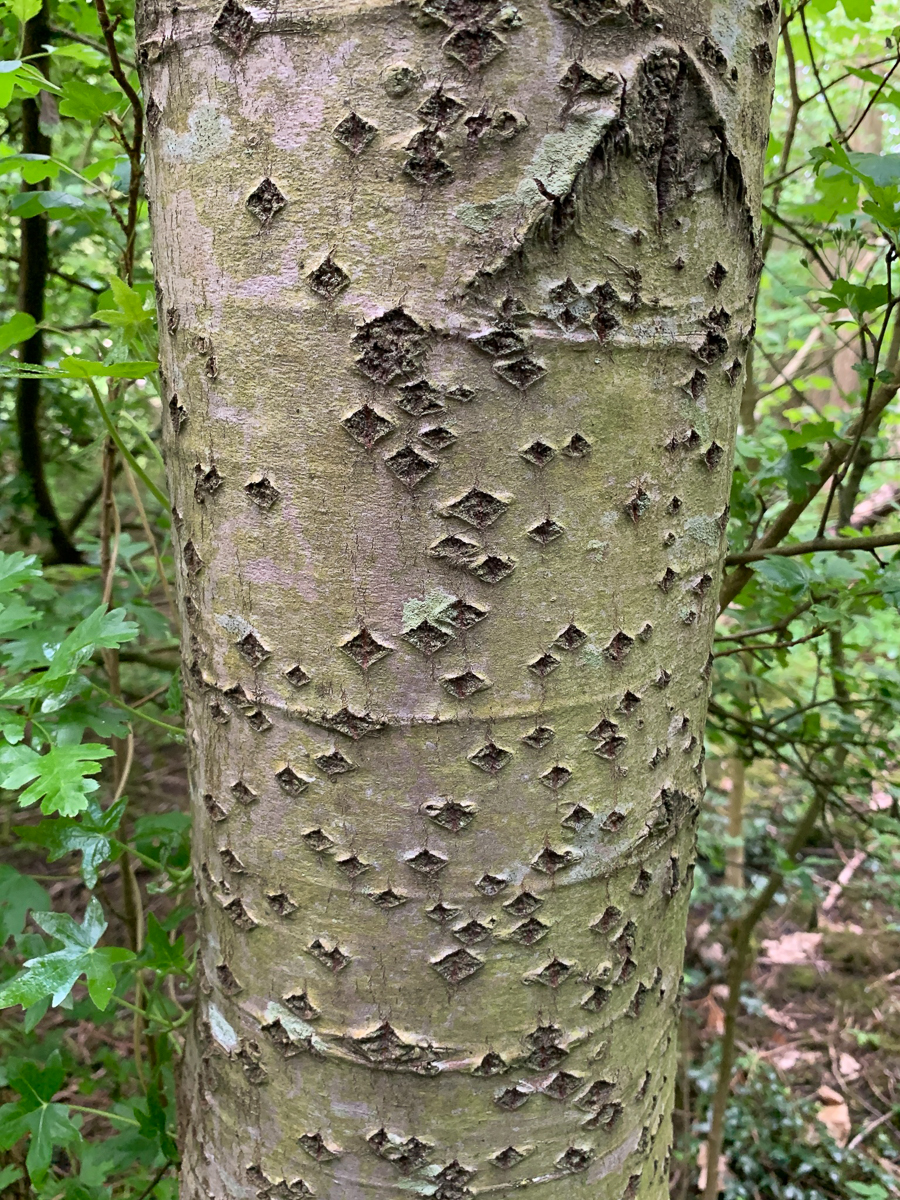
Bark: in young specimens, it is adorned with horizontal rows of dark-colored lenticels. In mature specimens, it is reddish-brown with large longitudinal fissures.
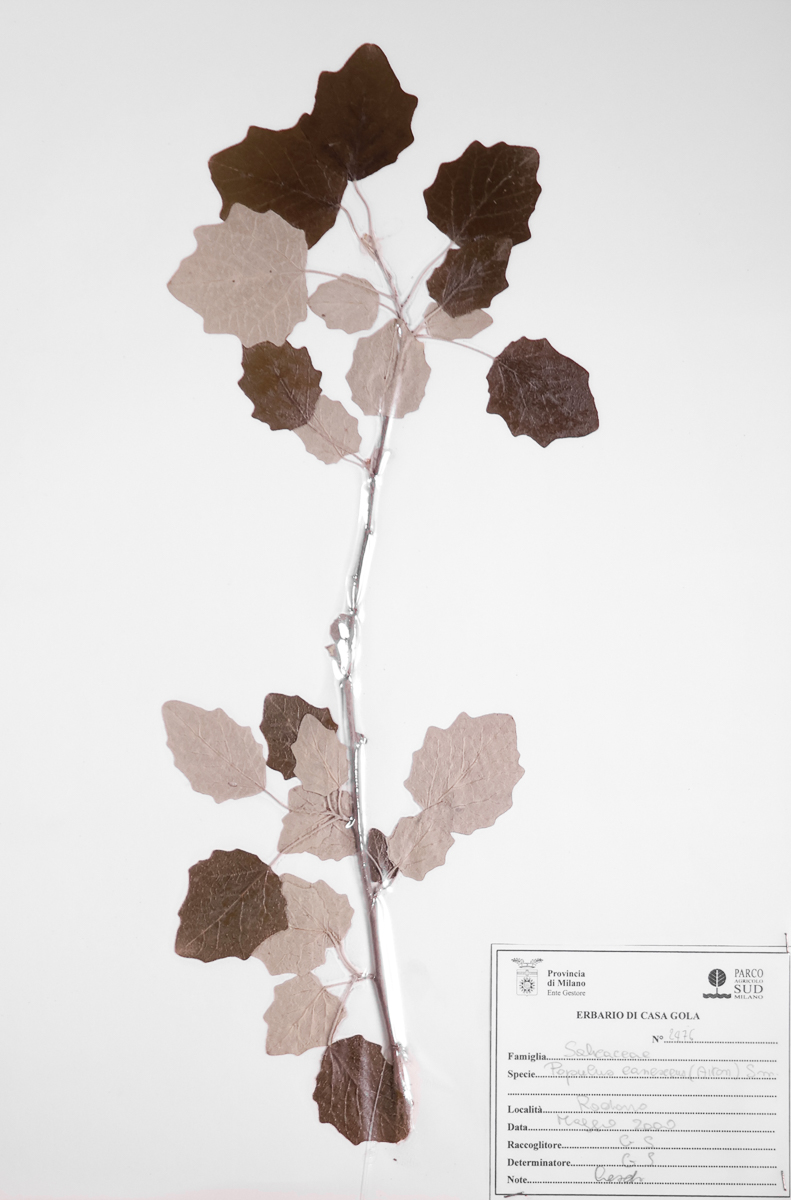
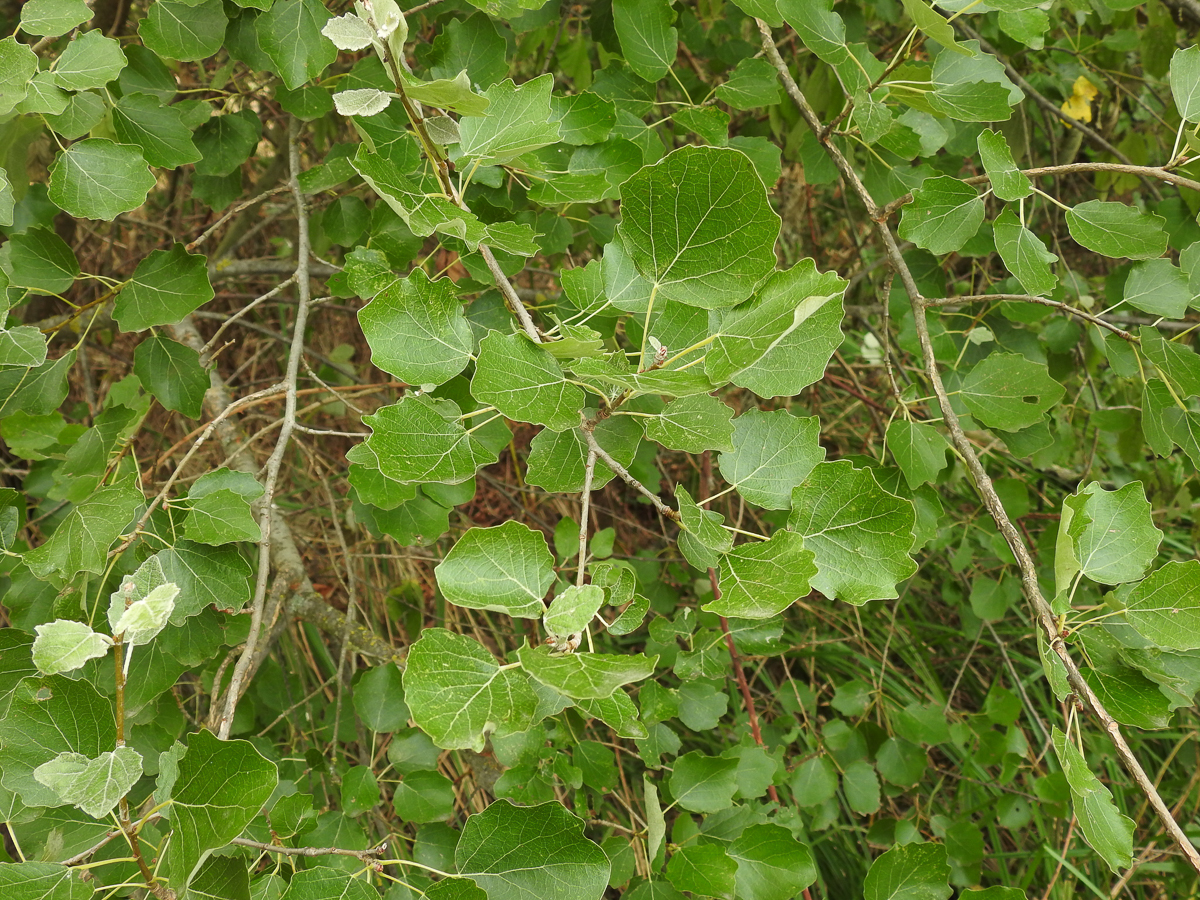
Leaves: ovate or rounded with a pointed apex and coarsely toothed margin. They are green with a grayish pubescence on the lower surface.
Flowers: arranged in pendulous catkin-like inflorescences. The plant is dioecious: male flowers, longer, are borne on separate plants from female ones.
Fruits and seeds: smooth and bivalve capsules. At maturity, they release small, fluffy seeds.
DISTRIBUTION AND HABITAT
Native to Europe and Asia, it is an essential element of floodplain forests. It is found in alluvial and riparian forests or in marshy areas, preferring humus-rich soils. It does not exceed 500 meters in altitude.
USE
Like other poplar species, the wood can be used in the paper industry or for making pallets. It is also cultivated for ornamental purposes in parks and gardens with wetland areas.
INTERESTING FACTS
Grey poplar is a natural hybrid between aspen (Populus tremula) and white poplar (Populus alba).
The scientific epithet, canescens (= becoming white), refers to the grayish pubescence on the lower surface of the leaves.
Photos: under a free license from INaturalist