
Olmo bianco

Nome scientifico: Ulmus laevis Pallas                                                               
Famiglia: Ulmaceae


MORFOLOGIA


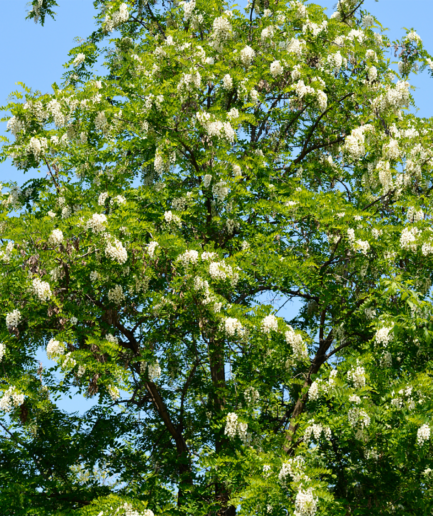
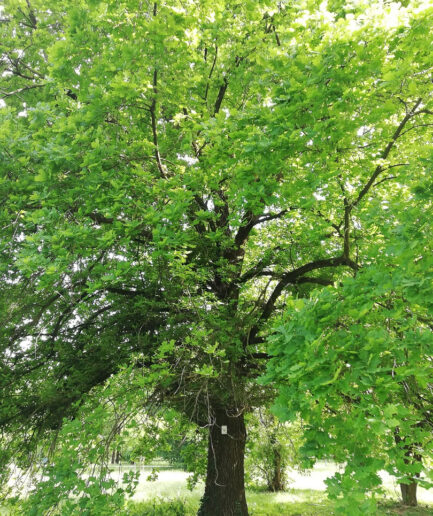
Portamento e dimensioni: albero deciduo che può raggiungere altezze considerevoli, fino a 30 m. Ha chioma ampia e tondeggiante.


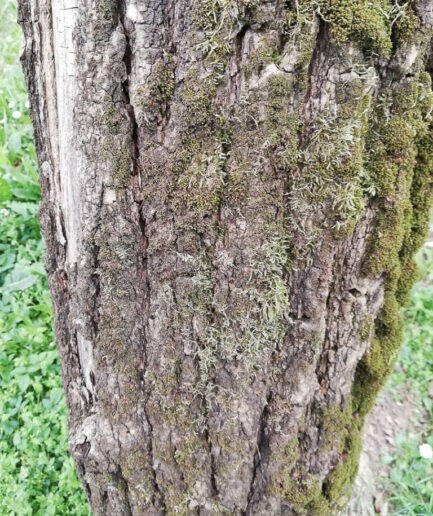
Corteccia: liscia e di colore grigio argentato negli esemplari più giovani. Con il passare degli anni tende a fessurarsi leggermente e a diventare più scura.


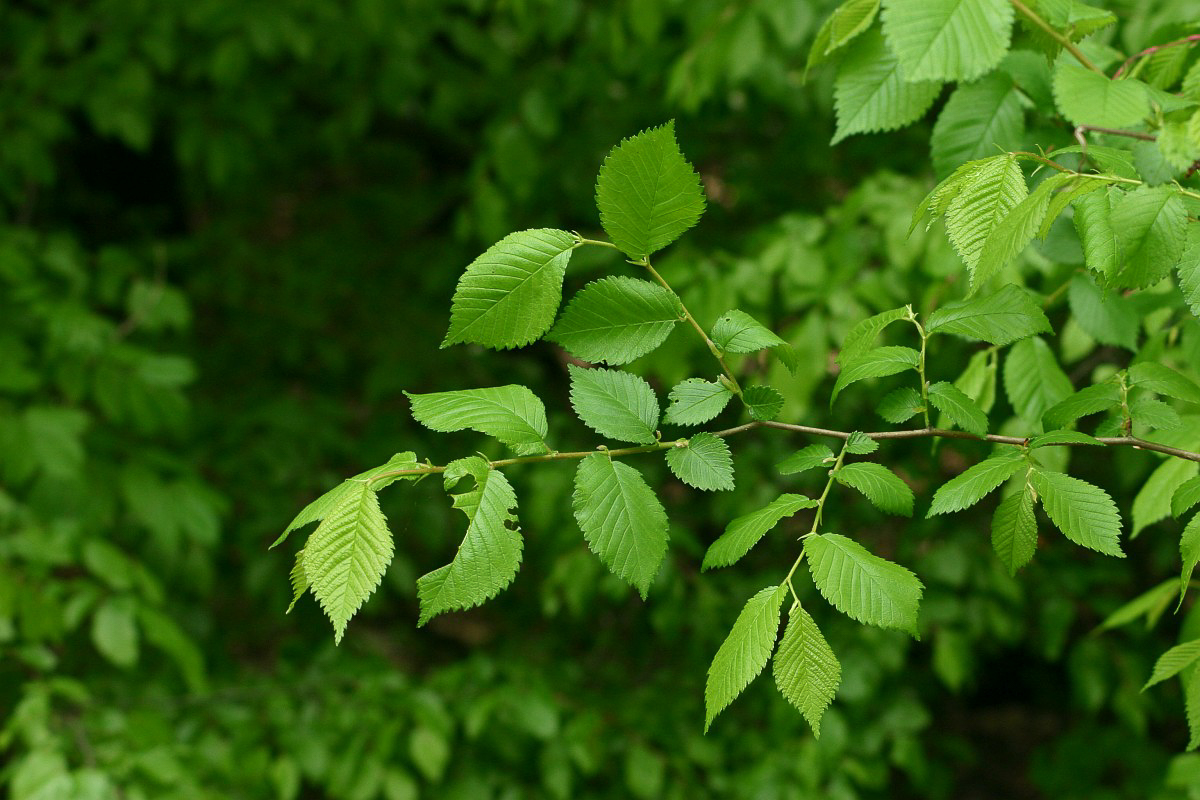
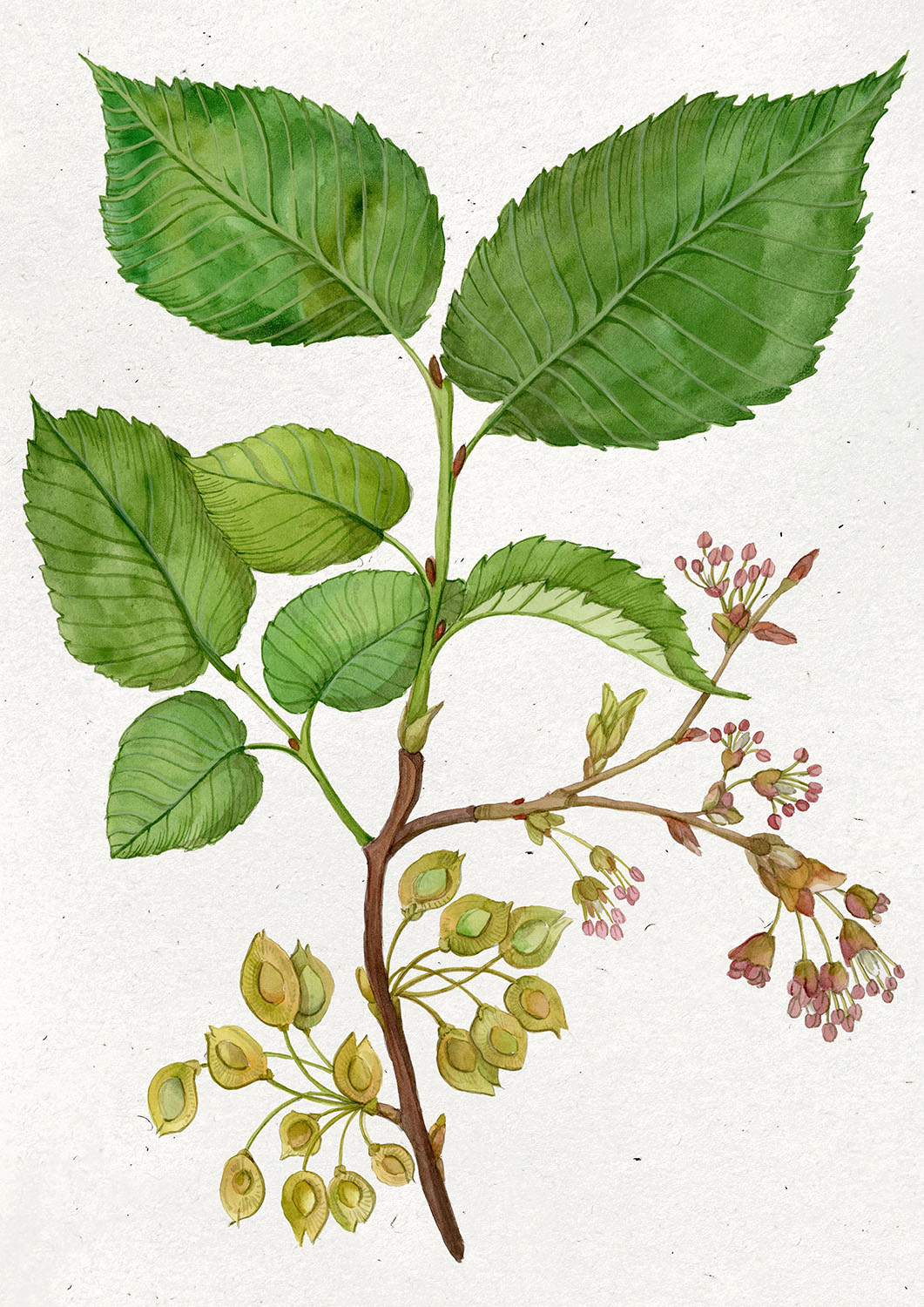
Foglie: ovali e asimmetriche alla base della lamina, con apice appuntito e margine dentellato. La pagina superiore è di colore verde scuro brillante, mentre la pagina inferiore è più chiara e vellutata.


Fiori: riuniti in infiorescenze di colore giallastro, ma privi di petali. Sbocciano all’inizio della primavera, prima della comparsa delle foglie.


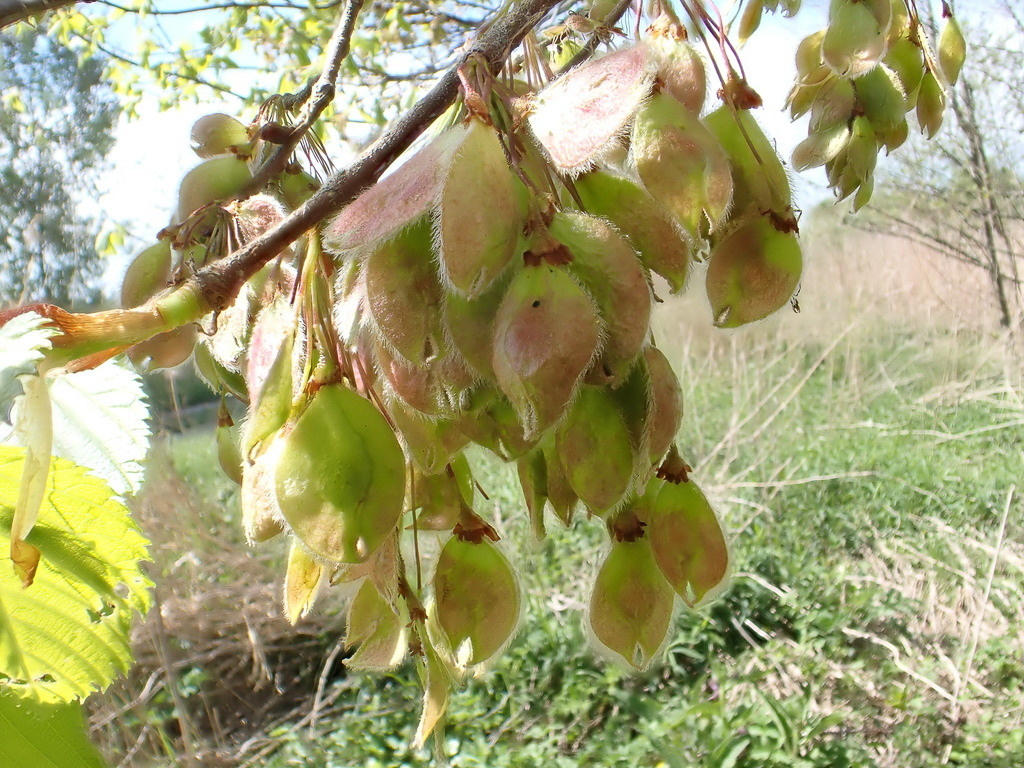
Frutti e semi: samare ovali con margine ciliato e lungo peduncolo, che racchiudono un unico seme rotondo. Anche le samare compaiono precocemente sulla pianta, insieme alle prime foglioline.


DISTRIBUZIONE E HABITAT


Pianta originaria dell’Europa che si ritrova in Italia fino a 500 m di altitudine, nelle regioni più settentrionali. L’olmo bianco cresce soprattutto lungo i corsi d’acqua, nelle pianure alluvionali e nelle zone umide. Può adattarsi anche a terreni argillosi e calcarei.


UTILIZZO


Il legno è di buona qualità e viene impiegato per la costruzione di mobili, travi e strumenti musicali. La pianta viene coltivata anche a scopo ornamentale in parchi e giardini grazie alla sua forma attraente e alla crescita rapida.


CURIOSITÀ


Come altre specie dello stesso genere, la pianta viene colpita dalla grafiosi dell’olmo, malattia fungina che sta causando un declino significativo delle popolazioni di olmi in Europa. La specie è però meno sensibile alla malattia rispetto ad altri olmi.

L’epiteto specifico laevis significa liscio, leggero, senza peli e si rifà alla pagina inferiore delle foglie, vellutata. 

L’olmo bianco viene chiamato anche olmo ciliato per il caratteristico bordo ciliato delle samare. 


Foto: Su licenza gratuita di Saxifraga-Dirk Hilbers e INaturalist

Famiglia

Ulmaceae

Specie

Ulmus laevis Pallas

Tipologia

Albero

Habitat

Boschi e boscaglie, Rive, Zone umide

White elm

Scientific name: Ulmus laevis Pallas
Family name: Ulmaceae


MORPHOLOGY


Growth habit and size: Deciduous tree that can reach considerable heights, up to 30 m. It has a wide and rounded crown.


Bark: Smooth and silver gray in younger specimens. With age, it tends to develop slight fissures and becomes darker.


Leaves: Oval and asymmetrical at the base of the blade, with a pointed apex and serrated margin. The upper surface is dark green and shiny, while the lower surface is lighter and velvety.


Flowers: Gathered in yellowish inflorescences, but devoid of petals. They bloom in early spring, before the appearance of leaves.


Fruits and seeds: Oval samaras with ciliate margins and long peduncles, enclosing a single round seed. The samaras also appear early on the plant, along with the first leaves.


DISTRIBUTION AND HABITAT

Native to Europe, the white elm is found in Italy up to an altitude of 500 m, especially in the northern regions. It primarily grows along watercourses, in floodplains, and in wet areas. It can also adapt to clayey and calcareous soils.


USE

The wood is of good quality and is used for making furniture, beams, and musical instruments. The plant is also cultivated for ornamental purposes in parks and gardens due to its attractive shape and rapid growth.


INTERESTING FACTS


Like other species of the same genus, the plant is affected by Dutch elm disease, a fungal disease causing a significant decline in elm populations across Europe. However, this species is less susceptible to this disease compared to other elms.

The specific epithet laevis means smooth, light, without hairs, and refers to the underside of the leaves, which is velvety.

The white elm is also called ciliated elm due to the characteristic ciliate edge of the samaras.

Photo: Used under the free license of Saxifraga-Dirk Hilbers
Famiglia

Ulmaceae

Specie

Ulmus laevis Pallas

Tipologia

Albero

Habitat

Boschi e boscaglie, Rive, Zone umide