
Nardo selvatico

Nome scientifico: Asarum europaeum L.

Famiglia: Aristolochiaceae   


MORFOLOGIA


Portamento e dimensioni: pianta  perenne erbacea, alta fino a 20 cm. Rizoma bruno sotterraneo. 


Fusto: fusto strisciante e contorto, provvisto di squame brunastre.   


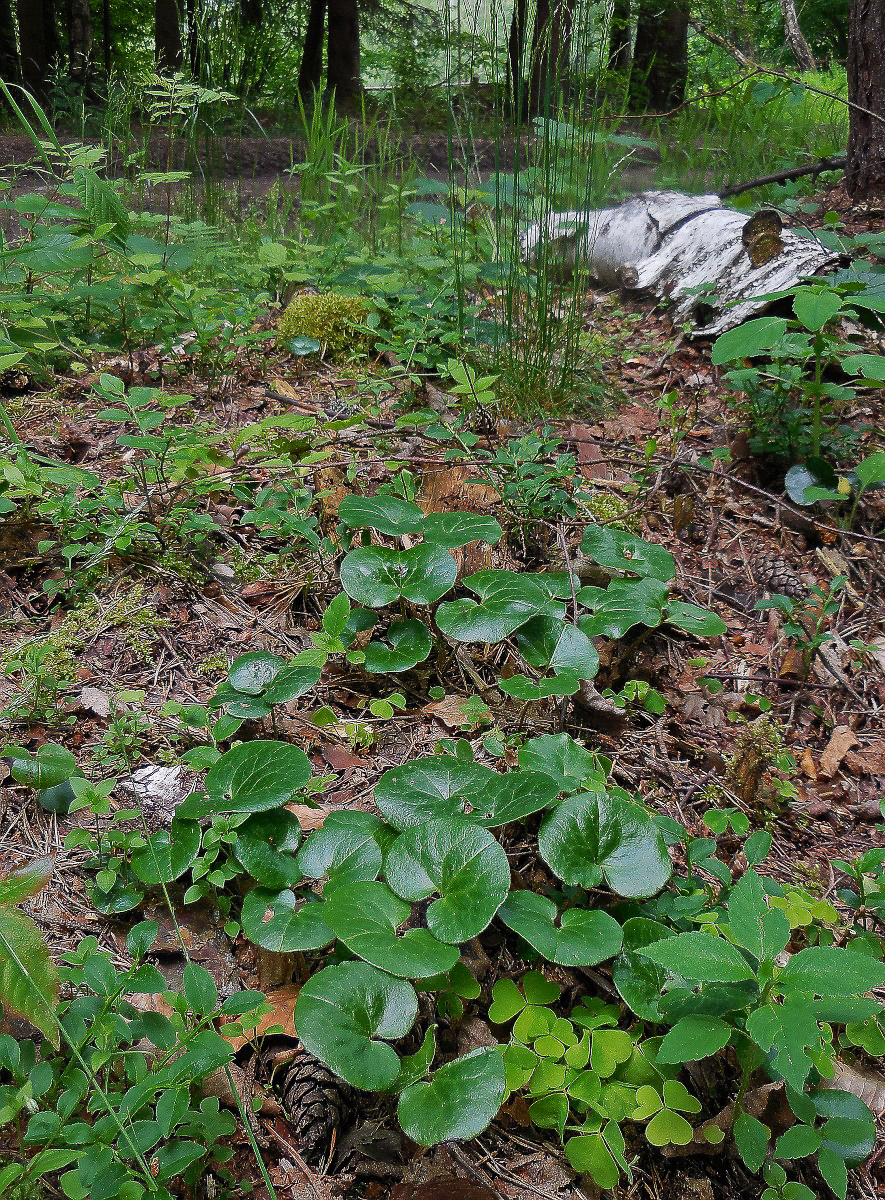
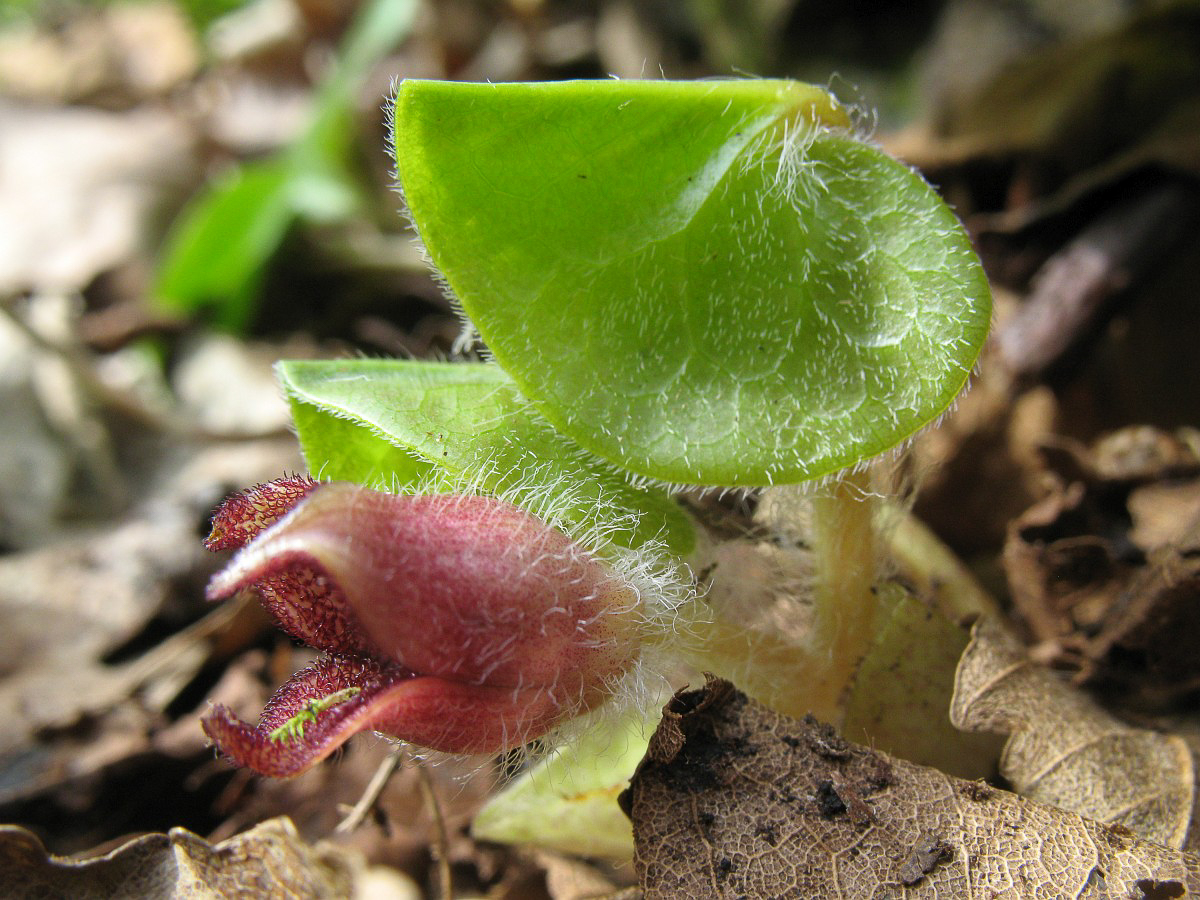
Foglie: le foglie sempreverdi, larghe 3-10 cm, hanno picciolo eretto, scanalato di sopra, lanoso per peli rossastri. Lamina reniforme piuttosto coriacea, finemente pubescente sul bordo, glabra sulle facce, di colore verde scuro lucente, di sotto più chiara e con nervi reticolati. Margine intero, apice arrotondato. 


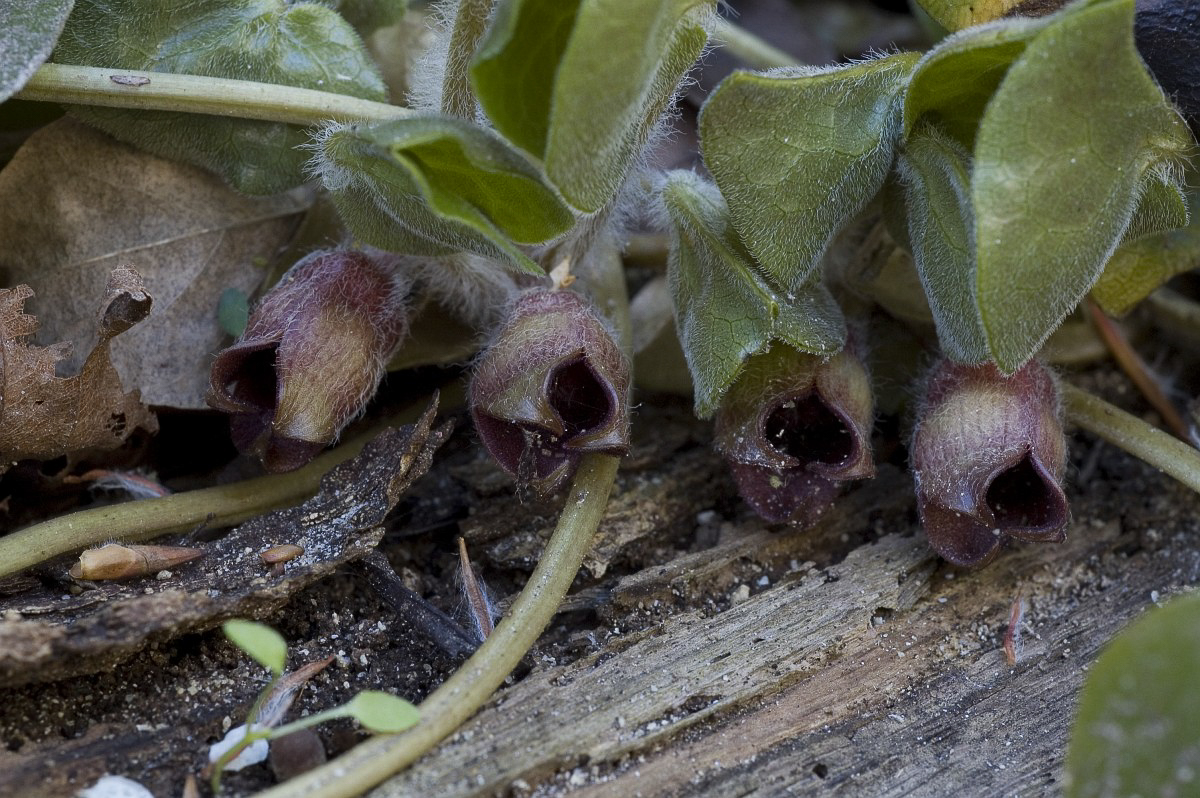
Fiori: i fiori brevemente picciolati spuntano solitari poco sopra la superficie del terreno. Perianzio campanulato lungo 1 – 1,5 cm, brunastro all’esterno e porporino all’interno con tre lobi uguali tra di loro. Fiorisce da febbraio a maggio.


Frutti e semi: Il frutto è una capsula ovale e pelosa.   


DISTRIBUZIONE E HABITAT


Diffusa in tutta Italia tranne le isole maggiori e la Puglia. Vive nei boschi di latifoglie e, meno frequentemente, in quelli di conifere e nelle boscaglie riparie. Vegeta da 0 a 1000 m.


UTILIZZI


E’ una specie velenosa. L’olio essenziale contenuto soprattutto nella radice è ricco di sostanze tossiche vescicatorie sulla pelle. Se accidentalmente ingerito provoca vomito, diarrea e gravi avvelenamenti. Fortunatamente il sapore aspro e bruciante ne scoraggia l’assunzione.

Anche se oggi il suo utilizzo in erboristeria è molto ridotto il baccaro veniva usato già dagli antichi Greci. Le radici e le foglie hanno infatti proprietà lassative, ematiche, stimolanti, toniche ed espettoranti. L’elevata tossicità della pianta ne sconsiglia però l’uso. Prima di assumere qualsiasi prodotto di origine vegetale (farmaco o non farmaco) per fini terapeutici o simil-terapeutici, è sempre opportuno rivolgersi preventivamente al proprio medico.


CURIOSITÀ


Il seme dell’Asarum europaeum è rivestito da una sostanza spugnosa molto ricercata dalle formiche che facilitano così la disseminazione della pianta. 


Foto: su licenza gratuita di Saxifraga e Ed Stikvoort, Rutger Barendse

Famiglia

Aristolochiaceae

Specie

Asarum europaeum L.

Tipologia

Pianta erbacea

Habitat

Boschi e boscaglie

European Wild Ginger


Scientific name: Asarum europaeum L.
Family: Aristolochiaceae


MORPHOLOGY


Habit and dimensions: Perennial herbaceous plant, up to 20 cm tall. Underground rhizome is brown.


Stem: Creeping and contorted stem, provided with brownish scales.


Leaves: Evergreen leaves, 3-10 cm wide, with an upright, grooved petiole, woolly due to reddish hairs. Reniform, rather leathery leaf blade, finely pubescent on the edge, glabrous on the surfaces, shiny dark green above, lighter below with reticulated veins. Entire margin, rounded apex.


Flowers: The shortly stalked flowers emerge solitary just above the ground surface. Campanulate perianth 1 – 1.5 cm long, brownish on the outside and purple on the inside with three equal lobes. Blooms from February to May.


Fruits and seeds: The fruit is an oval and hairy capsule.


DISTRIBUTION AND HABITAT


Widespread throughout Italy except for the major islands and Apulia. It lives in broad-leaved forests, less frequently in coniferous forests and riparian thickets. It grows from 0 to 1,000 m.


USE


It is a poisonous species. The essential oil contained mainly in the root is rich in vesicatory toxic substances on the skin. If accidentally ingested, it causes vomiting, diarrhea, and severe poisoning. Fortunately, its sour and burning taste discourages ingestion. Although its use in herbal medicine is now very limited, the root and leaves have laxative, emetic, stimulating, tonic, and expectorant properties. However, the high toxicity of the plant discourages its use. Before taking any plant-based product (medicinal or non-medicinal) for therapeutic or similar purposes, it is always advisable to consult a doctor.


INTERESTING FACTS


The seed of Asarum europaeum is coated with a spongy substance highly sought after by ants, thus facilitating the dissemination of the plant.


Photo: Under a free license from Saxifraga, Ed Stikvoort, Rutger Barendse

Famiglia

Aristolochiaceae

Specie

Asarum europaeum L.

Tipologia

Pianta erbacea

Habitat

Boschi e boscaglie