
Couch Grass
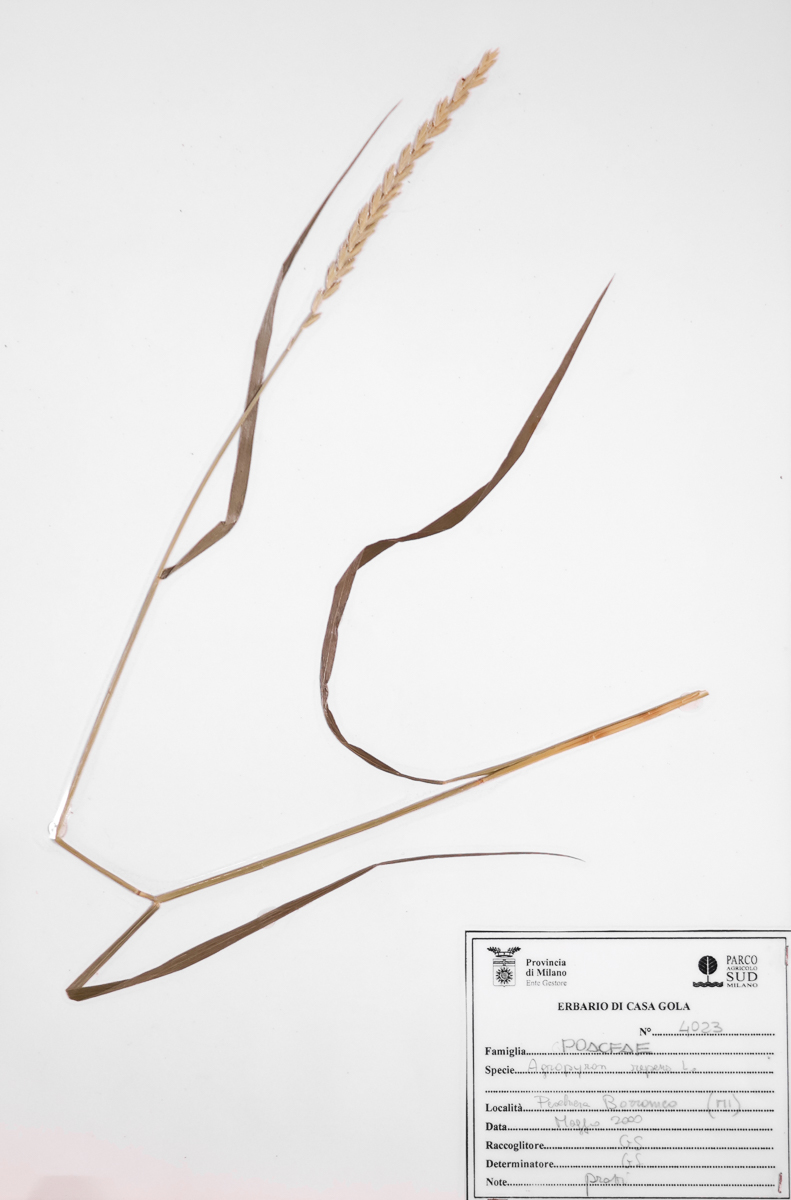
Scientific Name: Elymus repens (L.) Gould
Family: Poaceae
MORPHOLOGY
Growth habit and size: These are perennial herbaceous plants with underground buds; during unfavorable seasons, they do not have aerial organs, and the buds are found in underground organs. They reach a height of 80-120 cm.
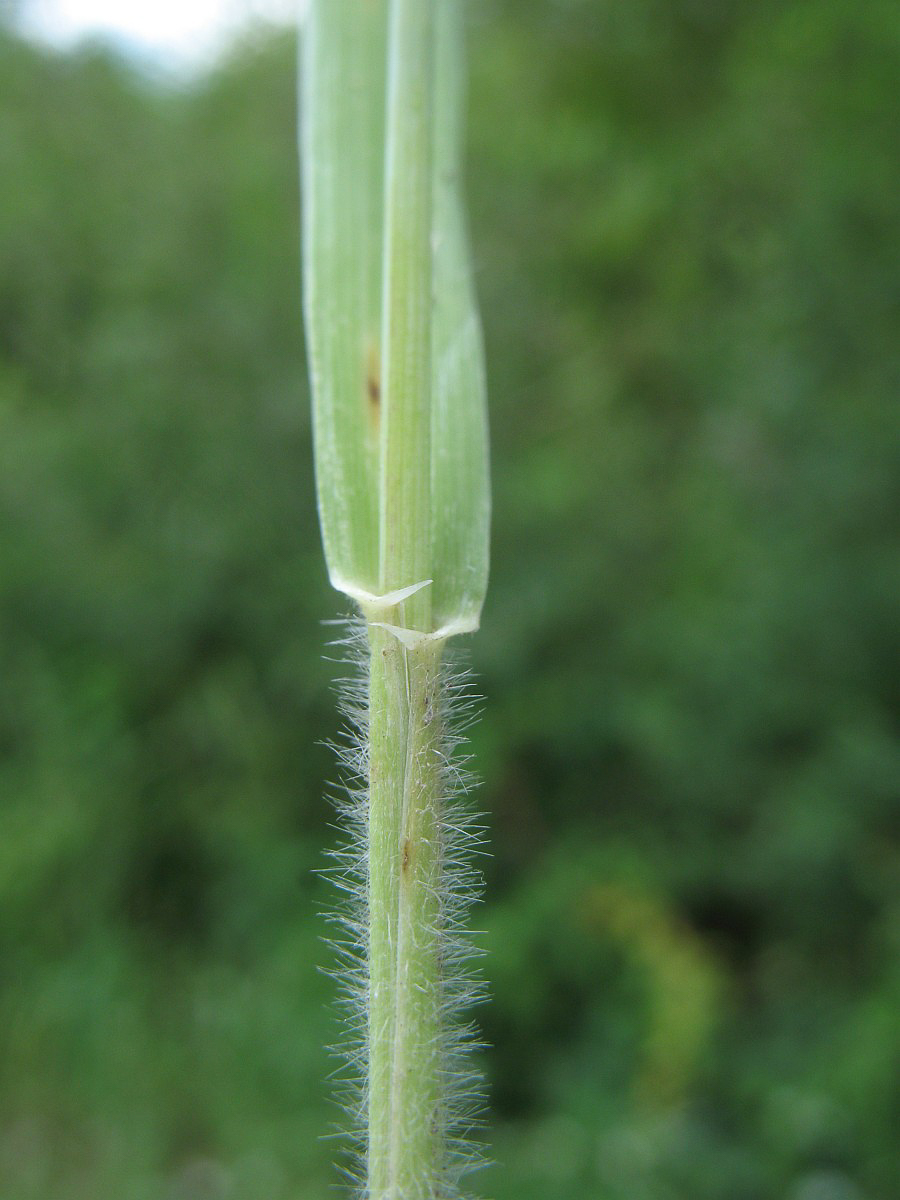
Stem: Ascending stem, bent at the base. The nodes are elongated (4-7 mm long).
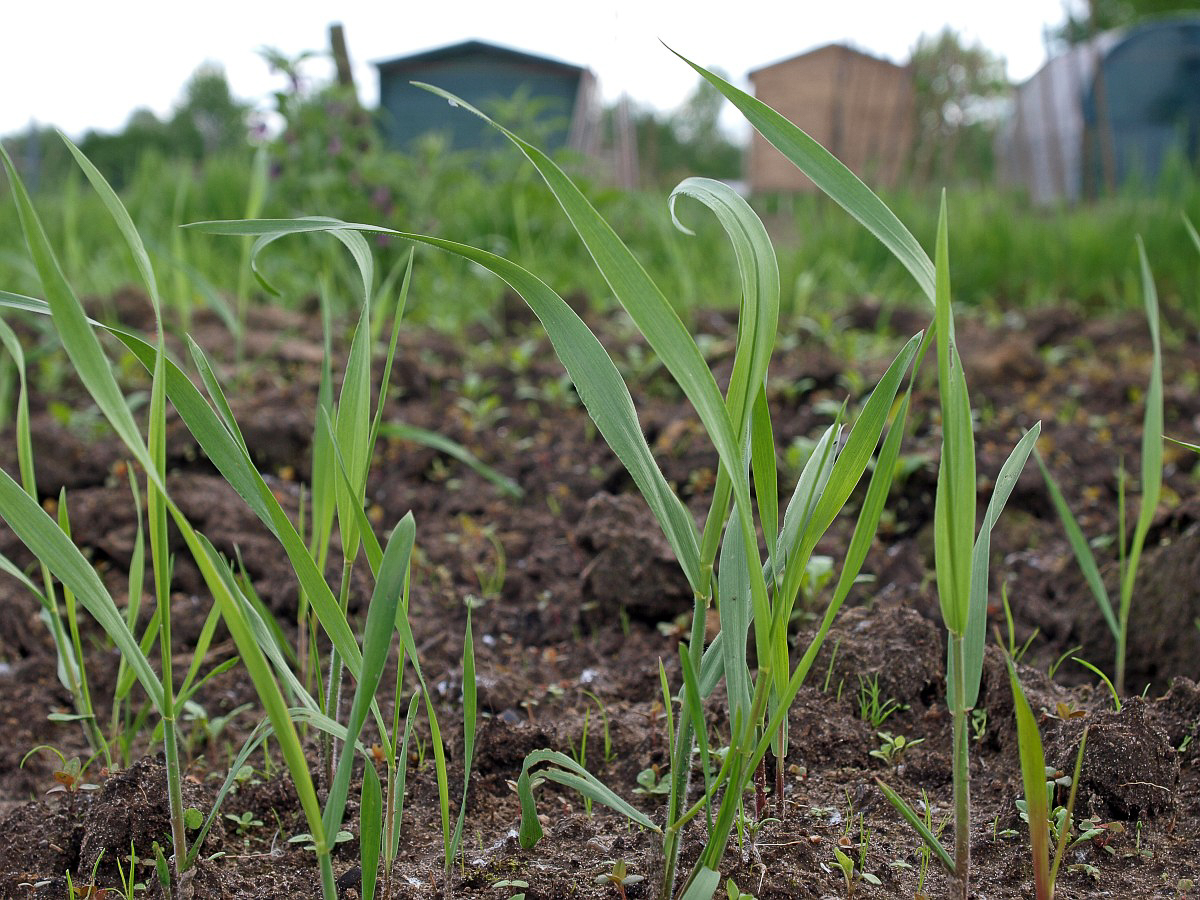
Leaves: Arranged alternately with sheaths embracing the stem (curved auricle lobes may be present), the ligule is absent, and the blade is linear. Leaf blade dimensions: width up to 8-9 mm; length 6-30 cm.
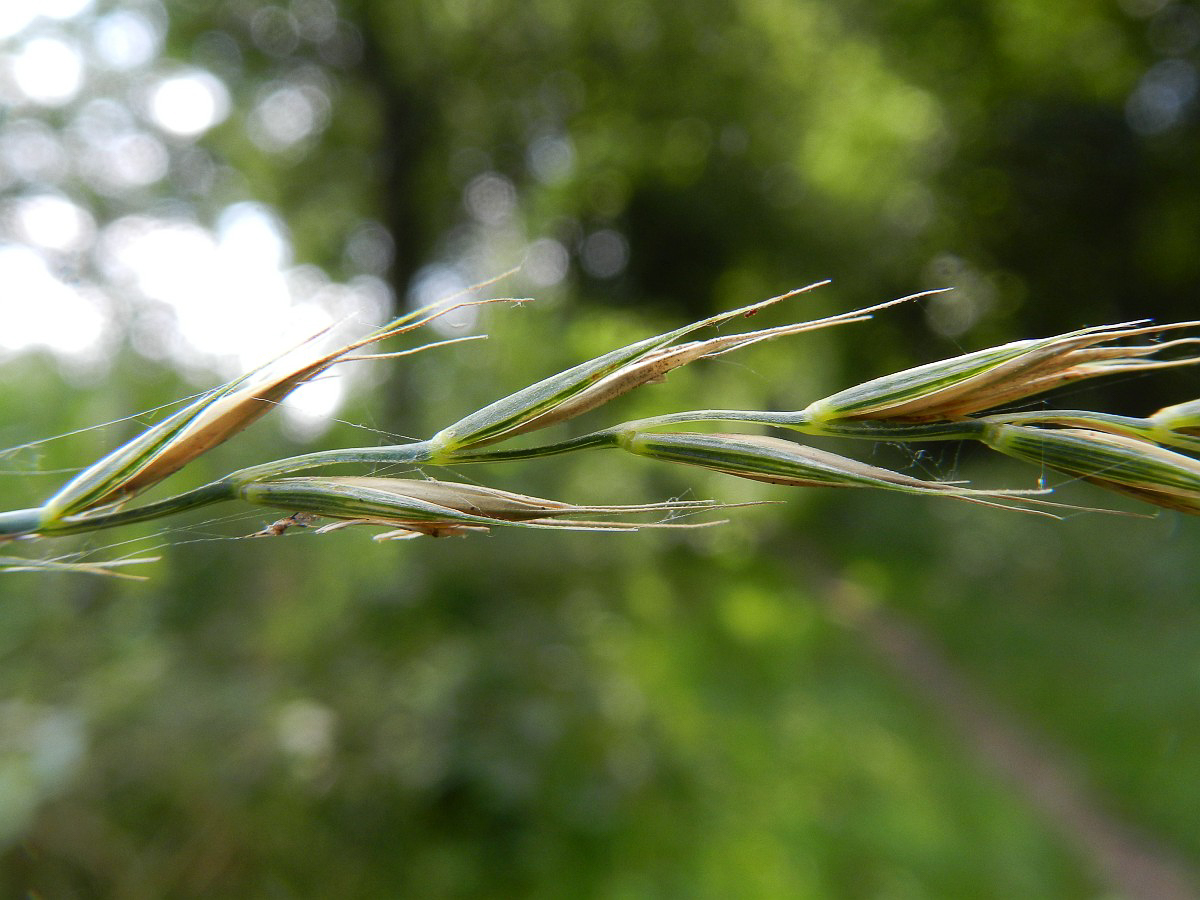
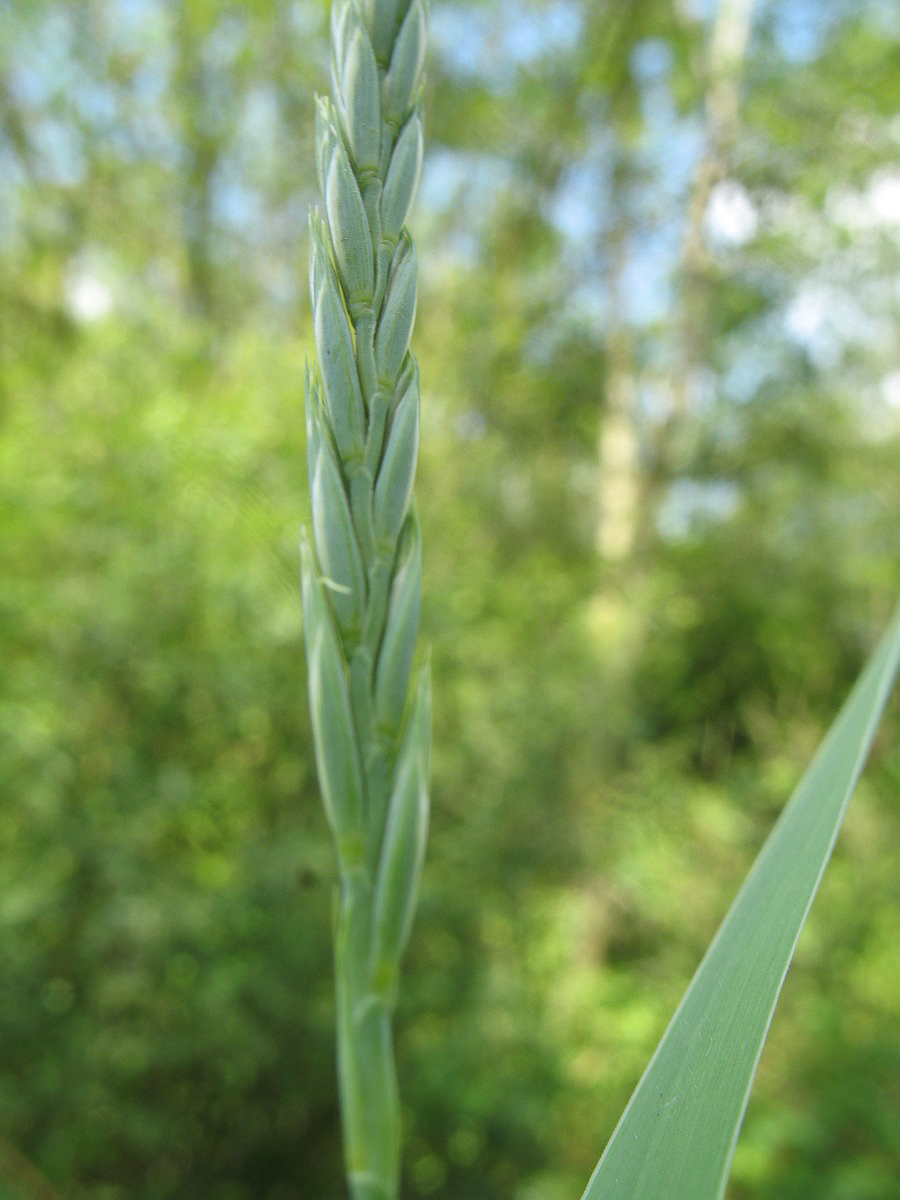
Flowers: The main inflorescence is terminal and racemose, shaped like a linear spike composed of several spikelets. The spikelets are sessile, closely imbricated. The fertile flowers are actinomorphic and formed by 3 verticils. It blooms from April to July.
Fruits and seeds: The fruits are caryopses, which are small, indehiscent grains, ranging from ovate to oblong in shape.
DISTRIBUTION AND HABITAT
Widespread throughout Italy from sea level up to 1,400 m and rarely beyond. It prefers fallow lands, roadsides, fields, and dry meadows.
USE
Also known as dog’s tooth, for its therapeutic properties, it is also known as “doctors’ couch grass”. It is still used as a diuretic, anti-inflammatory, and in the treatment of cystitis. The stolons are used to make infusions or as dry extracts. Before taking any plant-based product (medicinal or non-medicinal) for therapeutic or similar purposes, it is always advisable to consult a doctor.
INTERESTING FACTS
This species has been used in herbal medicine since classical Greece. Sick dogs are known to dig up and eat its roots, and medieval herbalists used it to treat bladder inflammation, painful urination, and fluid retention. The dried rhizomes were broken and used as incense during the Middle Ages in Northern Europe, where other types of resin-based incense were not available. It has naturalized in much of the world and is often considered a weed. It is difficult to remove from gardening environments. One method is to dig deeply into the soil to remove as many roots as possible, as the long white rhizomes dry up and die if left on the surface and exposed to sunlight.
Photo: Under a free license from Saxifraga, Hans Dekker, Rutger Barendse.