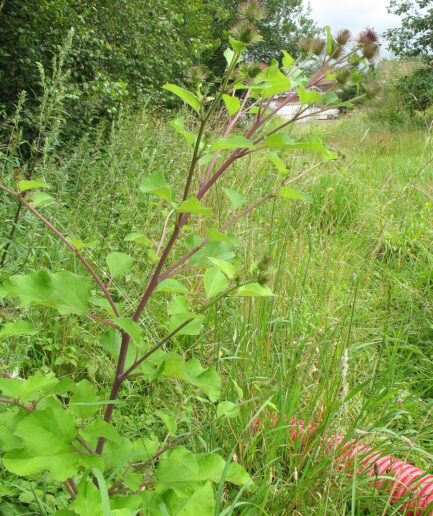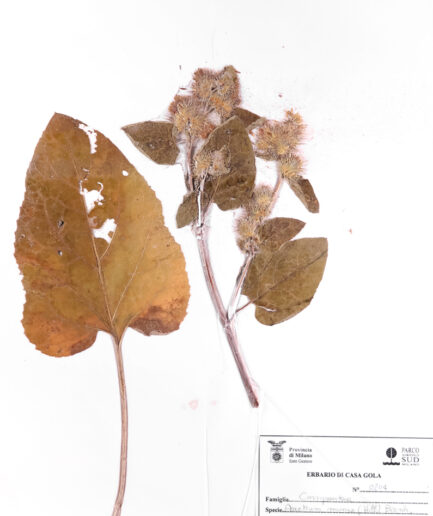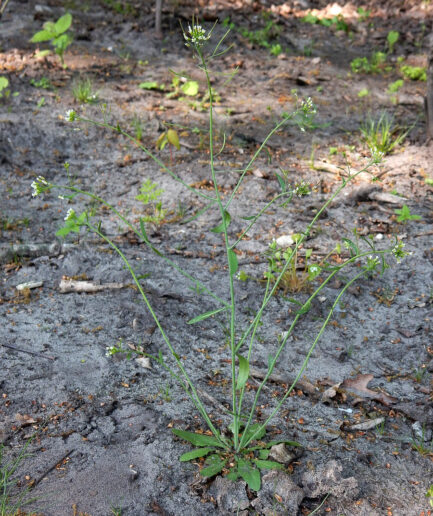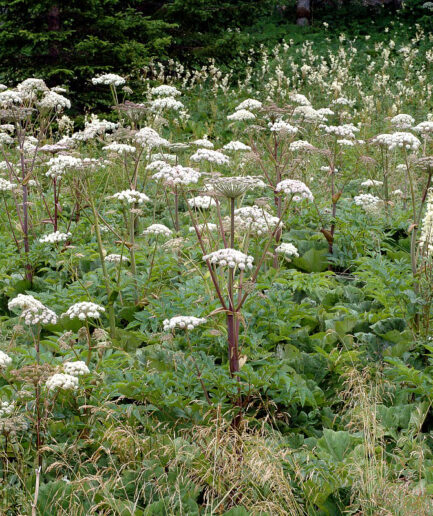



Lucerne
Scientific Name: Medicago sativa L.
Family: Fabaceae
MORPHOLOGY
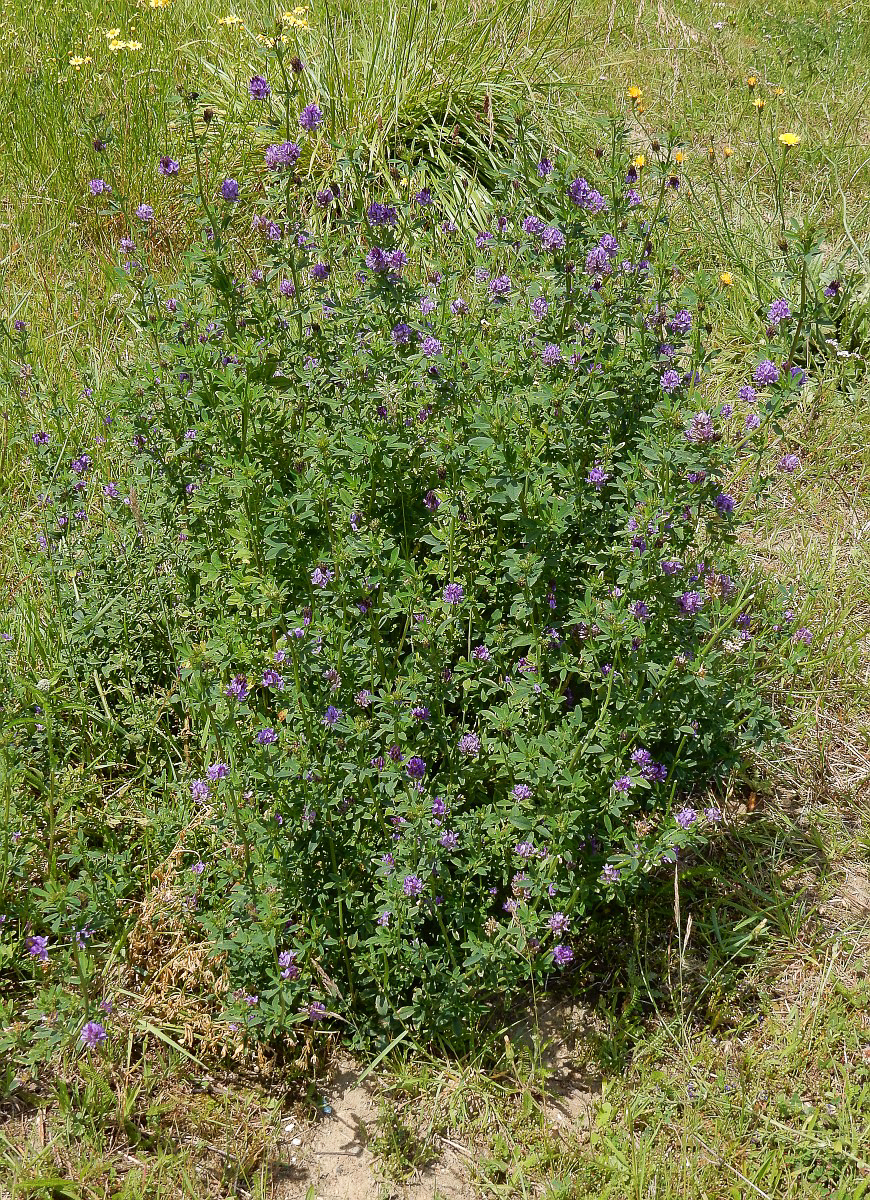
Habit and Size: Perennial herbaceous plant with underground rhizomes; its roots are on average 3÷6 m long, reaching heights of 30-80 cm.
Stems: Erect, branched stems rich in numerous lateral shoots, from which new stems originate after cutting.
Leaves: Leaves with linear, oblong stipules, alternate, trifoliate, with dentate margins and truncate-mucronate apices; the middle leaflet has a short rachis.
Flowers: Flowers are violet-blue but can also be dark purple or rarely whitish, borne in racemes in the leaf axils, pentapetalous; the 2 lower petals, more or less fused together, form the keel, with 2 lateral petals and the fifth petal, called the standard or banner, having a darker vein. Blooms from April to July.
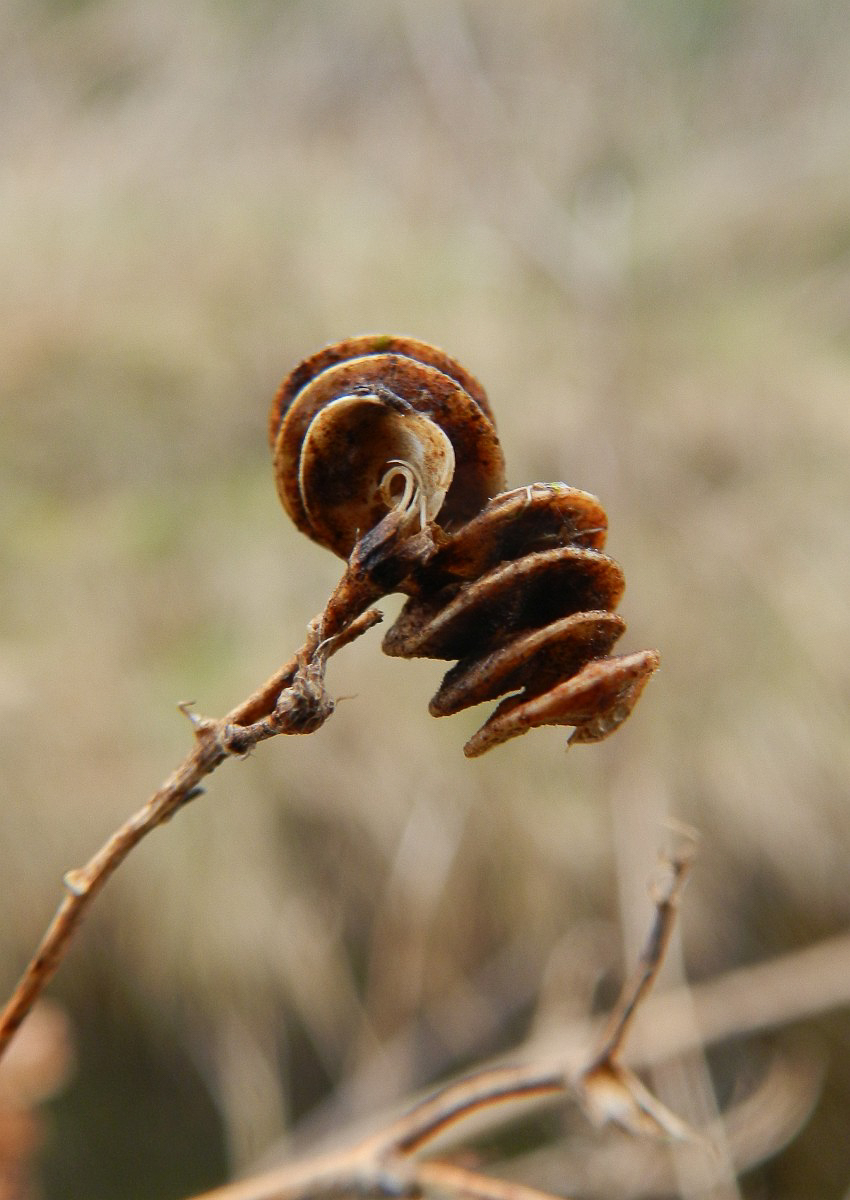
Fruits and Seeds: The fruits are spirally coiled legumes with 2-3 whorls, reticulated and pubescent on the surface, containing numerous shiny seeds.
DISTRIBUTION AND HABITAT
Naturalized allochthonous species present throughout Italy, in dry meadows, fallow lands, grassy areas, and at field edges, generally from sea level to 1,200 m, exceptionally up to 1,900 m.
USE
Medicago sativa, also known as alfalfa, is known for its sweet taste and numerous health benefits. It acts as an astringent, refreshing agent, depurative, antihemorrhagic, and diuretic. It stimulates appetite and lowers blood cholesterol levels. Its effects are particularly noticeable on the circulatory and urinary systems and hormone balance. Rich in vitamins and minerals, it is a restorative and preventive remedy. Taken before meals, it facilitates gastrointestinal activity; taken after meals, it enhances nutrient absorption. Useful during convalescence, in the treatment of anemia, hemorrhages, osteoporosis, menopausal disorders, fibroids, and other hormonal imbalances. It prevents high cholesterol, exhibits protective effects against degenerative diseases, acts as a general tonic by removing toxins from the blood, and strengthens nails and hair. Before consuming any plant-based product (medicinal or non-medicinal) for therapeutic or similar purposes, it is always advisable to consult a healthcare professional.
In the culinary field, its leaves can be consumed raw or cooked as a vegetable, while the seeds are sprouted and used to flavor salads. Bower, an American, dedicated years of study to alfalfa as a human food source. It is possible to make bread from it, and the leaves can be used to prepare tea. It is a commercial source of chlorophyll, carotene, and vitamin K.
This plant is one of the main cultivated plant species worldwide and is used both in animal husbandry as a fodder crop, for silage, to produce dehydrated flour, and in agriculture in the practice of green manure (the incorporation of specific crops to maintain or increase soil fertility). It is also an excellent honey plant, with large productions especially in the Po Valley.
Alfalfa should only be given to livestock when dried; otherwise, it could cause bloating. As forage, it is the most used species among the Fabaceae, due to its high protein and vitamin content, high palatability, and various preservation methods.
It is a nitrogen-fixing plant, so its cultivation naturally enriches the soil with nitrogen, after depletion caused by previous crops.
Its success is also due to the characteristics of its reproductive cycle: it is capable of self-pollination and produces seeds just three months after sowing.
INTERESTING FACTS
This plant is believed to originate from Persia and was introduced to Europe by Alexander the Great’s soldiers around 470 B.C. In Italy, it arrived between 200 and 150 B.C., and its qualities were praised by Latin writers. Subsequently, during the period of barbarian invasions, its cultivation in Europe was almost abandoned, so much so that in Italy, it remained almost unknown until 1500 when it was reintroduced with seeds imported from Spain (hence the common name “erba Spagna” or Spanish grass), where it was again spread by the Arabs. Alfalfa can be mown up to 5 times in a season to produce hay, thus transforming the agricultural potential of areas with poor grazing.
Photo: Licensed for free use by Saxifraga, Ed Stikvoort, Rutger Barendse, Jan van der Straaten.