
Equiseto ramosissimo

Nome scientifico: Equisetum ramosissimum Desf.

Famiglia: Equisetaceae 


MORFOLOGIA 


Portamento e dimensioni: Pteridofita perenne  con rizoma strisciante, sottile, di colore bruno scuro.


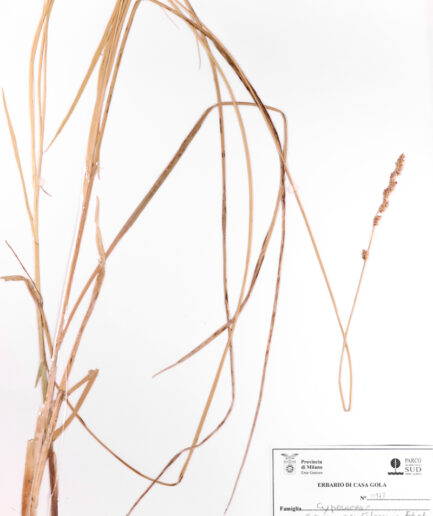
Fusto: fusti alti 10-100 (200) cm, omomorfi, gracili, con diametro che varia da 3 a 9 mm, semplici o ramosi o variamente cespitosi, a volte con sfumature grigiastre; presentano 8-20 solchi profondi e cavità centrale che misura circa la metà del diametro. I rami, quando sono presenti, hanno il primo internodio più breve della guaina adiacente. 


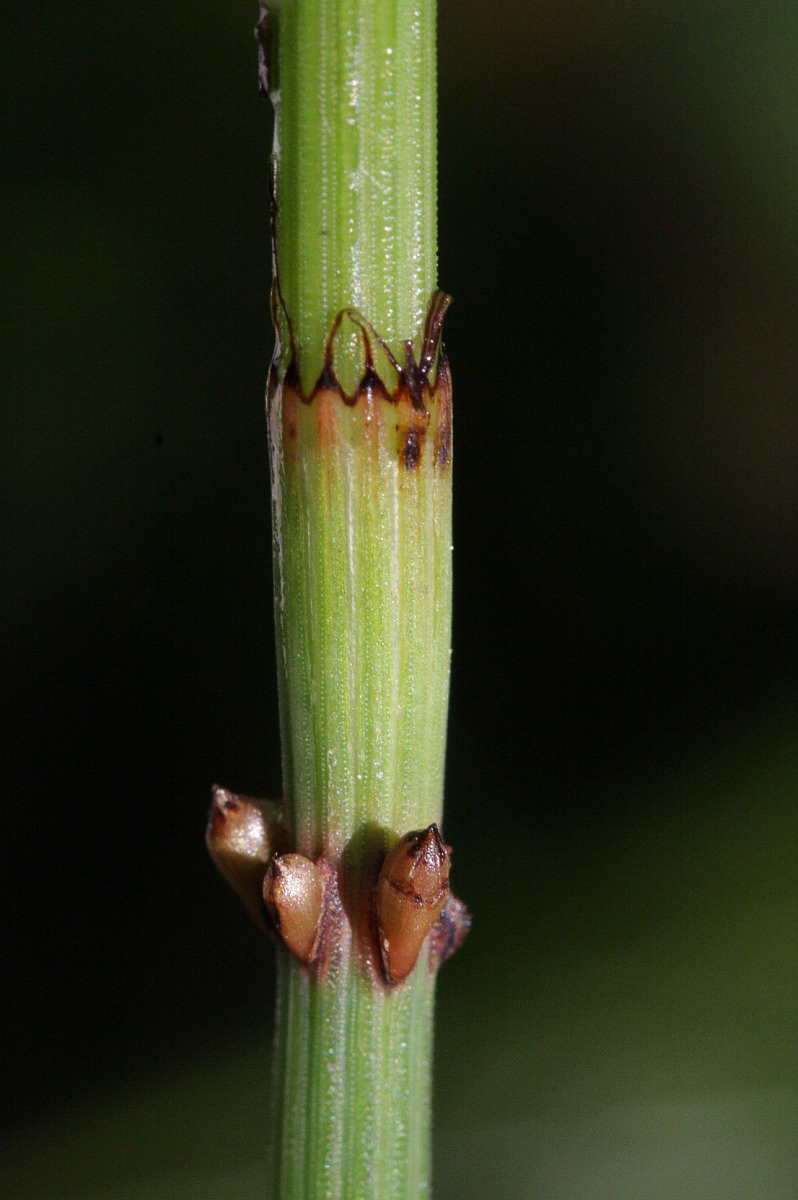
Foglie: le foglie piccole e squamose formano una guaina alla base degli internodi lunga e stretta e solitamente allargata nella parte superiore, di colore verdastro più o meno bordate di scuro verso l’apice. Denti con appendice sottile parzialmente persistente con stretto margine scarioso.


Fiori: non hanno fiori


Frutti e semi: strobilo (o spiga) terminale mucronato lungo fino a 15 mm, formato da sporofilli a scudo ai quali sono inseriti gli sporangi dove si sviluppano le spore; dopo la sporificazione i fusti si seccano e rimangono presenti per tutto l’inverno. Spore prodotte da gennaio a ottobre.


DISTRIBUZIONE E HABITAT


Cresce in tutta Italia nei luoghi sabbiosi o ciottolosi, generalmente poco ombrosi, argini fluviali, terrazzamenti erbosi umidi, massicciate ferroviarie e strade urbane. da 0 a 1.500 m


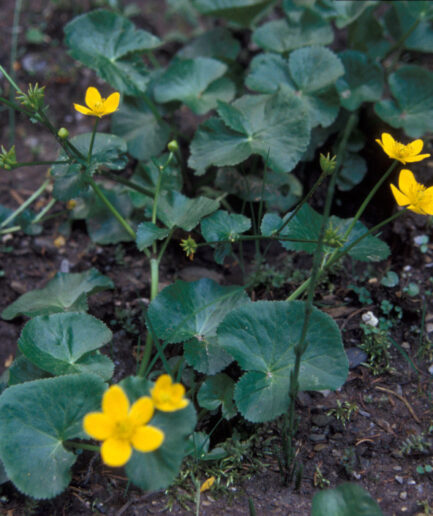
Foto: su licenza gratuita di Saxifraga e Ed Stikvoort, Rutger Barendse

Famiglia

Equisetaceae

Specie

Equisetum ramosissimum Desf.

Tipologia

Pianta erbacea

Habitat

Aree antropizzate, Rive, Zone umide

Branched Horsetail


Scientific Name: Equisetum ramosissimum Desf.
Family: Equisetaceae


MORPHOLOGY


Habit and Size: Perennial pteridophyte with a creeping, slender, dark brown rhizome.


Stem: Stems are 10-100 (200) cm tall, homomorphic, slender, with a diameter ranging from 3 to 9 mm, simple or branched or variously tufted, sometimes with grayish hues; they have 8-20 deep grooves and a central cavity that measures about half of the diameter. When present, the branches have the first internode shorter than the adjacent sheath.


Leaves: The small, scaly leaves form a long and narrow sheath at the base of the internodes, usually widened at the top, greenish less or more dark-edged towards the apex. Teeth with a partially persistent thin appendix with a narrow scarious margin.


Flowers: They do not have flowers.


Fruits and Seeds: Terminal strobilus (or spike) mucronate, up to 15 mm long, formed by shield sporophylls to which the sporangia are attached, where the spores develop; after sporulation, the stems dry up and remain present throughout the winter. Spores produced from January to October.


DISTRIBUTION AND HABITAT


It grows throughout Italy in sandy or gravelly places, generally not very shady, riverbanks, moist grassy terraces, railway embankments, and urban roadsides. From 0 to 1500 m.


Photo: Provided under a free license by Saxifraga and Ed Stikvoort, Rutger Barendse.


Famiglia

Equisetaceae

Specie

Equisetum ramosissimum Desf.

Tipologia

Pianta erbacea

Habitat

Aree antropizzate, Rive, Zone umide