


Branched Horsetail
Scientific Name: Equisetum ramosissimum Desf.
Family: Equisetaceae
MORPHOLOGY
Habit and Size: Perennial pteridophyte with a creeping, slender, dark brown rhizome.
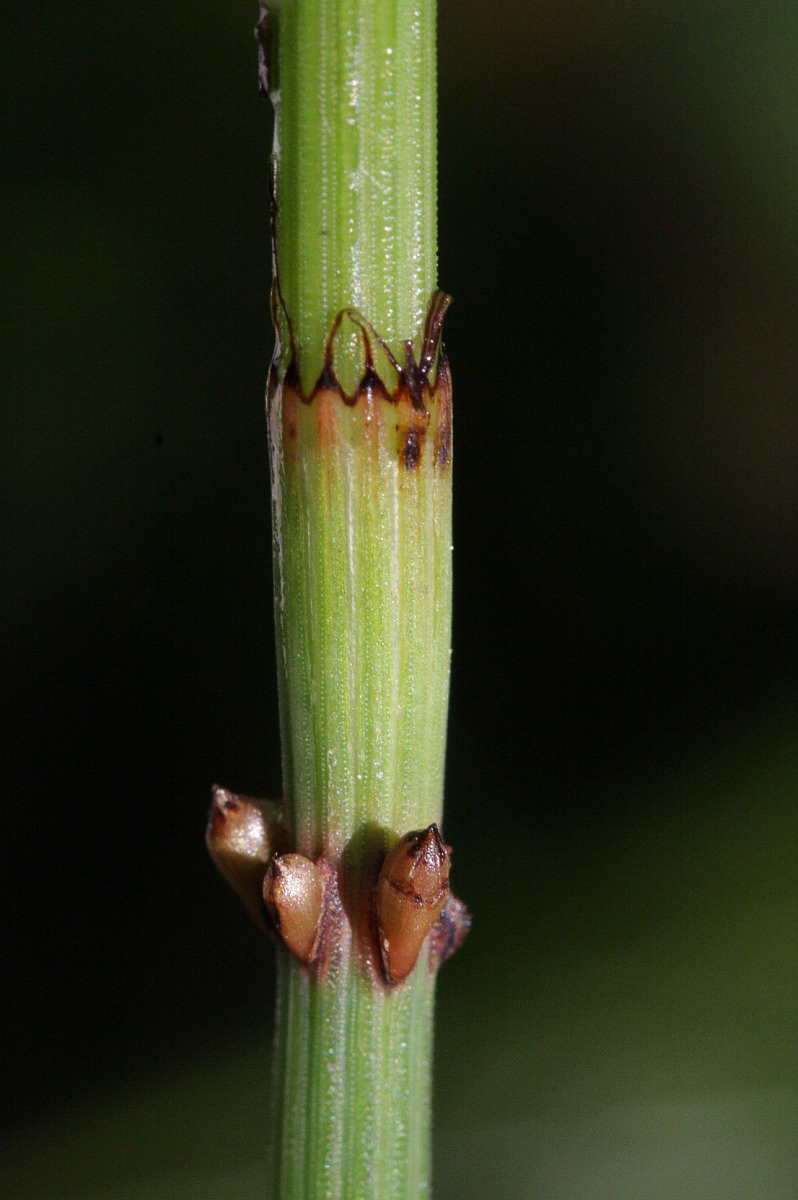
Stem: Stems are 10-100 (200) cm tall, homomorphic, slender, with a diameter ranging from 3 to 9 mm, simple or branched or variously tufted, sometimes with grayish hues; they have 8-20 deep grooves and a central cavity that measures about half of the diameter. When present, the branches have the first internode shorter than the adjacent sheath.
Leaves: The small, scaly leaves form a long and narrow sheath at the base of the internodes, usually widened at the top, greenish less or more dark-edged towards the apex. Teeth with a partially persistent thin appendix with a narrow scarious margin.
Flowers: They do not have flowers.
Fruits and Seeds: Terminal strobilus (or spike) mucronate, up to 15 mm long, formed by shield sporophylls to which the sporangia are attached, where the spores develop; after sporulation, the stems dry up and remain present throughout the winter. Spores produced from January to October.
DISTRIBUTION AND HABITAT
It grows throughout Italy in sandy or gravelly places, generally not very shady, riverbanks, moist grassy terraces, railway embankments, and urban roadsides. From 0 to 1500 m.
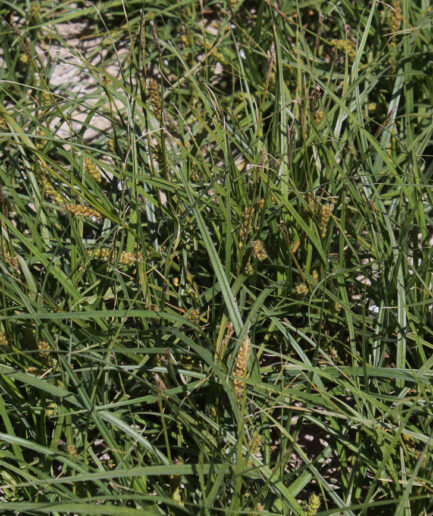
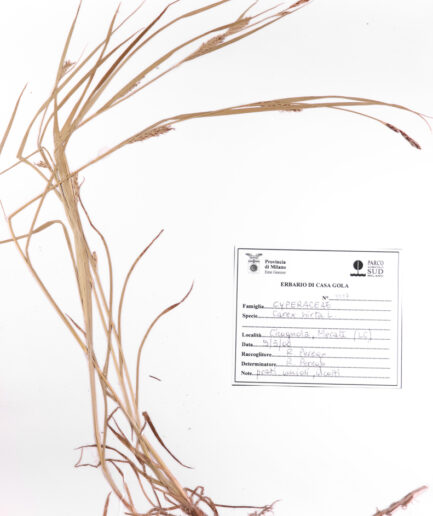
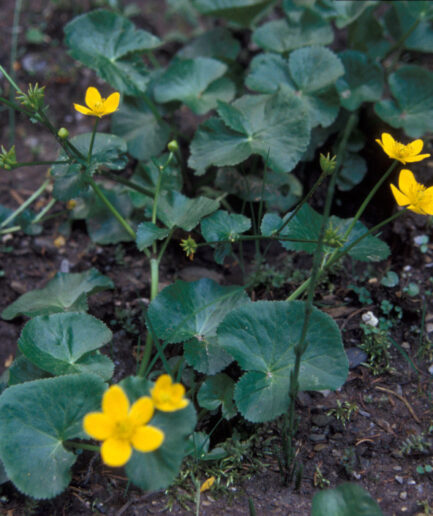
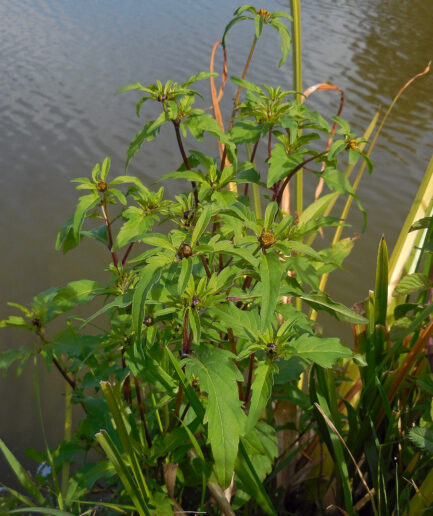
Photo: Provided under a free license by Saxifraga and Ed Stikvoort, Rutger Barendse.