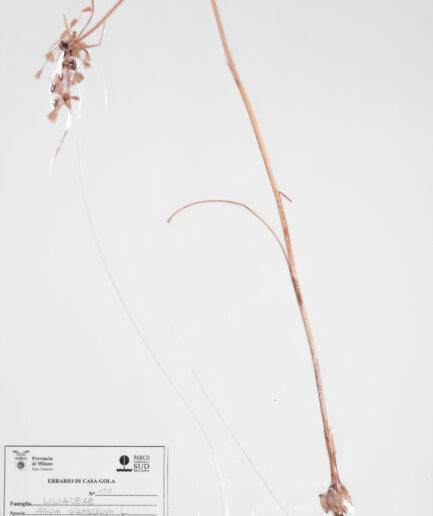

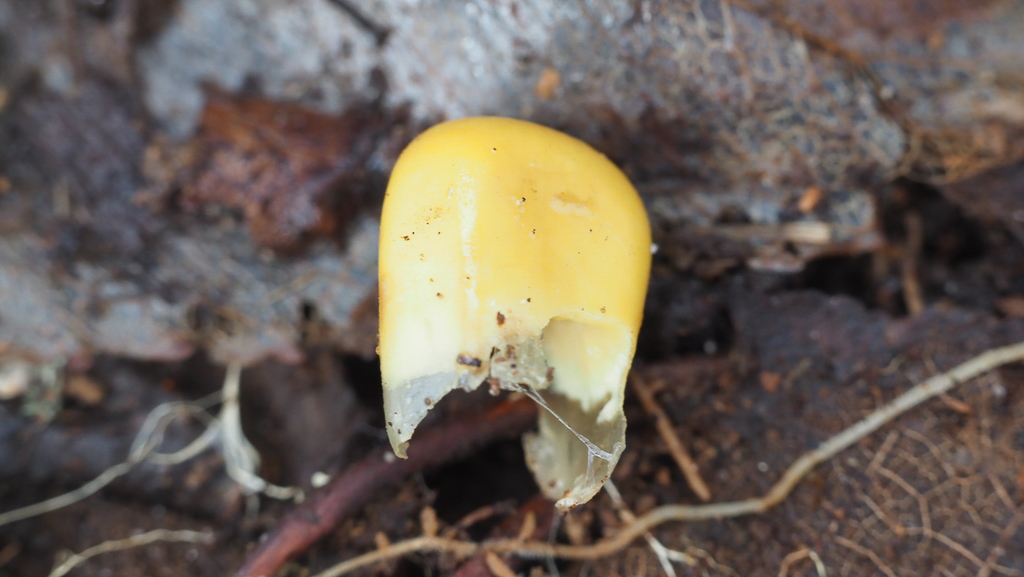
Mais

Nome scientifico: Zea mays L.                                                                
Famiglia: Poaceae


MORFOLOGIA


Portamento e dimensioni: pianta erbacea annuale. Tende a raggiungere in media un’altezza di 2 o 3 metri, in base alla varietà e alle condizioni di crescita.


Fusto: fusto eretto distinto in nodi e internodi.


Foglie: lunghe e strette, distribuite in due file opposte lungo il fusto, in corrispondenza dei nodi.


Fiori: fiori maschili e femminili sono portati sulla stessa pianta, riuniti in infiorescenze. L’infiorescenza maschile è portata alla sommità della pianta, mentre quella femminile è posta in posizione ascellare indicativamente a metà dell’altezza della pianta.


Frutti e semi: frutti secchi indeiscenti, chiamati cariossidi, fissati ad un tutolo.


DISTRIBUZIONE E HABITAT


Pianta di origine americana, in particolare delle aree comprese tra Messico e America centrale. Dopo i primi contatti con gli europei nel Cinquecento, il mais si è diffuso poi in tutto il mondo, diventando uno dei più importanti cereali coltivati. Predilige posizioni soleggiate e terreno ben drenato, mentre teme le gelate e le temperature estive eccessive.


UTILIZZO


Il mais ha avuto un’enorme influenza sulla storia e sulla cultura umana ed è ancora oggi una delle piante più importanti per l’alimentazione e l’economia globale, superando per quantità prodotta tutti gli altri cereali. Il 40% del raccolto mondiale è prodotto dagli Stati Uniti, con a seguire Cina, Brasile e Argentina. Ne esistono numerose cultivar. 

Viene coltivato soprattutto per l’alimentazione umana, ma anche per l’alimentazione animale. E’ un combustibile molto apprezzato e viene impiegato nella produzione, tramite fermentazione naturale, di etanolo utilizzato successivamente per la produzione di biocarburanti.

La specie viene usata anche a scopo terapeutico: le infiorescenze femminili, assumibili tramite tisane, hanno effetto diuretico e sono consigliate in caso di cistiti e calcolosi.


CURIOSITÀ

In Italia viene chiamato granoturco o granturco con il significato di esotico, coloniale.

Negli ultimi anni l’amido di mais viene impiegato per produrre materie plastiche biodegradabili, come il Mater-Bi, che si decompongono e ritornano alla natura attraverso il compostaggio.


Foto: Gentilmente offerte da INaturalist

Famiglia

Poaceae

Specie

Zea mays L.

Tipologia

Pianta erbacea

Habitat

Pianta coltivata

Corn

Scientific name: Zea mays L.
Family name: Poaceae


MORPHOLOGY


Habit and dimensions: annual herbaceous plant. It tends to reach an average height of 2 to 3 meters, depending on the variety and growing conditions.


Stem: erect stem distinguished into nodes and internodes.


Leaves: long and narrow, arranged in two opposite rows along the stem, at the nodes.


Flowers: male and female flowers are borne on the same plant, grouped in inflorescences. The male inflorescence is borne at the top of the plant, while the female one is positioned axillary, approximately halfway up the plant.


Fruits and seeds: dry indehiscent fruits, called caryopses, attached to a cob.


DISTRIBUTION AND HABITAT

Plant of American origin, particularly from areas between Mexico and Central America. After the initial contact with Europeans in the 16th century, corn spread worldwide, becoming one of the most important cultivated cereals. It prefers sunny positions and well-drained soil, while it is sensitive to frost and excessive summer temperatures.


USE

Corn has had a significant influence on human history and culture and is still one of the most important plants for global food and economy, surpassing all other cereals in quantity produced. 40% of the world’s harvest is produced by the United States, followed by China, Brazil, and Argentina. There are numerous cultivars. It is mainly cultivated for human consumption but also for animal feed. It is a highly valued fuel and is used in the production, through natural fermentation, of ethanol subsequently used for biofuel production. The species is also used for therapeutic purposes: female inflorescences, taken as infusions, have a diuretic effect and are recommended for cystitis and calculi.


INTERESTING FACTS


In Italy, it is commonly called “granoturco” or “granturco,” meaning exotic or colonial. In recent years, corn starch has been used to produce biodegradable plastics, such as Mater-Bi, which decompose and return to nature through composting.

Photo: under a free license from INaturalist


Famiglia

Poaceae

Specie

Zea mays L.

Tipologia

Pianta erbacea

Habitat

Pianta coltivata