
Scilla bifoglia

Nome scientifico: Scilla bifolia L.

Famiglia: Asparagaceae


MORFOLOGIA

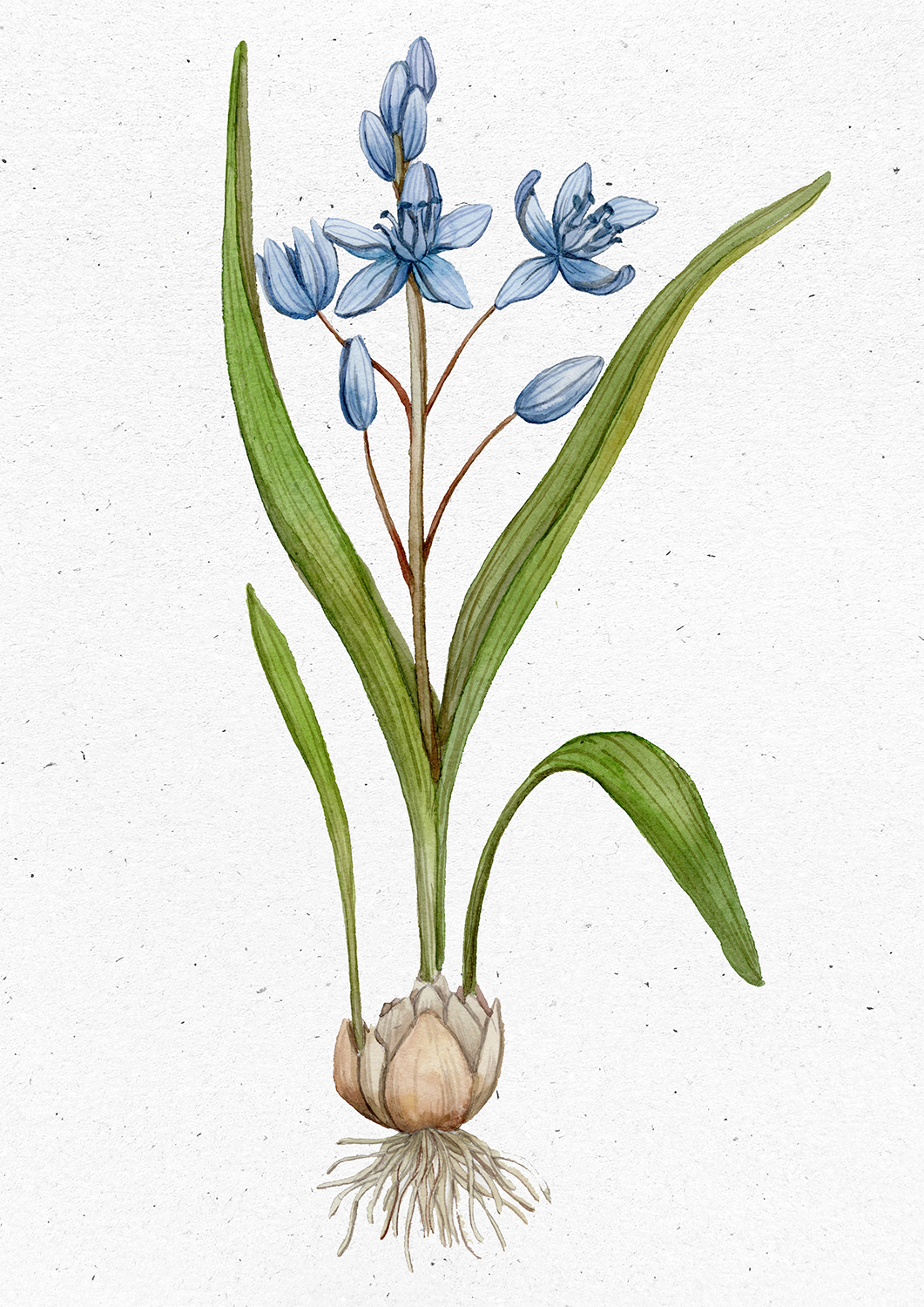
Portamento e dimensioni: Pianta erbacea perenne, glabra, con portamento eretto, dotata di un bulbo ovoide che ha un diametro di 1-2 cm, immerso nel substrato per 10-20 cm. Altezza tra i 5 e 20 cm.


Fusto: fusto verde rossiccio, eretto, snello, cilindrico.

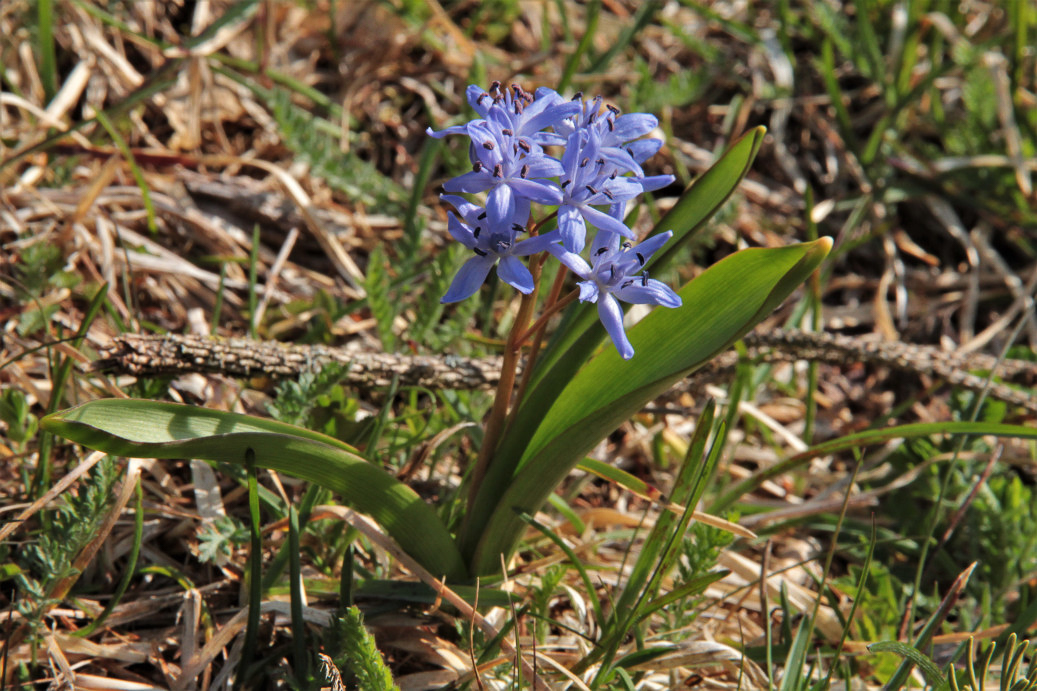
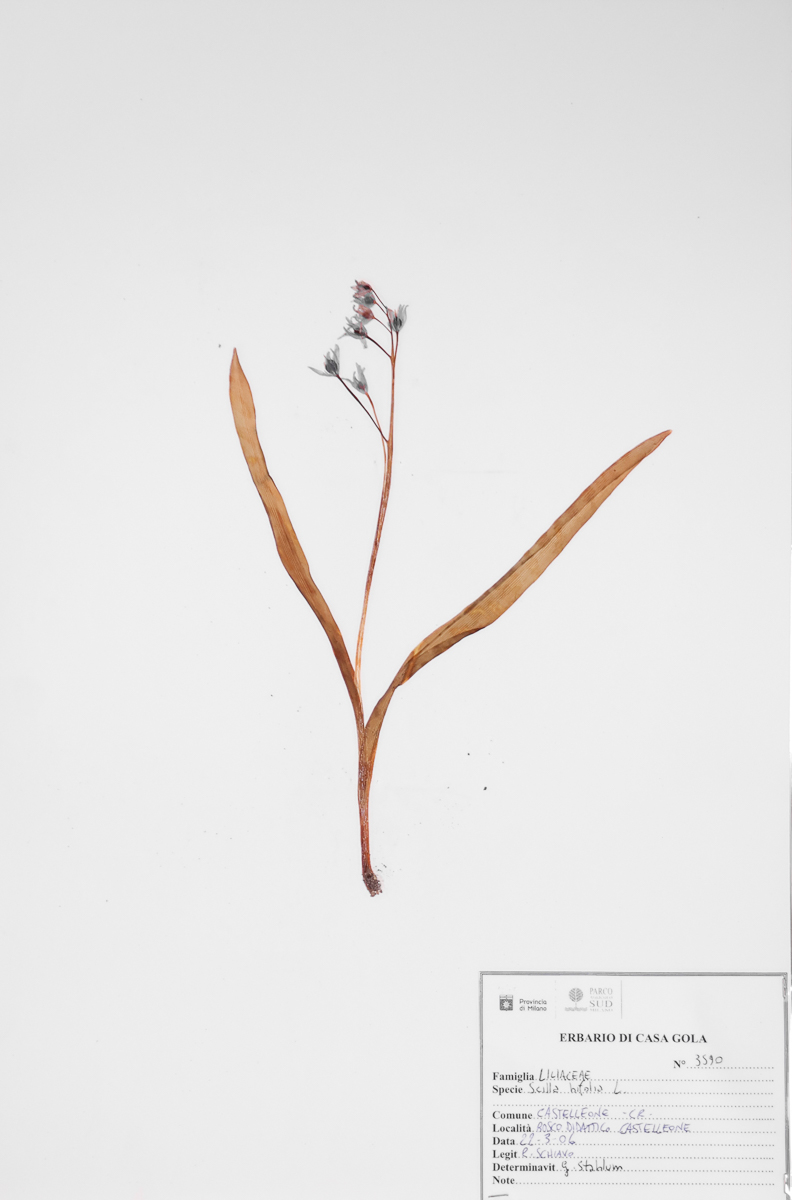
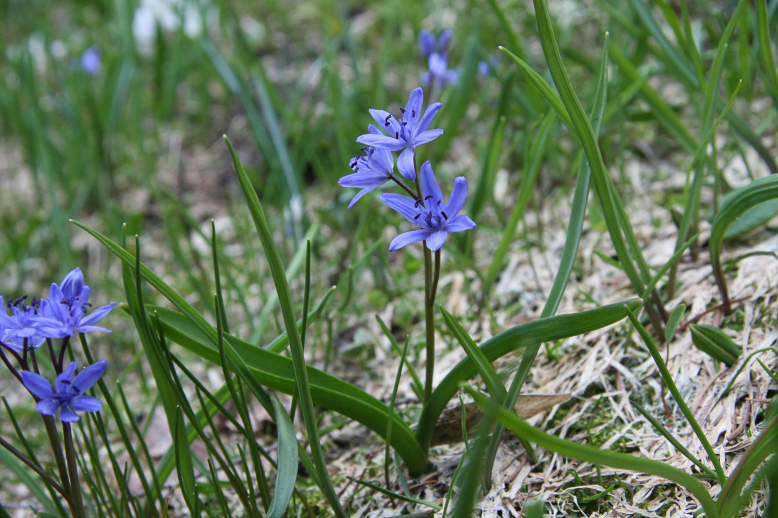
Foglie: dal bulbo sorgono due o più raramente tre foglie lisce, lucenti, subopposte, erette poi divergenti e ricurve, lineari-lanceolate, canalicolate, ottuse all’apice, spesse e robuste larghe 0,3-1,2 cm lunghe 10-12 cm che abbracciano il fusto sino alla sua metà.


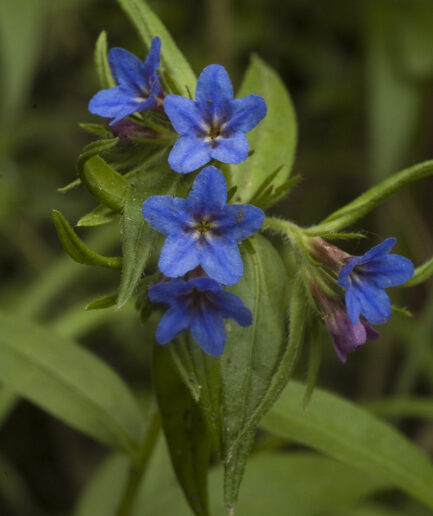
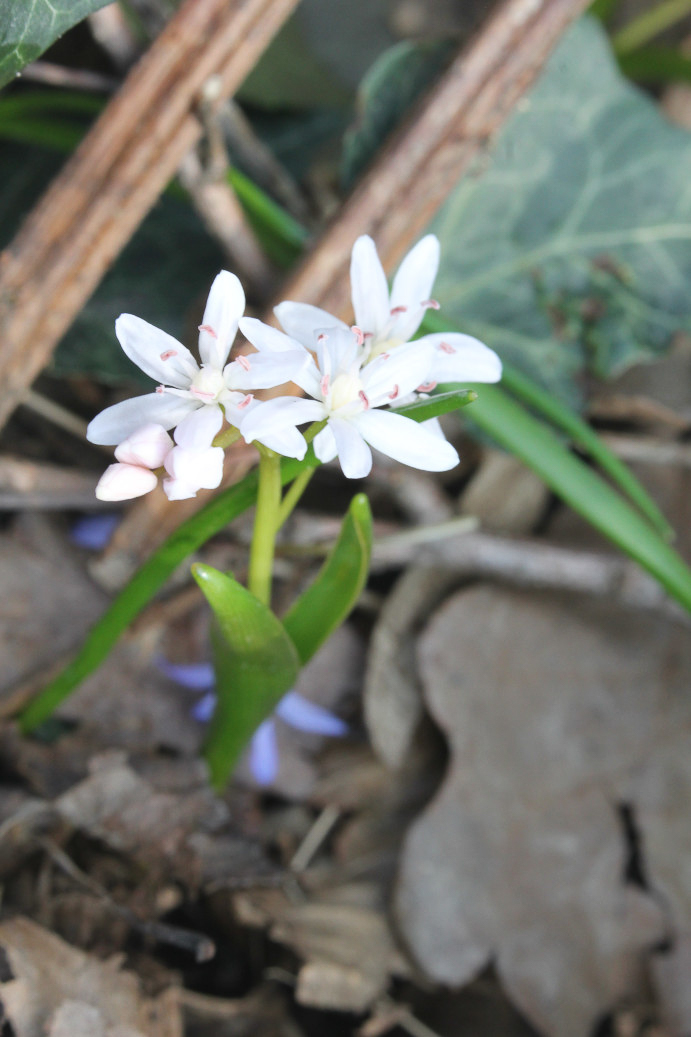
Fiori: l’infiorescenza è costituita da un rado e breve racemo , pedicelli fiorali eretti, nudi, gli inferiori 3 volte più lunghi dei fiori, gli altri via via decrescenti e disposti unilateralmente. Fiori eretti in numero di 2-6(-10) che si aprono in sequenza, lunghi 1 cm con diametro di 2 cm, sono formati da 6 tepali oblungo-lanceolati, di colore dal blu lucente al lillà pallido, con la base biancastra, più raramente tutti bianchi o rossigni. Fiorisce da febbraio a maggio.

Frutti e semi:Il frutto è una capsula subglobosa, ottusa, trigona, triloculare che appesantendo costringe la pianta a piegarsi fino a quando non tocca il terreno per rilasciare i semi di 2-3 mm, subrotondi, lisci, con un tubercolo arilloide alla base, contenuti in numero di 3-6 per loggia.

DISTRIBUZIONE E HABITAT


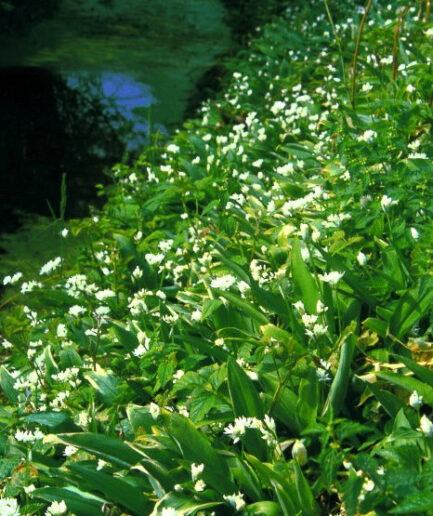
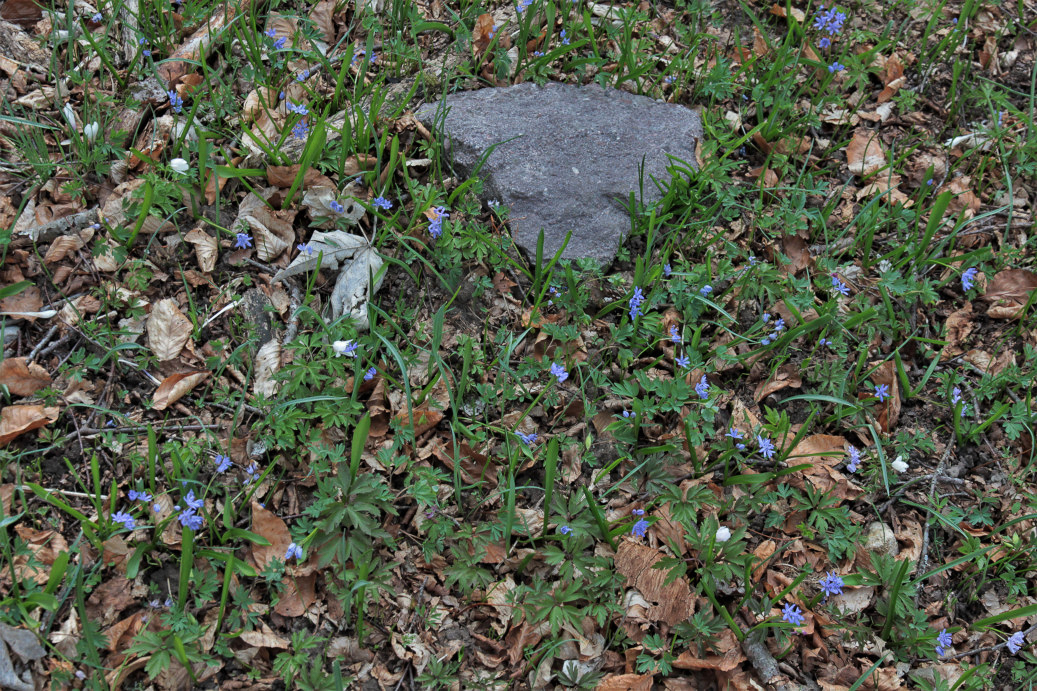
Cresce in tutta Italia tranne dai 500 m ai 2.000 m, ma in alcuni ambienti come nei pressi di Rodano (100 m) si trova facilmente. Vive e si sviluppa nei boschi freschi di latifoglie, soprattutto faggete, nei prati ombrosi e nei pascoli umidi.


UTILIZZO


Il bulbo contiene principi attivi quali glucosidi cardiotonici e diuretici che possono essere utilizzati in fitoterapia, ma che se ingeriti, possono causare gravi problemi gastroenterici. Prima di assumere qualsiasi prodotto di origine vegetale (farmaco o non farmaco) per fini terapeutici o simil-terapeutici, è sempre opportuno rivolgersi preventivamente al proprio medico.


CURIOSITÀ


Il suo nome ricorda Scilla, il mostro marino della mitologia greca con corpo di donna, coda di pesce e 6 teste di cane. Narra la leggenda che Scilla, ninfa innamorata di Glauco chiese alla maga Circe di prepararle un filtro amoroso, ma Circe che nutriva gli stessi sentimenti amorosi verso Glauco, preparò una subdola pozione e la versò in una fonte consigliandole di bagnarsi in quelle acque. Tale bagno trasformò Scilla nel terribile mostro, che spinta dalla rabbia e dalla vergogna si nascose nello stretto di Messina di fronte a Cariddi, da dove usciva per divorare i naviganti.


Foto: gentilmente offerte da Claudio Farinati

Famiglia

Asparagaceae

Specie

Scilla bifolia L.

Tipologia

Pianta erbacea

Habitat

Boschi e boscaglie, Prati

Alpine squill


Scientific name: Scilla bifolia L.

Family: Asparagaceae


MORPHOLOGY


Habit and dimensions: Perennial herbaceous plant, glabrous, with an erect posture, equipped with an ovoid bulb with a diameter of 1-2 cm, buried in the substrate for 10-20 cm. It reaches a height between 5 and 20 cm.


Stem: Reddish-green stem, erect, slender, cylindrical.


Leaves: Two or more rarely three smooth, shiny, subopposite, initially erect then divergent and curved leaves emerge from the bulb. They are linear-lanceolate, channeled, obtuse at the apex, thick and robust, 0.3-1.2 cm wide and 10-12 cm long, embracing the stem up to its midsection.


Flowers: The inflorescence consists of a sparse and short raceme, with erect, naked floral pedicels. The lower ones are 3 times longer than the flowers, while the others gradually decrease and are arranged unilaterally. Flowers are erect, numbering 2-6(-10), opening sequentially, 1 cm long with a diameter of 2 cm. They are formed by 6 oblong-lanceolate tepals, shining blue to pale lilac in color, with a whitish base, occasionally all white or reddish. It blooms from February to May.


Fruits and seeds: The fruit is a subglobose, obtuse, trigonal capsule, trilocular. Its weight causes the plant to bend until it touches the ground, releasing seeds of 2-3 mm, subrounded, smooth, with an arillate tubercle at the base, contained in numbers of 3-6 per locule.


DISTRIBUTION AND HABITAT


It grows throughout Italy except between 500 m and 2,000 m. However, it can be found easily in certain environments such as near the Rhone (100 m). It thrives in cool broad-leaved forests, especially beech forests, shady meadows, and moist pastures.


USE


The bulb contains active ingredients such as cardiotonic and diuretic glucosides that can be used in herbal medicine. However, if ingested, they can cause serious gastrointestinal problems. Before taking any plant-based product (medicinal or non-medicinal) for therapeutic or similar purposes, it is always advisable to consult your doctor.


INTERESTING FACTS


Its name recalls Scylla, the sea monster of Greek mythology with a woman’s body, a fish tail, and 6 dog heads. Legend has it that Scylla, a nymph in love with Glaucus, asked the witch Circe to prepare a love potion for her. However, Circe, who harbored romantic feelings for Glaucus herself, prepared a treacherous potion and poured it into a spring, advising Scylla to bathe in those waters. This bath transformed Scylla into the terrible monster, who, driven by anger and shame, hid in the Strait of Messina in front of Charybdis, from where she emerged to devour sailors.


Photos: kindly provided by Claudio Farinati

Famiglia

Asparagaceae

Specie

Scilla bifolia L.

Tipologia

Pianta erbacea

Habitat

Boschi e boscaglie, Prati