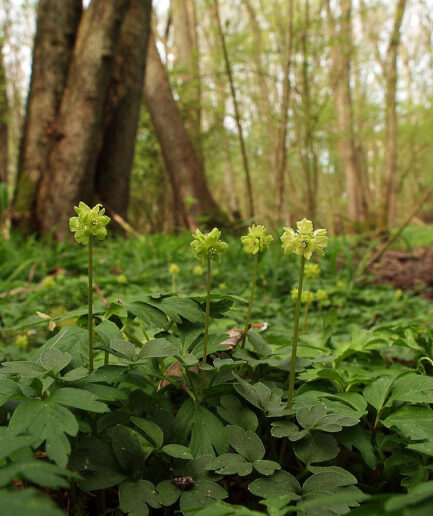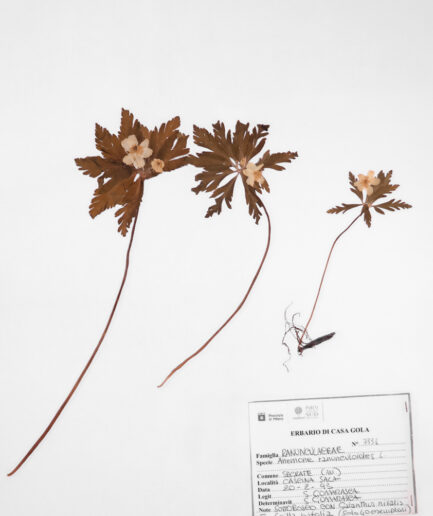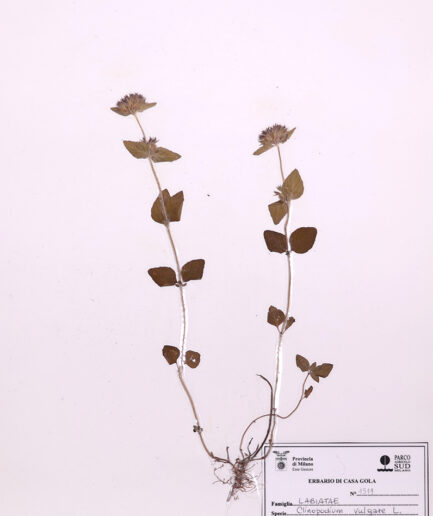

Viola alba

Nome scientifico: Viola alba Besser                                                                
Famiglia: Violaceae


MORFOLOGIA


Portamento e dimensioni: pianta erbacea perenne, che raggiunge massimo 15 centimetri di dimensione.


Stelo: stoloni allungati e sottili.


Foglie: basali in rosetta, con un lungo picciolo e con lamina ovata o cuoriforme. L’apice può essere arrotondato o appuntito, mentre il margine è dentato. Presentano una fitta peluria e persistono anche nella stagione invernale.


Fiori: profumati, con petali bianchi o violacei, che compaiono tra gennaio e aprile.


Frutti e semi: capsule sub-sferiche di colore verde chiaro o bruno-violacee, con tre valve. I semi sono di colore marrone chiaro.


DISTRIBUZIONE E HABITAT


Pianta originaria del bacino del Mediterraneo, che vegeta ai margini dei boschi, in radure, prati e siepi, fino a 1.000 metri sul livello del mare.


UTILIZZO


La specie viene usata come antinfiammatorio naturale, in quanto presenta proprietà diuretiche, emollienti e tossifughe. Viene utilizzata anche per curare scottature e infiammazioni. Attenzione: prima di assumere qualsiasi prodotto di origine vegetale, farmaco o non farmaco, per fini terapeutici o simil-terapeutici, è sempre opportuno rivolgersi preventivamente al proprio medico.

Foglie e fiori vengono impiegate in cucina per preparare insalate.


CURIOSITÀ


L’epiteto specifico viene dal latino “albus” (= bianco).

I semi sono dotati di una piccola appendice, detta eleosoma, ricco di sostanze grasse di cui sono ghiotte le formiche. Queste ultime raccolgono i semi e li portano nei loro nidi sotterranei, abbandonandoli poi già pronti per germogliare per la nuova stagione. 


Foto: Su licenza gratuita di Saxifraga – Marijke Verhagen e Jan Willem Jongepier

Famiglia

Violaceae

Specie

Viola alba Besser

Tipologia

Pianta erbacea

Habitat

Boschi e boscaglie, Prati

White violet

Scientific name: Viola alba Besser
Family name: Violaceae


MORPHOLOGY


Habit and dimensions: a perennial herbaceous plant, reaching a maximum size of 15 centimeters.


Stem: elongated and slender stolons.


Leaves: basal in rosette, with a long petiole and ovate or heart-shaped blade. The apex can be rounded or pointed, while the margin is dentate. They have dense hairiness and persist even in the winter season.


Flowers: fragrant, with white or violet petals, appearing between January and April.


Fruits and seeds: sub-spherical capsules of light green or brownish-violet color, with three valves. The seeds are light brown in color.


DISTRIBUTION AND HABITAT

A plant native to the Mediterranean basin, growing at the edges of woods, in clearings, meadows, and hedges, up to 1,000 meters above sea level.


USE

The species is used as a natural anti-inflammatory, as it has diuretic, emollient, and anti-toxic properties. It is also used to treat burns and inflammations. Note: before taking any plant-based product, whether medicinal or non-medicinal, for therapeutic or similar purposes, it is always advisable to consult your doctor beforehand. 

Leaves and flowers are used in cooking to prepare salads.


INTERESTING FACTS


The specific epithet comes from the Latin “albus” (= white).

The seeds have a small appendage, called an elaiosome, rich in fatty substances that ants are fond of. The ants collect the seeds and carry them to their underground nests, where they then abandon them already prepared to germinate for the new season.

Photo: Free licensed by Saxifraga – Marijke Verhagen and Jan Willem Jongepier
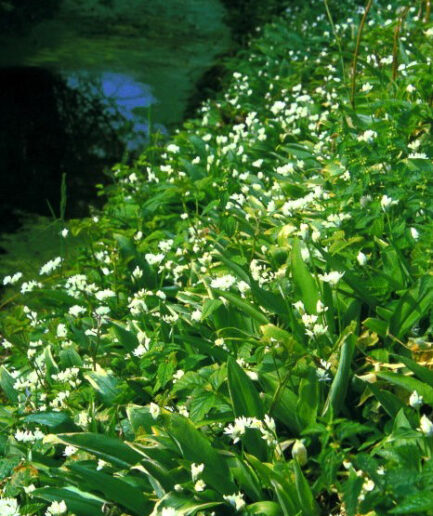
 

Famiglia

Violaceae

Specie

Viola alba Besser

Tipologia

Pianta erbacea

Habitat

Boschi e boscaglie, Prati