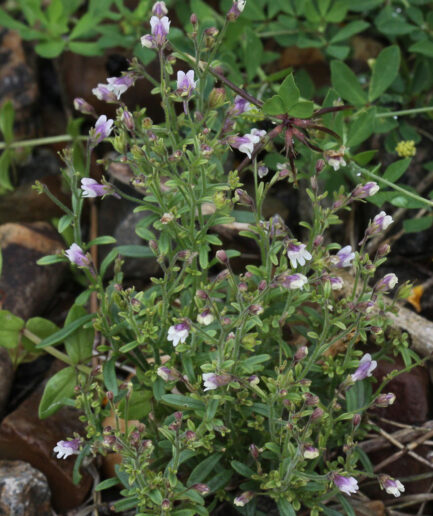



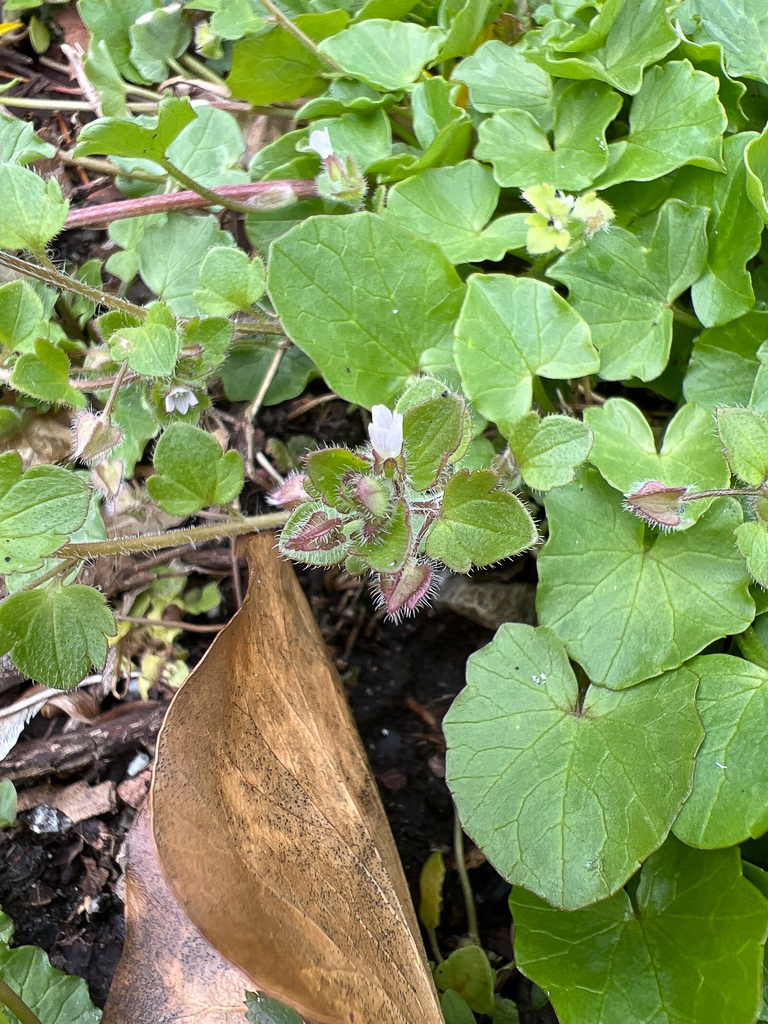
Veronica with sublobate leaves
Scientific name: Veronica sublobata
Family name: Plantaginaceae
MORPHOLOGY
Habit and dimensions: an annual herbaceous plant, typically reaching a height of 10 centimeters.
Stem: covered with small hairs, it is prostrate-ascending, erect in the flowering part.
Leaves: petiolate and not fleshy, with 5 to 7 short and obtuse lobes. They are light green in color.
Flowers: grouped in terminal and elongated raceme inflorescences, appearing between March and May. The petals are white or lilac.
Fruits and seeds: capsule with a persistent calyx, containing small reddish-brown seeds.
DISTRIBUTION AND HABITAT
A plant of Eurasian origin with a sub-Atlantic distribution. In Italy, it is present in the northern regions, from Lombardy to Friuli Venezia Giulia, up to an altitude of 1,000 meters. It grows at the edges of hedges and small woods, in gardens and parks, preferring fresh, clayey soils rich in nitrogen compounds.
USE
No known uses.
INTERESTING FACTS
The epithet of the genus has uncertain etymology, while the specific name derives from the combination of the words sub (= almost, similar to) and lobatus (= with lobes), referring to the leaves with barely noticeable lobes.
Photo: Free license from INaturalist.