
Trifoglio bianco

Trifoglio bianco


Nome scientifico: Trifolium repens L.

Famiglia: Fabaceae 


MORFOLOGIA 


Portamento e dimensioni: pianta  perenne, erbacea, glabrescente, con rizomi molto ramificati. Non supera mai i 30 cm di altezza e forma vasti tappeti nei prati.


Fusto: fusti striscianti, per lo più stoloniferi, radicanti ai nodi.


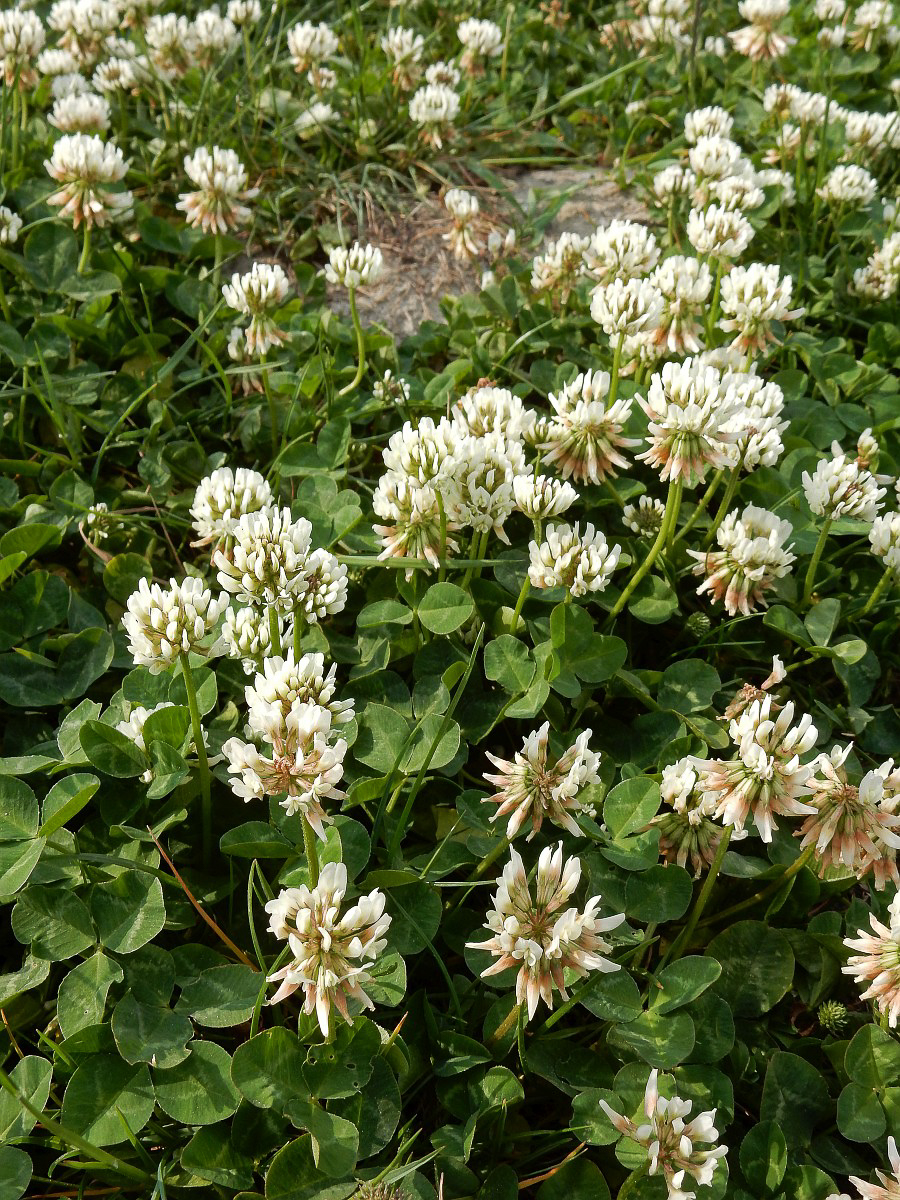
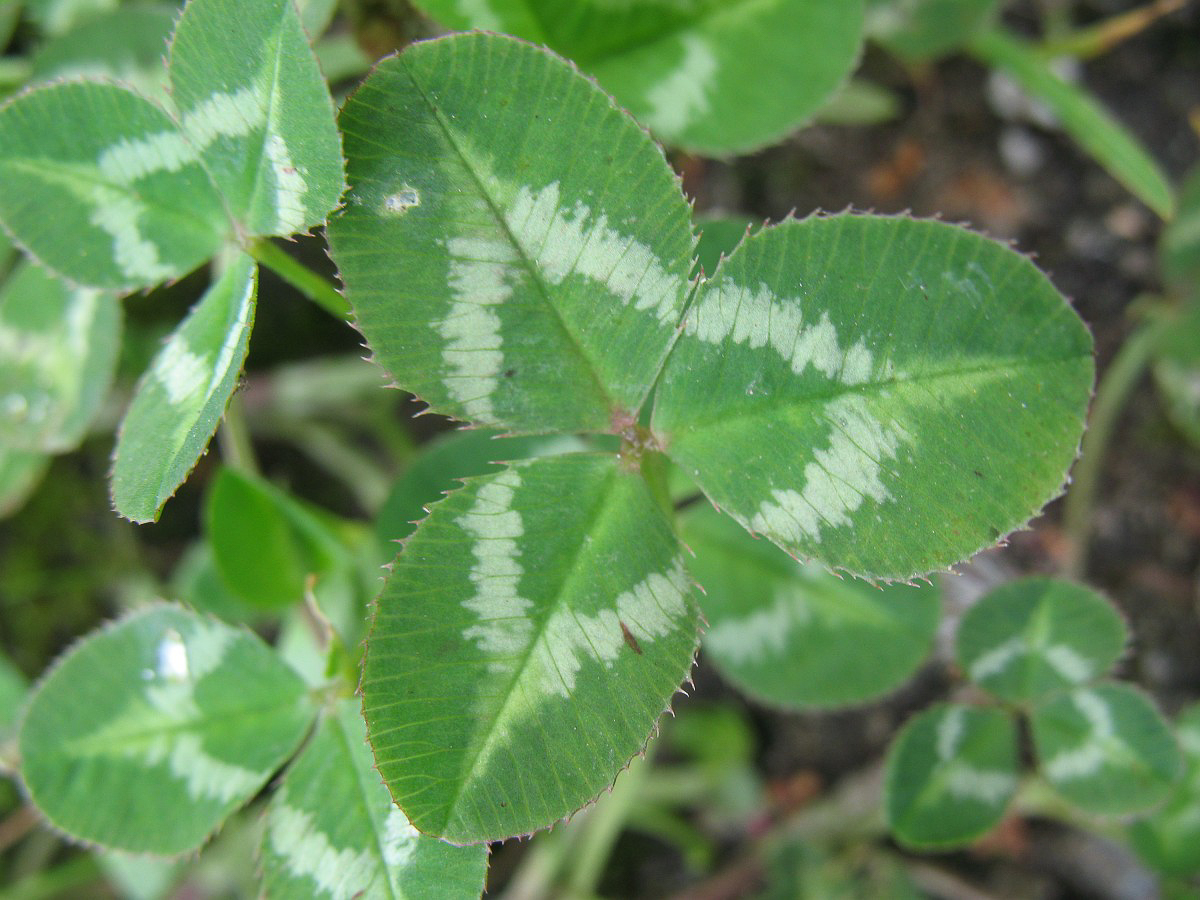
Foglie: le foglie, trifogliate, hanno lunghi piccioli; le foglioline sono subovate, da cuneiformi a largamente ellittiche, finemente seghettate; di colore verde, hanno sulla faccia superiore del lembo una macchia trasversale chiara.


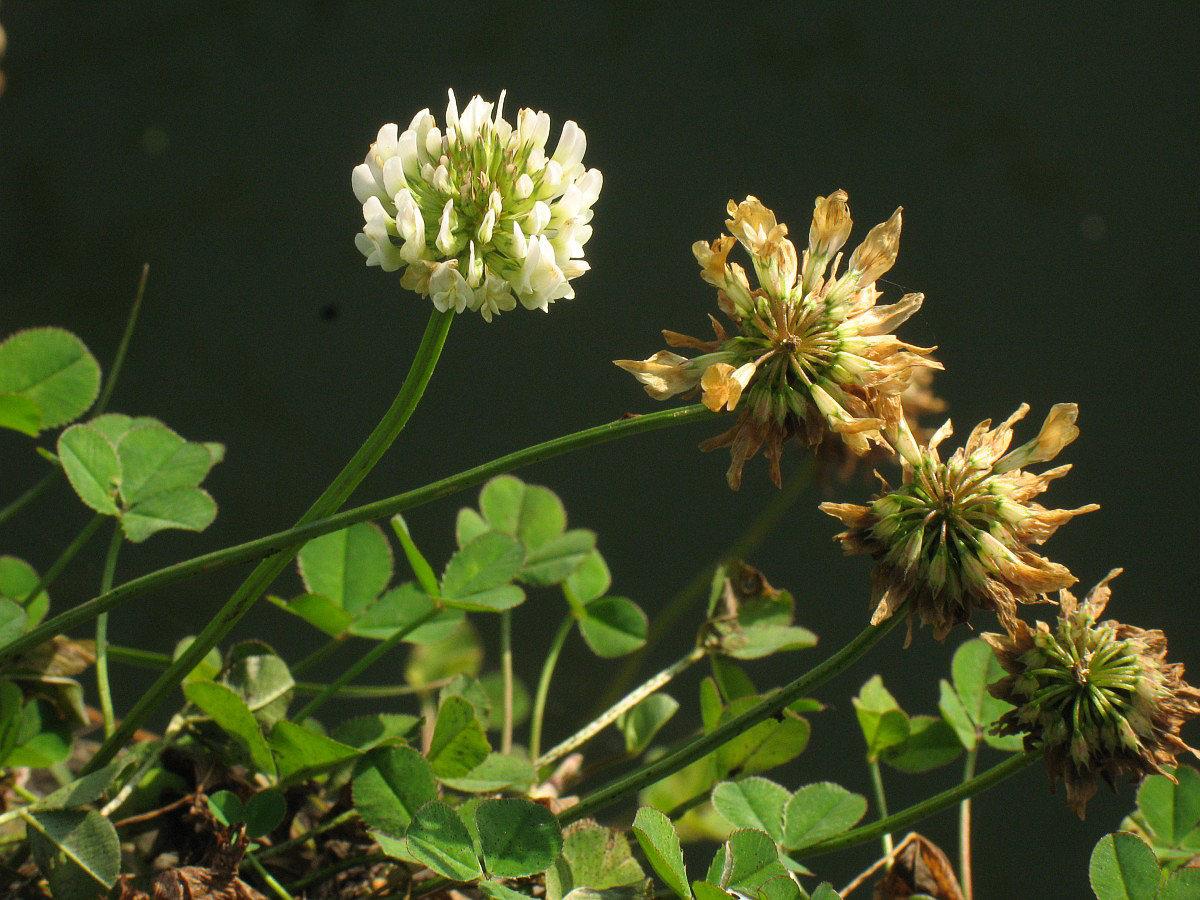
Fiori: i fiori sono riuniti in capolini globosi solitari, bianchi, verdastri o rosa, composti da 40÷80 elementi all’apice di peduncoli eretti e glabri. Dopo la fioritura i fiori diventano penduli e bruni. Fiorisce da marzo a ottobre.


Frutti e semi: i frutti sono legumi, lineari, appiattiti, con 3÷4 semi cuoriformi, di colore variabile: giallo, arancio e rosso che rimangono nel calice disseccato.


DISTRIBUZIONE E HABITAT


Presente in tutta Italia lungo le strade campestri, al margine dei boschi, nei prati, da 0 a 2.750 m.


UTILIZZI


Pianta antireumatica, depurativa, oftalmica, detergente, tonica. Indicata per i distrurbi della digestione e le diarree ostinate, le infiammazioni delle vie respiratorie, i reumatismi. Per uso esterno, è antisettico. Prima di assumere qualsiasi prodotto di origine vegetale (farmaco o non farmaco) per fini terapeutici o simil-terapeutici, è sempre opportuno rivolgersi preventivamente al proprio medico.

Unito alle graminacee rappresenta un ottimo foraggio e a questo scopo è anche seminato, si estende con grande rapidità, migliora i pascoli magri. Si ottengono sino a 8 sfalci di ottima qualità, solitamente impiegato come foraggio verde.

I fiori possono essere utilizzati in frittata , uniti alle foglioline possono essere utilizzati come ingredienti per una bevanda tipo “sangrilla”. Nel passato, durante periodi di carestia, i capolini secchi venivano raccolti per essere macinati, integrando in questo modo la farina.

Come tutte le specie appartenenti al genere Trifolium rappresenta un’ottima fonte sia di nettare che di polline per le api, anche se la riduzione della coltivazione con il sistema delle “marcite” lombarde ha ridotto notevolmente la produzione di miele allo stato uniflorale.


CURIOSITÀ


Sangrilla con Trifolium repens.

In una brocca spremere il succo di un’arancia, la buccia va tagliato in piccoli pezzi (solo la parte colorata), aggiungere una bottiglia di vino rosso secco e una bottiglia di vino bianco secco. Unire 5 o 6 manciate di fiori di trifoglio e foglie tenere, mescolare accuratamente. Lasciare a riposare in frigorifero avendo l’accortezza di coprire il recipiente, per un paio di giorni, mescolando una volta al giorno. Filtrare il liquido e aggiungere una pesca matura, ma soda tagliata a pezzetti e circa 100 grammi di zucchero di canna e mescolare bene. Servire freddissimo.


Foto: su licenza gratuita di Saxifraga e Ed Stikvoort, Jan van der Straaten, Rutger Barendse

Famiglia

Fabaceae

Specie

Trifolium repens L.

Tipologia

Pianta erbacea

Habitat

Aree antropizzate, Boschi e boscaglie, Prati

White Clover


Scientific name: Trifolium repens L.
Family: Fabaceae


MORPHOLOGY


Habit and Size: Perennial herbaceous plant, nearly hairless, with highly branched rhizomes. It never exceeds 30 cm in height and forms extensive carpets in meadows.


Stem: Creeping stems, mostly stoloniferous, rooting at the nodes.


Leaves: The trifoliate leaves have long petioles; the leaflets are subovate, from cuneate to broadly elliptical, finely serrated; green in color, with a clear transverse spot on the upper surface of the blade.


Flowers: The flowers are grouped in solitary, globose heads, white, greenish, or pink, composed of 40-80 elements at the apex of erect, hairless peduncles. After flowering, the flowers become pendulous and brown. Blooms from March to October.


Fruits and Seeds: The fruits are linear, flattened legumes, with 3-4 heart-shaped seeds, varying in color: yellow, orange, and red, which remain in the dried calyx.


DISTRIBUTION AND HABITAT


Present throughout Italy along country roads, at the edge of woods, in meadows, from 0 to 2,750 m.


USE


Antirheumatic, depurative, ophthalmic, cleansing, tonic plant. Indicated for digestive disorders and persistent diarrhea, respiratory tract inflammations, rheumatism. For external use, it is antiseptic. Before taking any herbal product (whether medicinal or non-medicinal) for therapeutic or similar purposes, it is always advisable to consult your doctor. Combined with grasses, it represents excellent forage and is also sown for this purpose, spreading rapidly and improving poor pastures. Up to 8 cuts of excellent quality can be obtained, usually used as green forage.
The flowers can be used in omelets, and combined with the leaves, they can be used as an ingredient for a drink similar to “sangria.” In the past, during periods of famine, dried flower heads were collected to be ground, thus integrating the flour.
Like all species belonging to the genus Trifolium, it is an excellent source of both nectar and pollen for bees, although the reduction of cultivation using the “marcite” system in Lombardy has significantly reduced the production of unifloral honey.


INTERESTING FACTS


Sangria with Trifolium repens:
In a jug, squeeze the juice of an orange, and cut the peel into small pieces (only the colored part). Add one bottle of dry red wine and one bottle of dry white wine. Add 5 or 6 handfuls of clover flowers and tender leaves, and mix thoroughly. Let it rest in the refrigerator, covering the container, for a couple of days, stirring once a day. Strain the liquid, add one ripe but firm peach cut into pieces, and about 100 grams of brown sugar, and mix well. Serve very cold.


Photos: freely licensed from Saxifraga and Ed Stikvoort, Jan van der Straaten, Rutger Barendse
Famiglia

Fabaceae

Specie

Trifolium repens L.

Tipologia

Pianta erbacea

Habitat

Aree antropizzate, Boschi e boscaglie, Prati