
Paleo odoroso

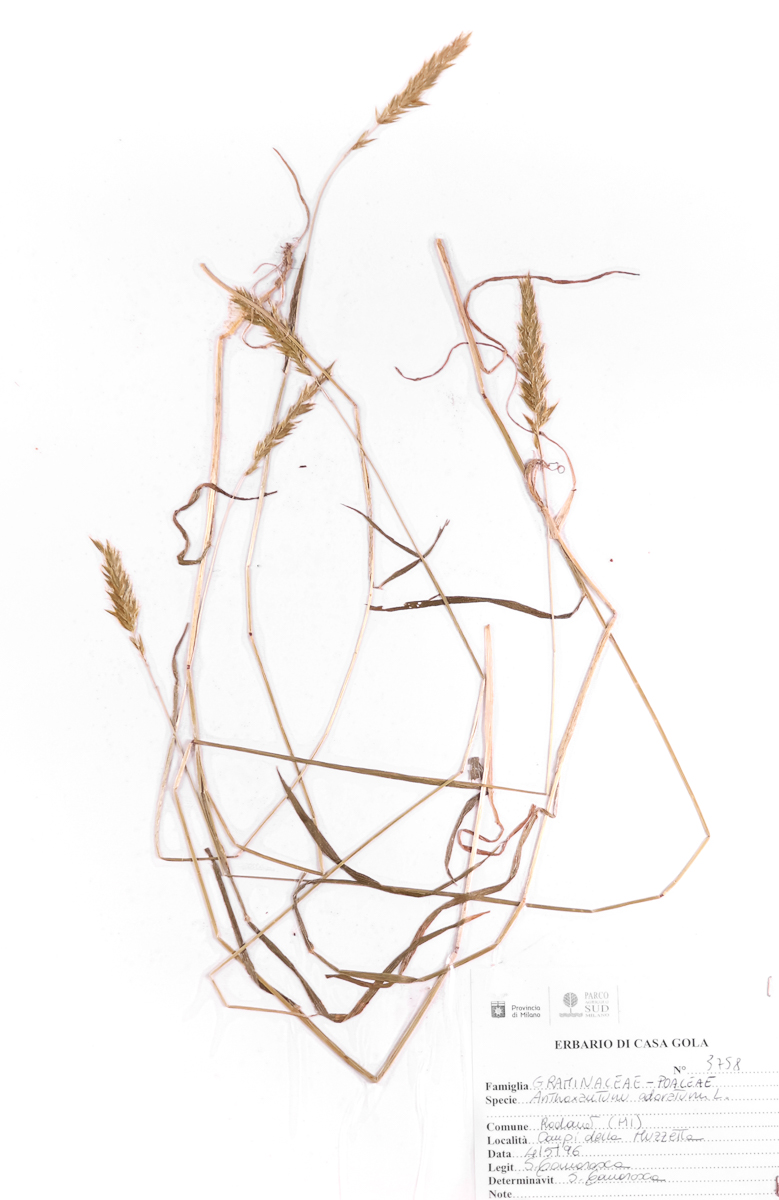
Nome scientifico: Anthoxanthum odoratum L. 

Famiglia: Poaceae


MORFOLOGIA


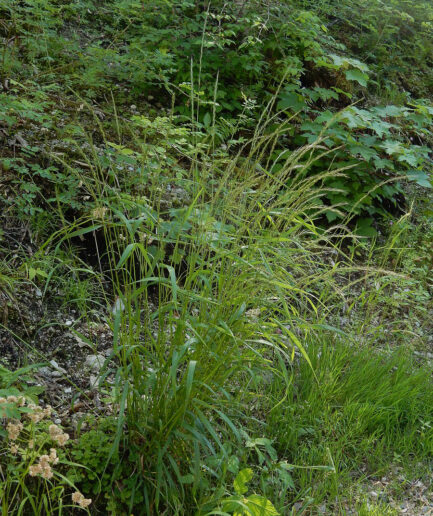
Portamento e dimensioni: pianta erbacea perenne cespitosa, alta 30-60 cm.


Fusto: fusti semplici, lisci, rigidi, eretti o ginocchiati alla base, lungamente nudi in alto.


Foglie: foglie piane, larghe 4-5(10) mm, glabre o sparsamente pelose, finemente appuntite. Ligula acuta, lunga 2-3 mm, frastagliata all’apice, membranacea; guaina pelosa alla giunzione con la lamina.


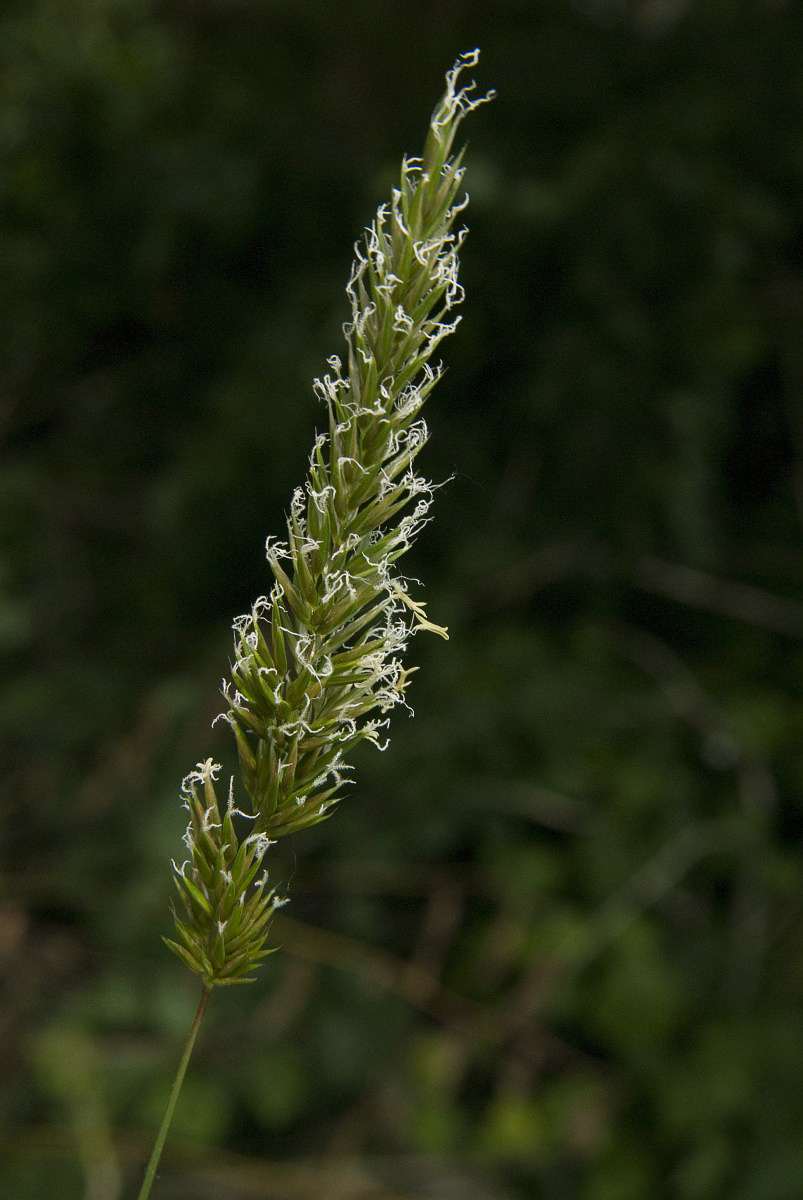
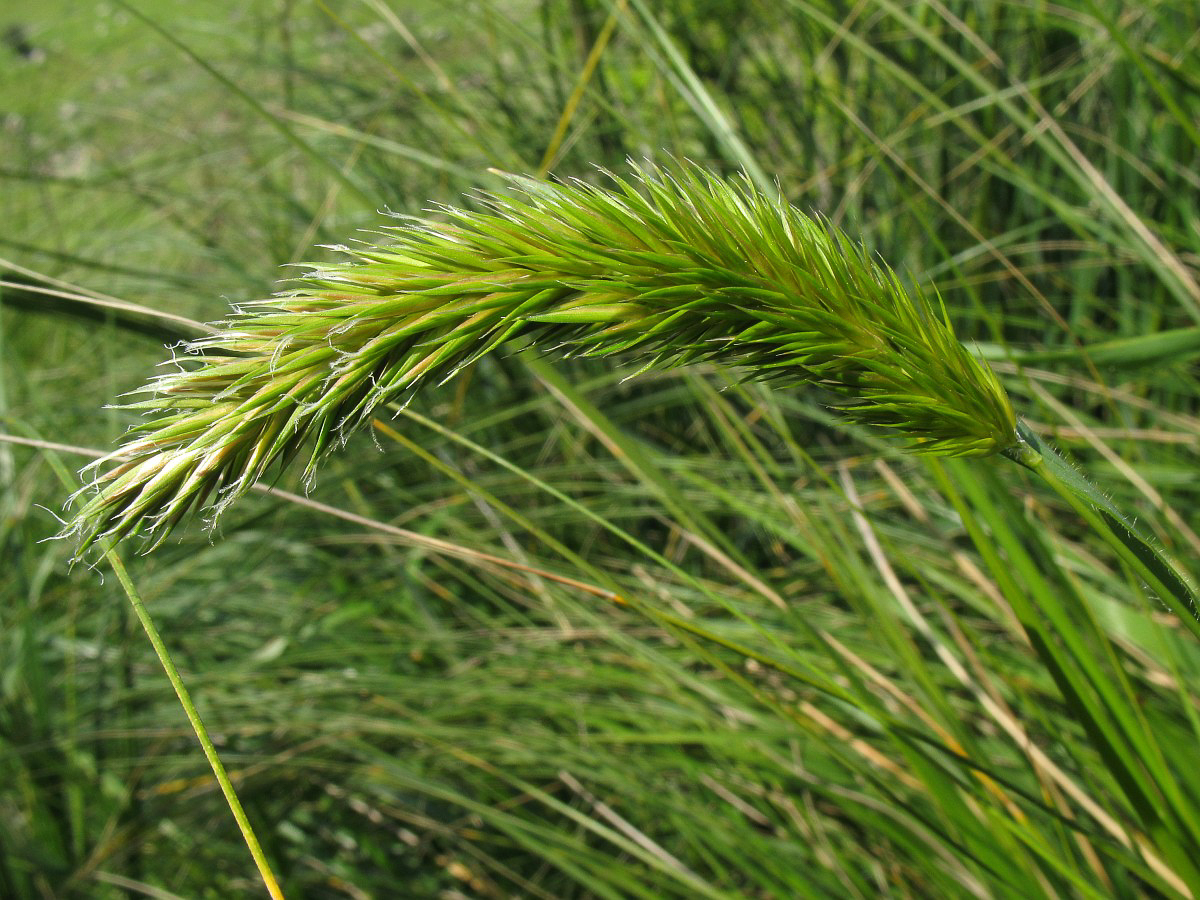
Fiori: infiorescenza in pannocchia spiciforme, ovoide-cilindrica di 2-8 cm, verde-giallastra e lucente.

Spighette (6-7 mm) lateralmente compresse, brevemente pedicellati con 2 fiori inferiori sterili ed un fiore superiore ermafrodita. Fiorisce da maggio ad agosto.


Frutti e semi: il frutto è una piccola cariosside di 2 mm.


DISTRIBUZIONE E HABITAT


Diffuso in tutta Italia in prati stabili, pascoli, boschi radi di latifoglie, a quote comprese tra 0 e 1600 m.


CURIOSITÀ


 La pianta specialmente essiccata emana un gradevole odore di cumarina. Per questo non è considerata una buona foraggera e gli erbivori non la trovano appetitosa. In passato veniva usata per fare cappellini da donna. A questo scopo veniva tagliata ancora verde e veniva bollita per 10 minuti nell’acqua e poi lasciata asciugare al sole. Dopo una settimana, divenuta di un bel colore dorato come paglia, era pronta per essere intrecciata. Ogni volta che un cappellino si inumidiva, sprigionava un profumo di fieno appena tagliato. Entità molto allergenica.


Foto: su licenza gratuita di Saxifraga e Ed Stikvoort, Piet Zomerdijk, Jan van der Straaten, Rutger Barendse

Famiglia

Poaceae

Specie

Anthoxanthum odoratum L.

Tipologia

Pianta erbacea

Habitat

Boschi e boscaglie, Prati

Sweet Vernal Grass


Scientific name: Anthoxanthum odoratum L.

Family: Poaceae


MORPHOLOGY


Growth habit and size: Perennial tufted herbaceous plant, 30-60 cm tall.


Stem: Simple, smooth, stiff stems, erect or geniculate at the base, long and bare at the top.


Leaves: Flat leaves, 4-5 (10) mm wide, glabrous or sparsely hairy, finely pointed. Acute ligule, 2-3 mm long, fringed at the apex, membranous; hairy sheath at the junction with the blade.


Flowers: Inflorescence in a spicate panicle, ovoid-cylindrical, 2-8 cm long, greenish-yellow and shiny. Spikelets (6-7 mm) laterally compressed, shortly pedicellate with 2 sterile lower flowers and one upper hermaphroditic flower. Blooms from May to August.


Fruits and seeds: The fruit is a small caryopsis of 2 mm.


DISTRIBUTION AND HABITAT


Widespread throughout Italy in stable meadows, pastures, sparse broadleaved forests, at altitudes between 0 and 1600 m.


INTERESTING FACTS


Especially when dried, the plant emits a pleasant smell of coumarin. For this reason, it is not considered good forage, and herbivores do not find it appetizing. In the past, it was used to make women’s hats, for which it was cut while still green, boiled for 10 minutes in water, and then left to dry in the sun. After a week, having turned a beautiful golden color like straw, it was ready to be woven. Every time a hat got wet, it released a scent of freshly cut hay. It is highly allergenic.


Photo: Under the free license of Saxifraga and Ed Stikvoort, Piet Zomerdijk, Jan van der Straaten, Rutger Barendse
Famiglia

Poaceae

Specie

Anthoxanthum odoratum L.

Tipologia

Pianta erbacea

Habitat

Boschi e boscaglie, Prati