
Yellow Bristlegrass
Scientific name: Setaria pumila (Poir) Roem et Schult.
Family: Poaceae
MORPHOLOGY
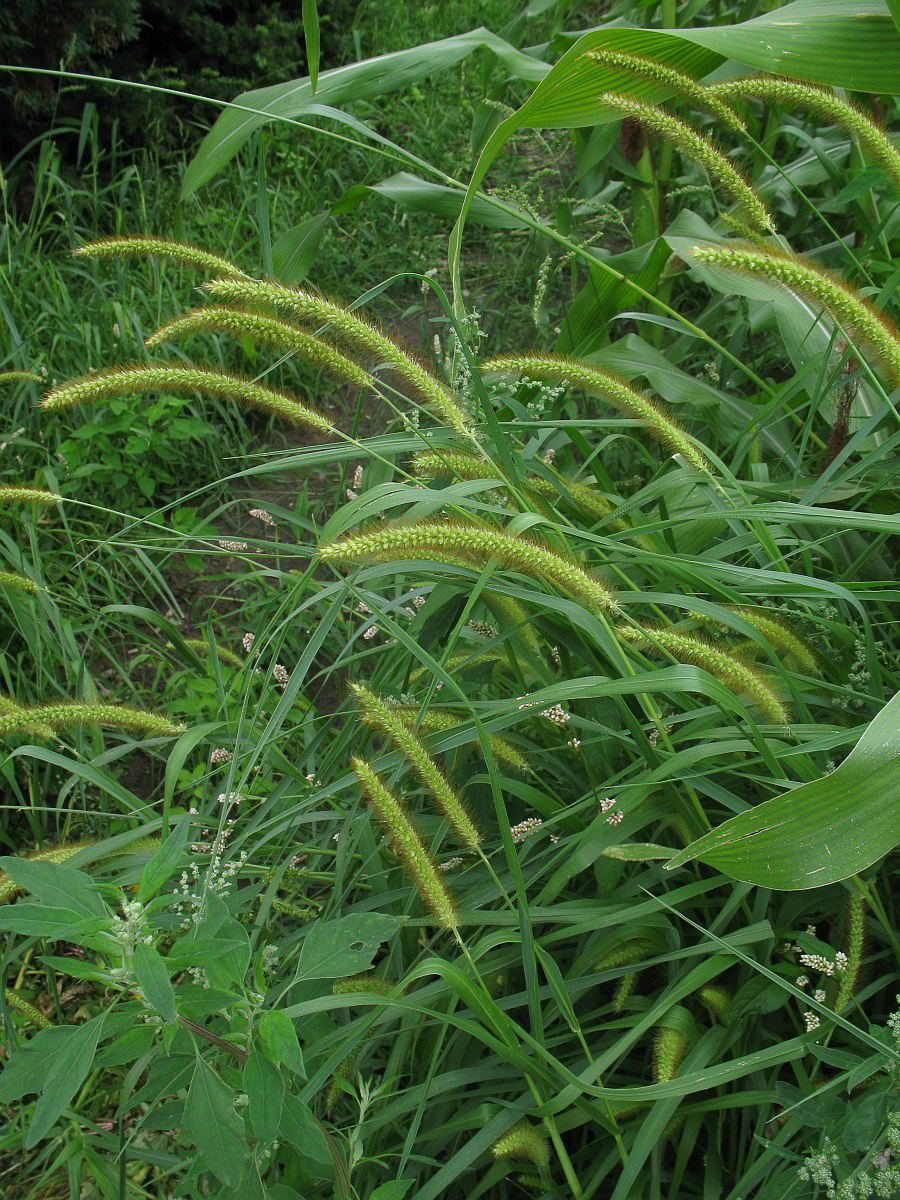
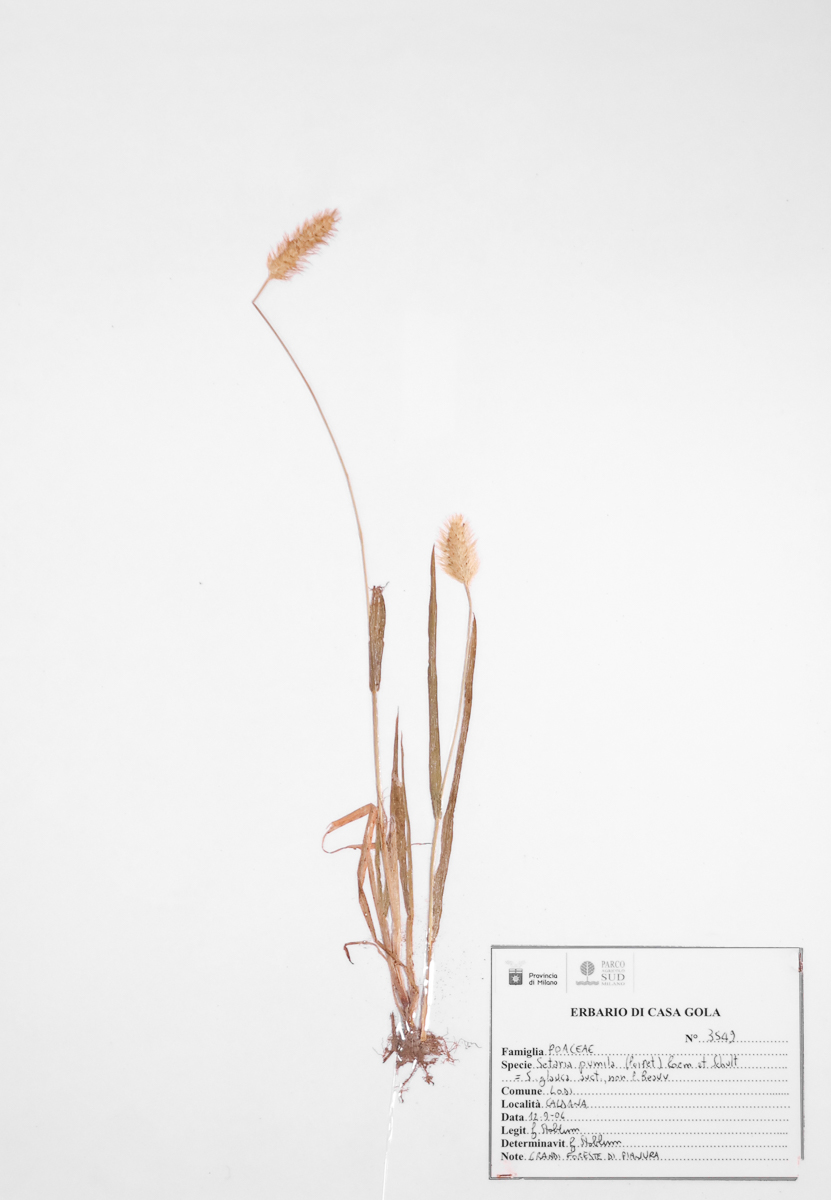
Habit and Size: Annual herbaceous plant, 20 to 60 (80) cm tall, with fibrous roots.
Stem: Erect ascending stem with a compressed section and longitudinal grooves, ± rough towards the top but bare near the inflorescence; can be ± branched; nodes and sheaths (reddish, varying in intensity at the lower part), sheaths rough.
Leaves: Linear, glaucous leaves, pubescent under the central vein, 6-30 x 0.3-0.10 cm.
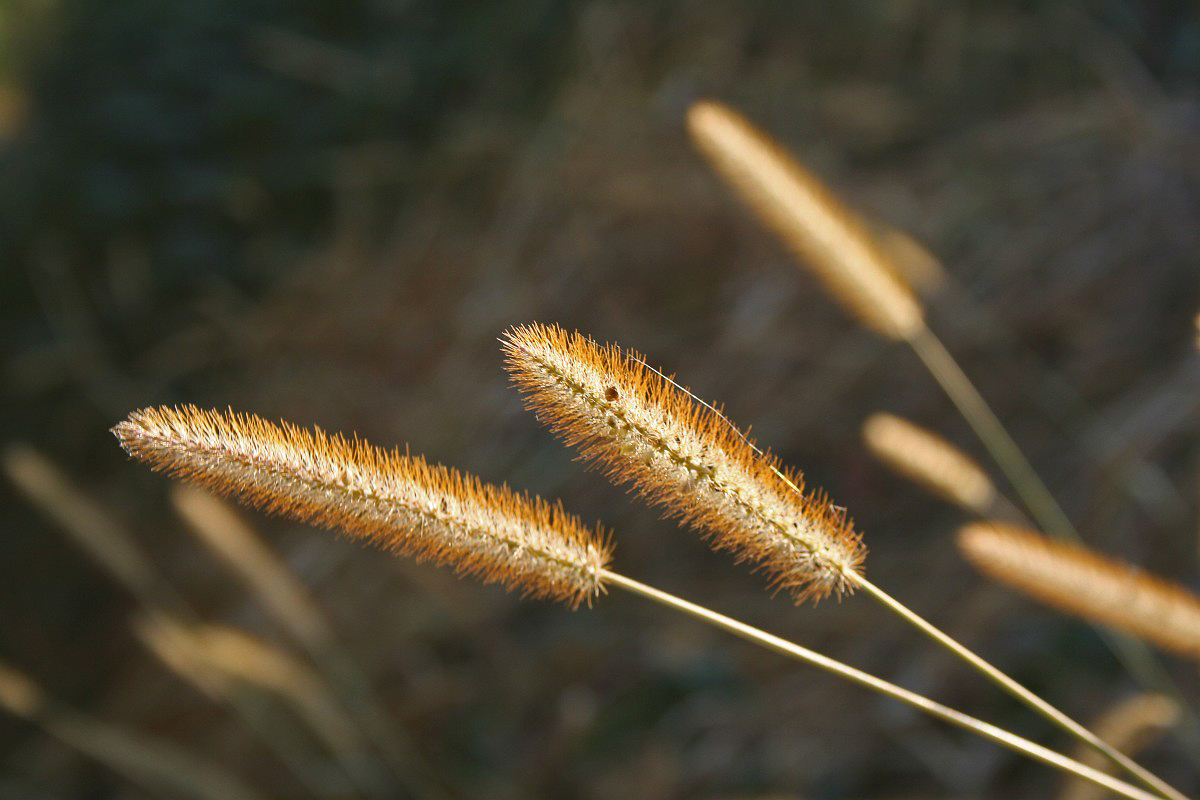
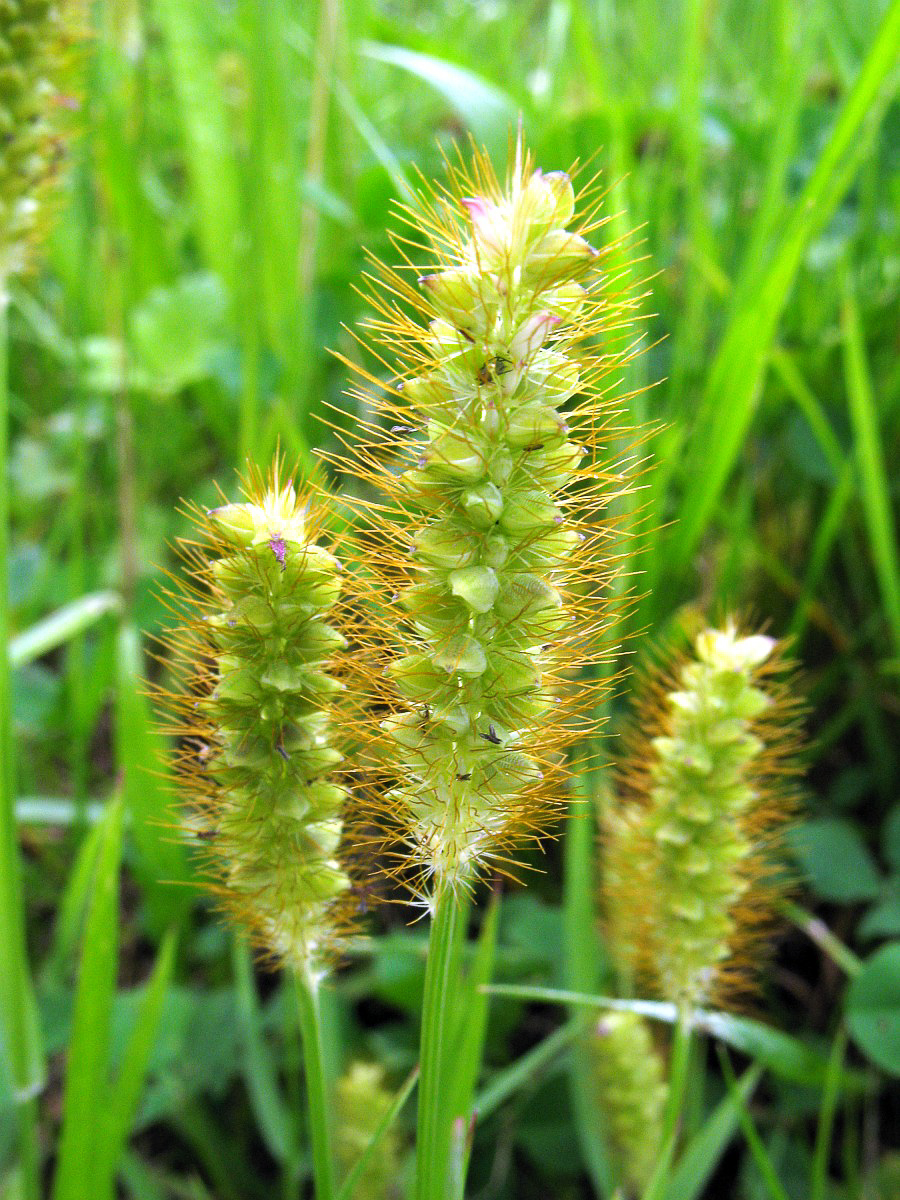
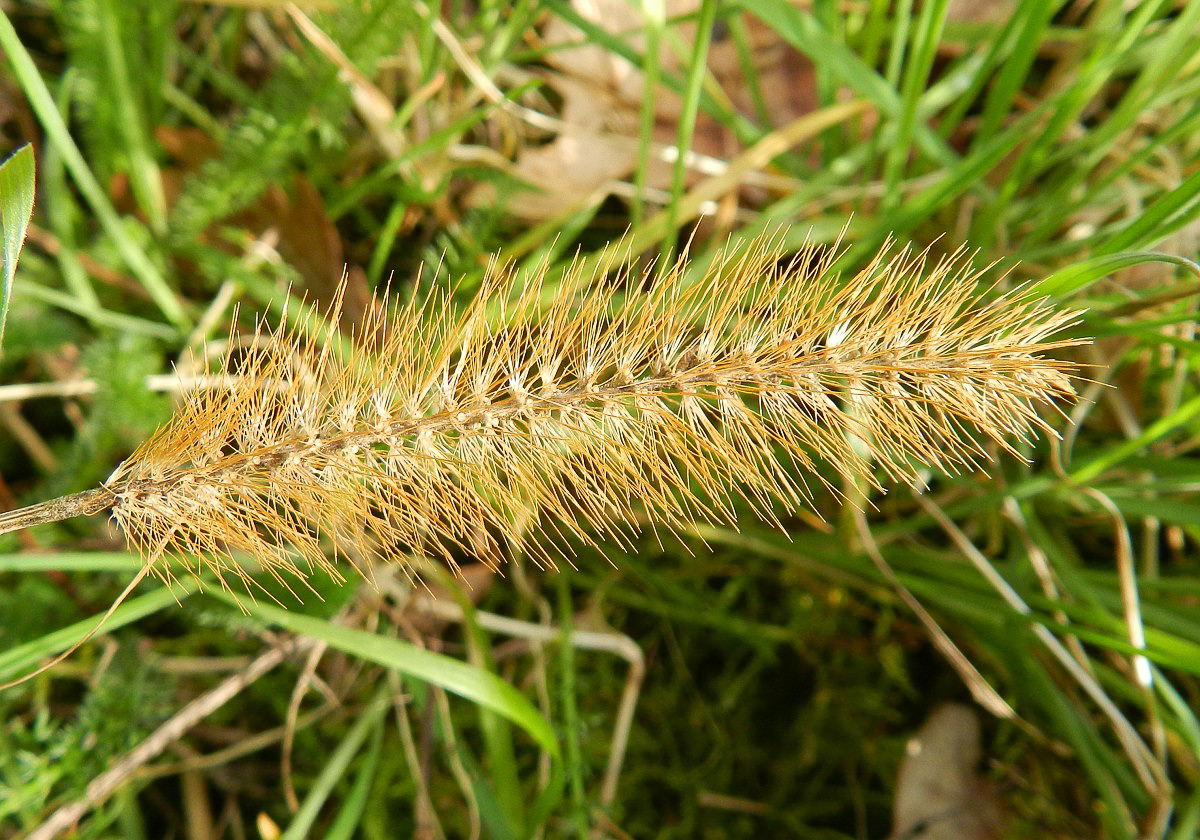
Flowers: Spiciform panicle, cylindrical, uninterrupted at the base, 0.5-1 x 4-7 (14) cm, curved at maturity. Blooms from June to November.
Fruits and Seeds: The fruit is a caryopsis with an adherent pericarp.
DISTRIBUTION AND HABITAT
Widespread throughout Italy in row crops, orchards, vineyards, and embankments. Grows from 0 to 800 m, occasionally reaching 2000 m.
USE
Known since antiquity, it was used (during times of famine) to produce flour for polenta, cakes, puddings, and more. The seeds are rich in carbohydrates, proteins, and fats.
INTERESTING FACTS
Cultivated in southern Europe as forage. Today, it is more often considered a weed capable of depleting soil macro-nutrients.
Photo: licensed free of charge from Saxifraga and Rutger Barendse, Jeroen Willemsen