
Leopard’s bane
Scientific Name: Doronicum pardalianches L.
Family: Asteraceae
MORPHOLOGY
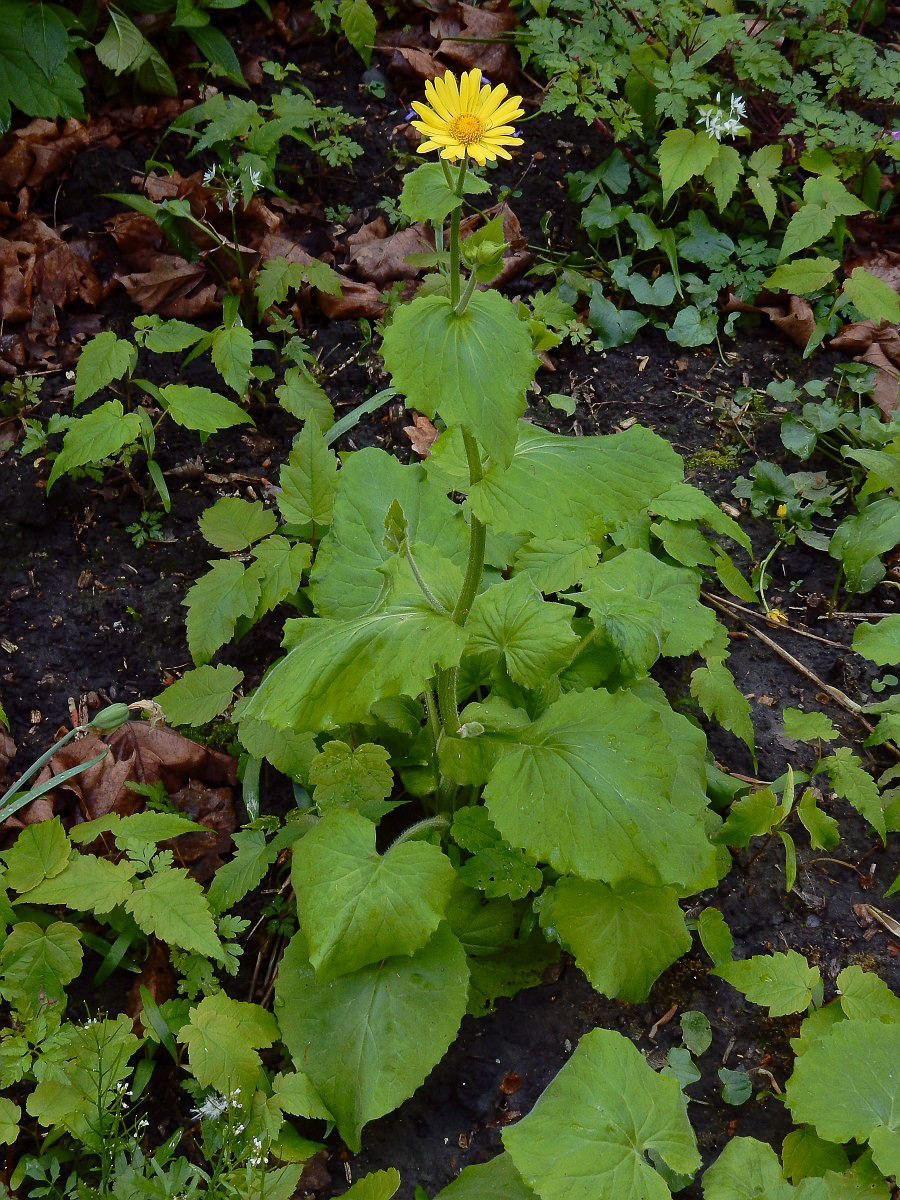
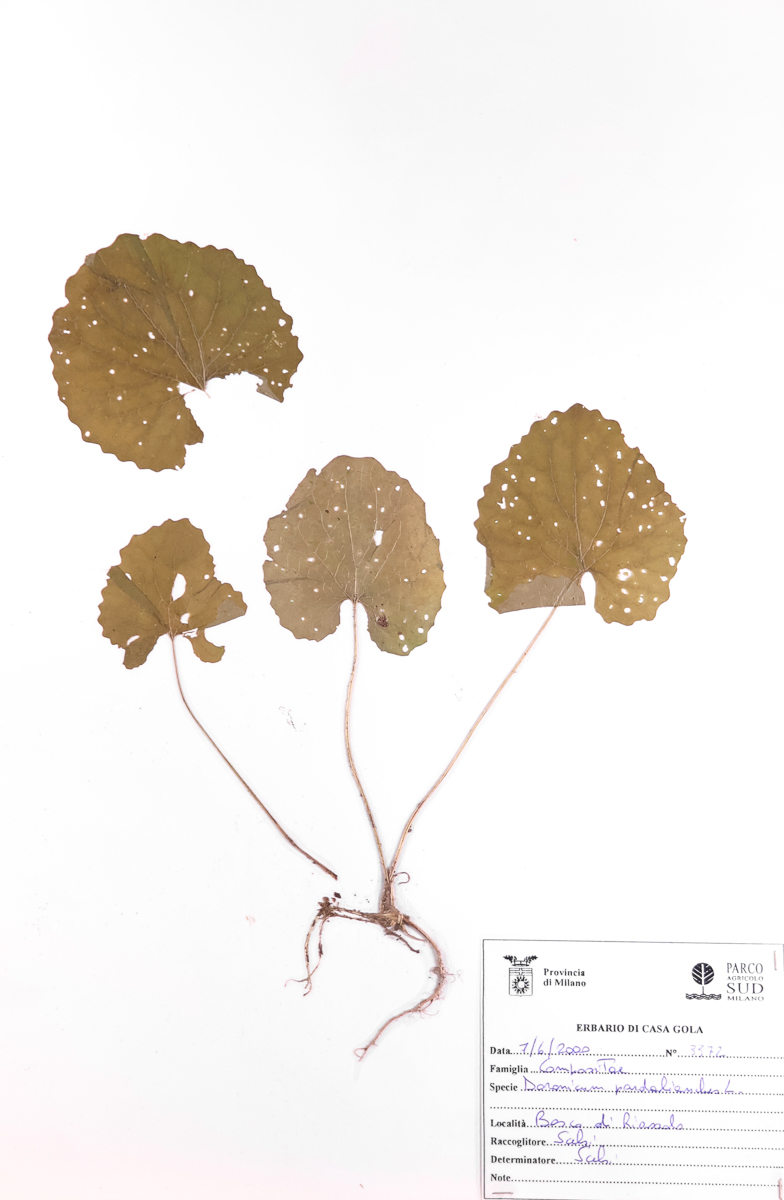
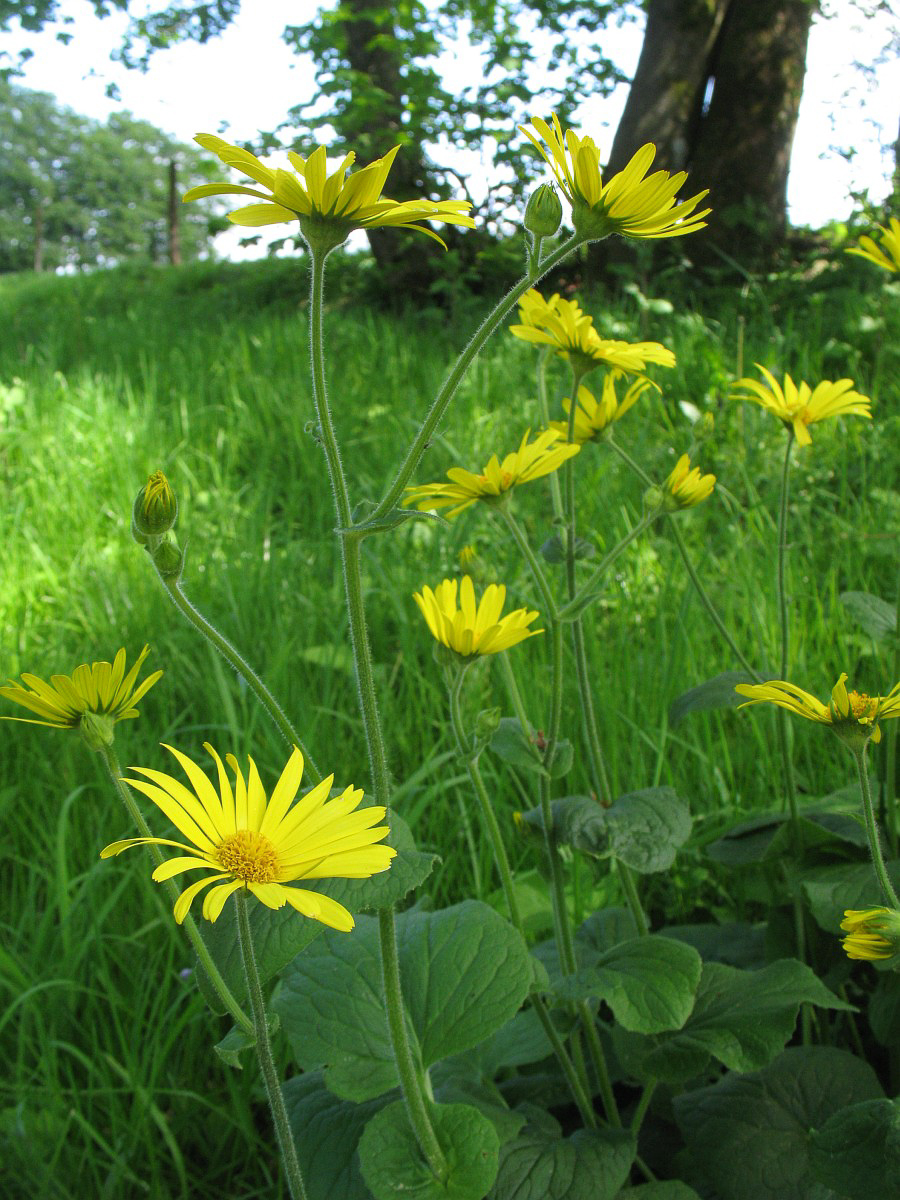
Habit and Size: Perennial herbaceous plant, 30-90 cm tall, with a swollen rhizome with slender stolons.
Stems: Erect stem, hollow and striated, branching in corymbose clusters.
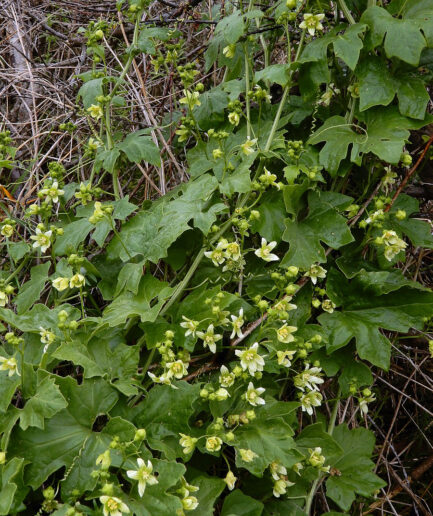
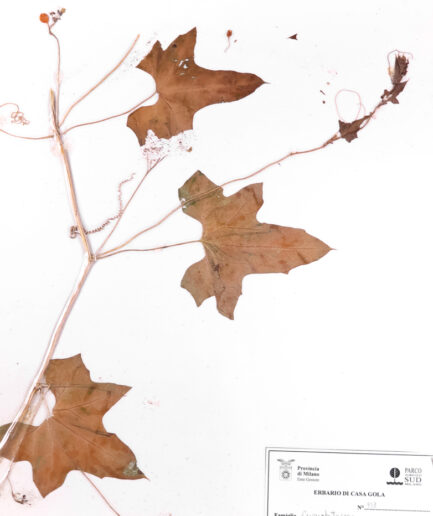
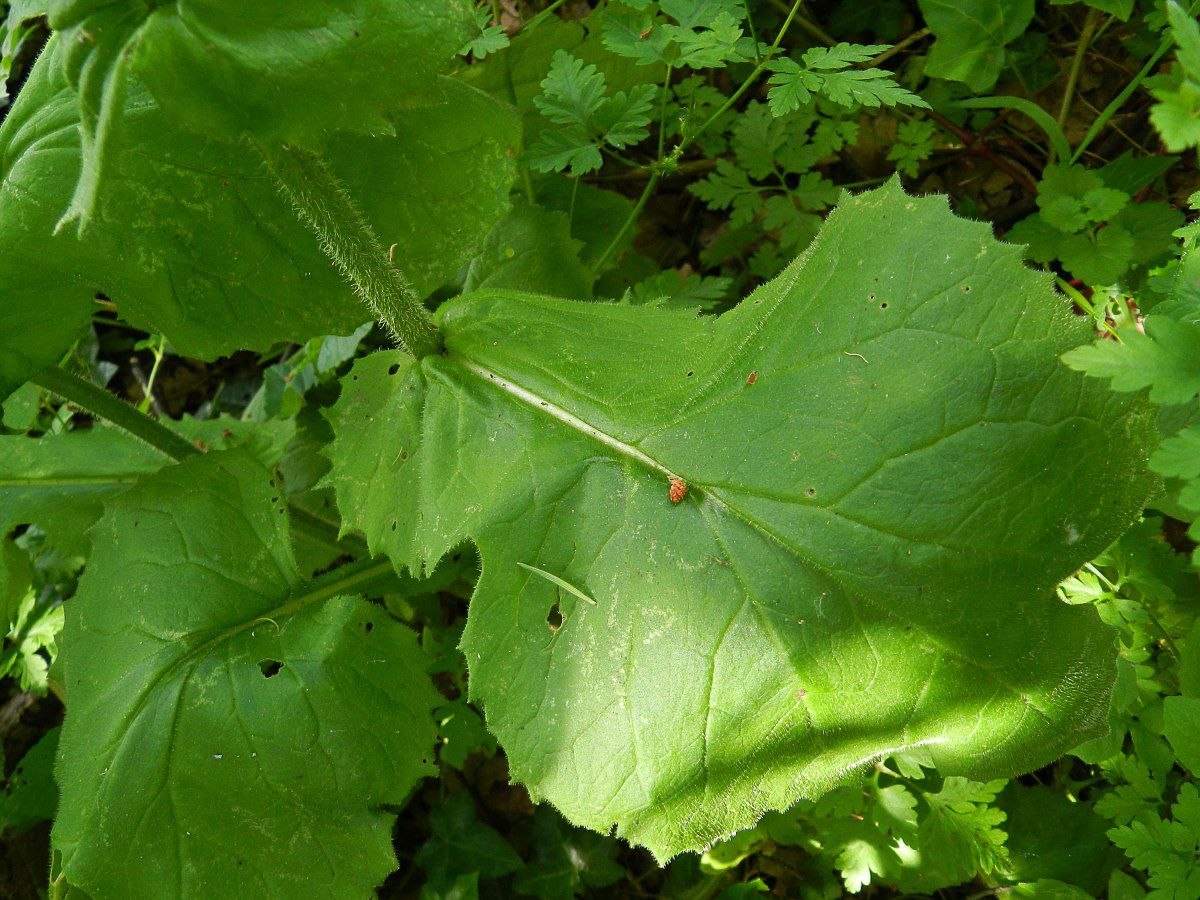
Leaves: Oval cordate leaves, basal ones up to 15 cm with a petiole of 10-30 cm, lower cauline leaves more or less panduriform, upper ones from cordate to lanceolate, sessile.
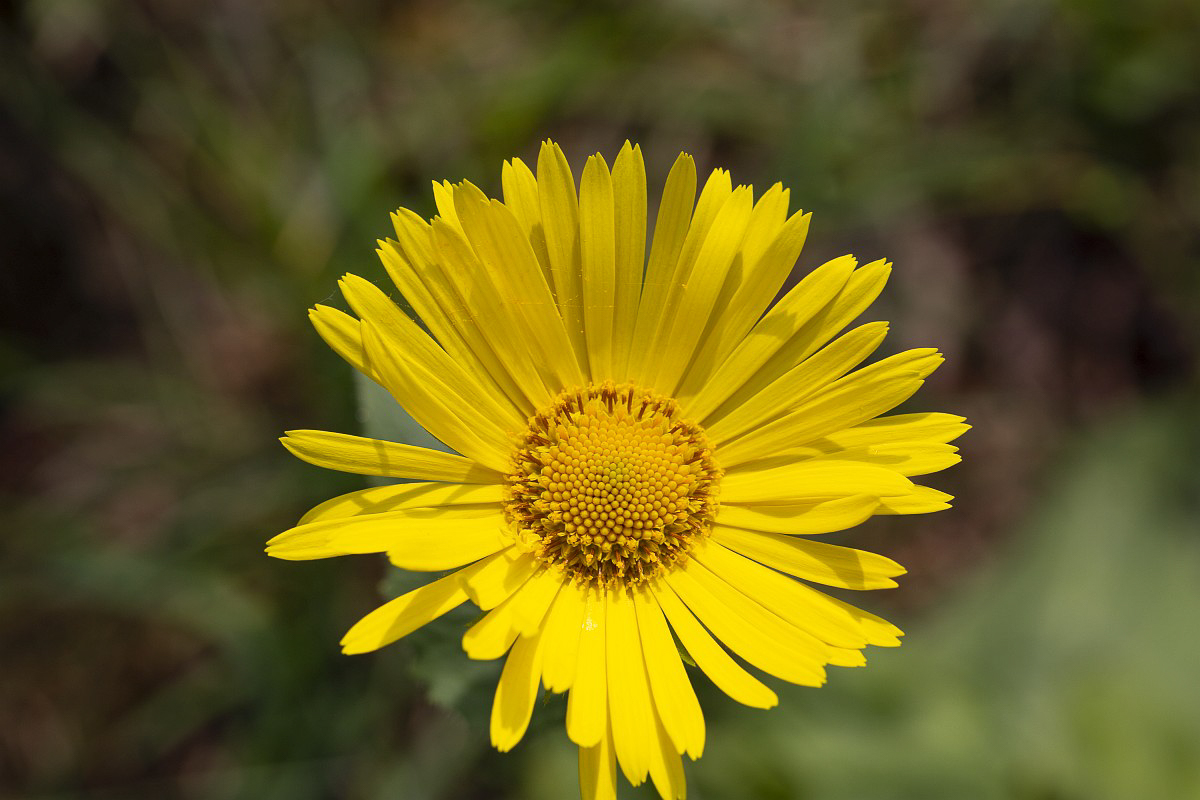
Flowers: Completely yellow flowers in irregular corymbs of 2 to 10 flower heads with a diameter of 3-5 cm. Flower head with disc florets and slightly widened scales almost to the apex; inner florets tubular hermaphrodites, outer florets ligulate females. Blooms from May to July.
Fruits and Seeds: The fruits are inner achenes with pappus, outer ones without pappus.
DISTRIBUTION AND HABITAT
Present from Tuscany upwards except for Val d’Aosta, Trentino Alto Adige, and Friuli. It grows in woods and gorges from sea level to 1,400 m.
USE
All species of the Doronicum genus possess medicinal principles still considered valid and were cultivated in the past in medicinal herb gardens. However, medicinal uses are particularly reserved for Doronicum pardalianches. The rhizome contains inulin, an essential oil, a bitter substance, traces of resin, and mineral salts. Preparations are used as antispasmodics, astringents, sedatives, tonics, and vulneraries. In particular, it is used for the treatment of nervous depression. Because of its vulnerary properties, it is indicated for the treatment of scorpion stings. Before taking any plant-based product (medicinal or non-medicinal) for therapeutic or similar purposes, it is always advisable to consult your doctor. Young leaves are used to flavor salads.
INTERESTING FATS
For a long time, Doronicum pardalianches was considered a poisonous species. Jacopo Antonio Cortusi, director of the Botanical Garden of Padua in the first half of the 1600s, claimed to have seen a dog die within a few hours after ingesting the plant. Moreover, the specific name itself would refer to such poisonous characteristics. Many other botanists, including Linnaeus himself, doubted its poisonous potential, which has since been completely refuted.
Photo: Under a free license by Saxifraga, Ed Stikvoort, Rutger Barendse.