


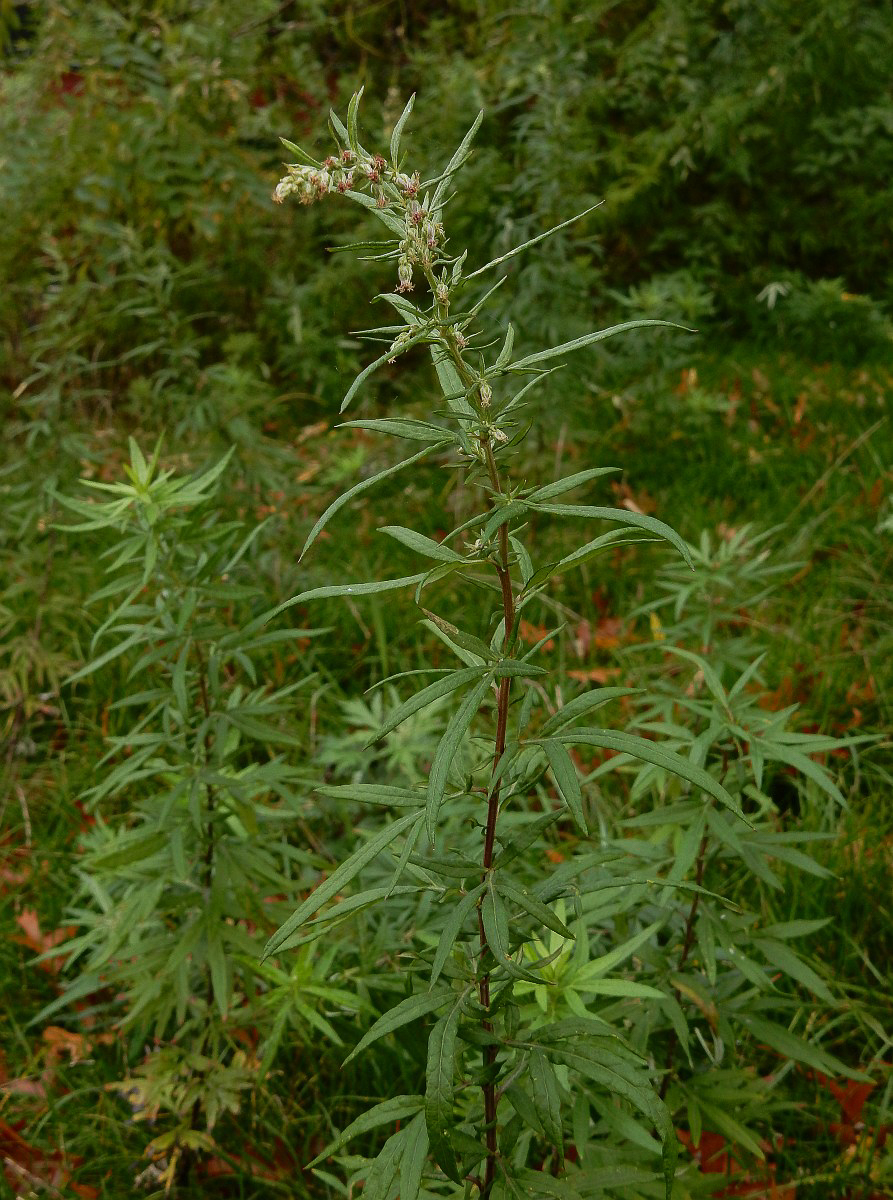
Verlot’s Wormwood
Scientific name: Artemisia verlotiorum Lamotte
Family: Asteraceae
MORPHOLOGY
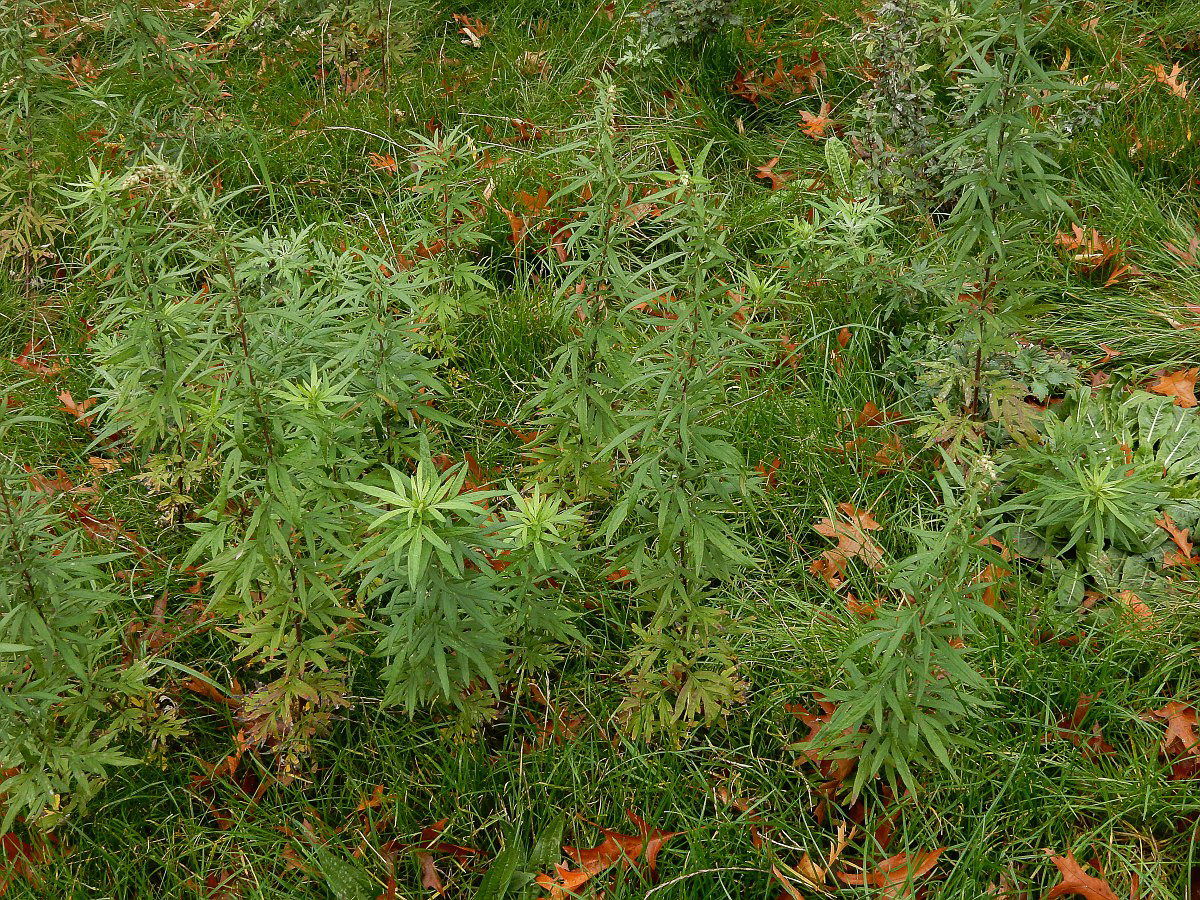
Growth habit and size: Perennial herbaceous, aromatic plant, with creeping roots, rhizomatous or with horizontal stolons (about 1 m long); height 40 – (150)200 cm.
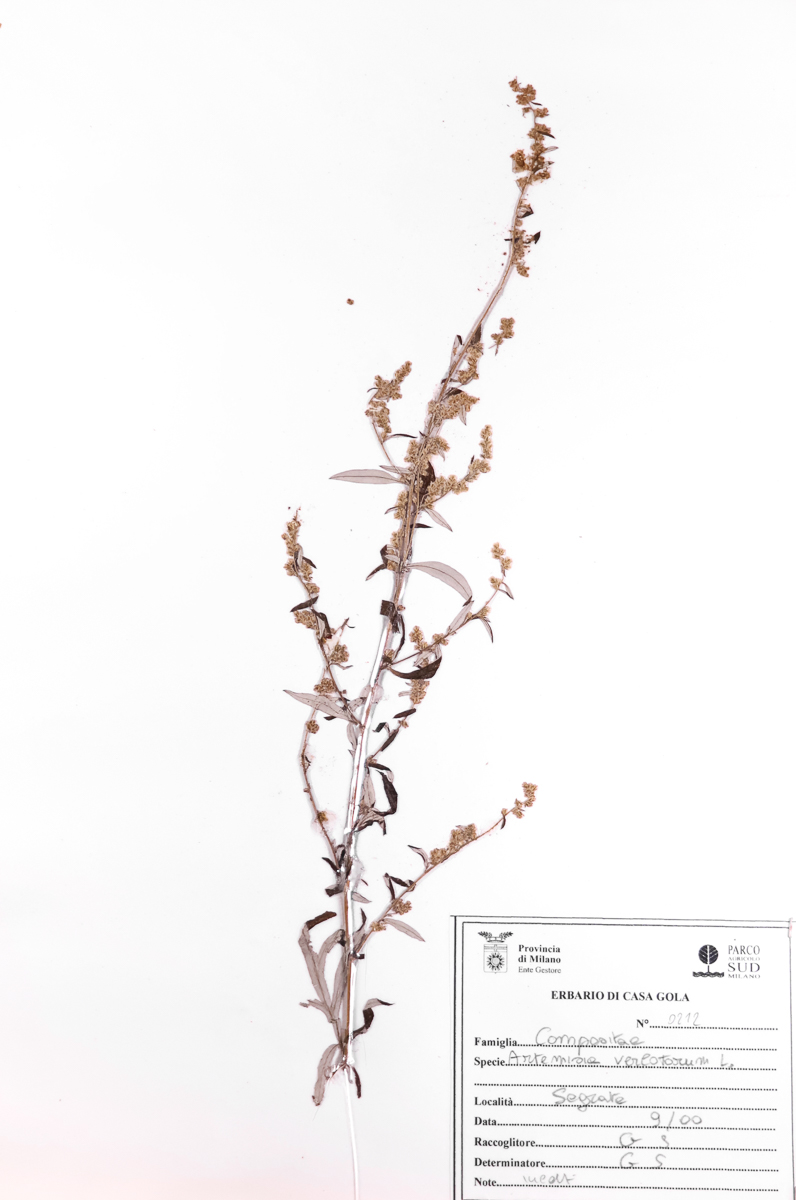
Stem: Erect, highly branched and streaked with red.Aggiungi immagini alla galleria prodotti
Leaves: 1-2 pinnately lobed leaves, dark green and glabrescent on the upper surface, tomentose and glandular on the lower surface; the upper leaves are divided into lanceolate, elongated and mostly entire lobes, more or less equal and with entire margins, 5-10 (-13) x 3-8 cm; the lower leaves have a short petiole, semi-clasping with 3-5 pairs of lanceolate or lanceolate-linear lobes.
Flowers: Inflorescence formed by dense pyramidal panicles of flower heads, called capitula, (simulating a single flower), tomentose, generally arranged unilaterally, in groups of 1-2-3, ± spherical or ovoid, subsessile, about 3 mm in diameter, with branches and axillary leaflets. The flowers are tubular with a long filamentous corolla 2-3 mm long and reddish in color. It blooms from September to November.
Fruits and seeds: The fruits are oblong-obovate achenes without pappus, brown, 0.5-0.8 mm.
DISTRIBUTION AND HABITAT
Invasive non-native species widespread throughout Italy. It is found in full sun in nitrogen-rich and humid soils disturbed by human activity (rural roads, embankments, abandoned industrial areas, riparian forests, riverbeds, and streams, etc.); from 0 to 600 m.
USES
The tops and roots are used as they contain active ingredients such as essential oil, camphor, borneol, vulgarol, carbides, flavonoids, lactones, inulin, and moderate amounts of thujone. Just like A. vulgaris, it was used in folk medicine as a digestive aid, as an antispasmodic, for digestive atony, and as a bitter tonic. It was historically cited by Dioscorides, Pliny, and Hippocrates for its recognized effects on female health, and for its healing effects on menstrual imbalances, which improved women’s receptive capacity. Before taking any plant-based product (medicinal or non-medicinal) for therapeutic or similar purposes, it is always advisable to consult a doctor.
INTERESTING FACTS
It is a highly invasive plant, capable of inhibiting the growth of local herbaceous plants. To eradicate it, the entire above-ground part must be removed, taking care not to break the stolons which would reproduce and reinvade the area. For this reason, it is included in the blacklists of weeds in many Italian regions. It is used as an insecticide when combined with pyrethrum. In popular belief, a small bunch of Artemisia collected on St. John’s Day was considered an amulet against the evil eye. It was also used to make pillows for sleeping, giving the ability to predict the future or provide important spiritual insights.
Photo: under a free license from Saxifraga, Ed Stikvoort, Branko Bakan